wayground logo

Free Printable Worksheets

NEW

Font size

S
M
L
XL
Worksheets

3rd Nine Weeks Test Review

Total questions: 65

Worksheet time: 58mins

Name
Class
Date
1.
What term means "toward the MIDLINE of the body?
a)
Medial 
b)
Lateral
c)
Intermediate
d)
Ipsilateral
2.
Which region is this?
a)
Axillary
b)
Antecubital
c)
Brachial
d)
Pelvic
3.
What region is this?
a)
Antecubital
b)
Buccal
c)
Brachial
d)
Femoral
4.
What region is this?
a)
Carpal
b)
Digital
c)
Femoral
d)
Oral
5.
What region is this?
a)
Carpal
b)
Cervical
c)
Brachial
d)
Orbital
6.
What region is this?
a)
Thoracic
b)
Sternal
c)
Pubic
d)
Fibular
7.
What region is this?
a)
Pelvic
b)
Patellar
c)
Femoral
d)
Fibular
8.
What region is this?
a)
Thoracic
b)
Sternal
c)
Pubic
d)
Pelvic
9.
If something is higher up on your arm or leg it is ______
a)
Proximal
b)
Distal
c)
Superficial
d)
Deep
10.
The buccal region is commonly called:
a)
chin
b)
cheek
c)
forehead
d)
ear
11.
Which type of section is this? 
a)
Coronal
b)
Sagittal 
c)
Transverse 
d)
Cesarean 
12.

Which type of section is this

a)

Coronal

b)

Sagittal

c)

Transverse

d)

Lateral

13.

Which cavity is your heart located in?

a)

Abdominal

b)

Thoracic

c)

Cranial

d)

Pelvic

14.
Which plane is pictured here?
a)
frontal
b)
sagittal
c)
transverse
d)
midsagittal
15.
Which plane is pictured here?
a)
frontal
b)
sagittal
c)
transverse
d)
midsagittal
16.
Which plane is pictured here?
a)
frontal
b)
sagittal
c)
transverse
d)
midsagittal
17.
Which region is #5 in this photo?
a)
epigastric
b)
umbilical
c)
hypogastric
d)
hypochondriac
18.
Which region is #2 in this photo?
a)
epigastric
b)
hypogastric
c)
left lumbar
d)
iliac
19.
Which region is #8 in this photo?
a)
epigastric
b)
hypogastric
c)
left lumbar
d)
left hypochondriac
20.
a)

smooth muscle

b)

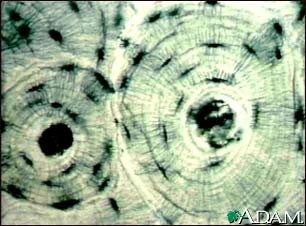
bone

c)

nerve

d)

blood

21.
Which type of muscle tissue would line the intestines?
a)
Smooth
b)
Cardiac
c)
Skeletal
d)
Transitional
22.
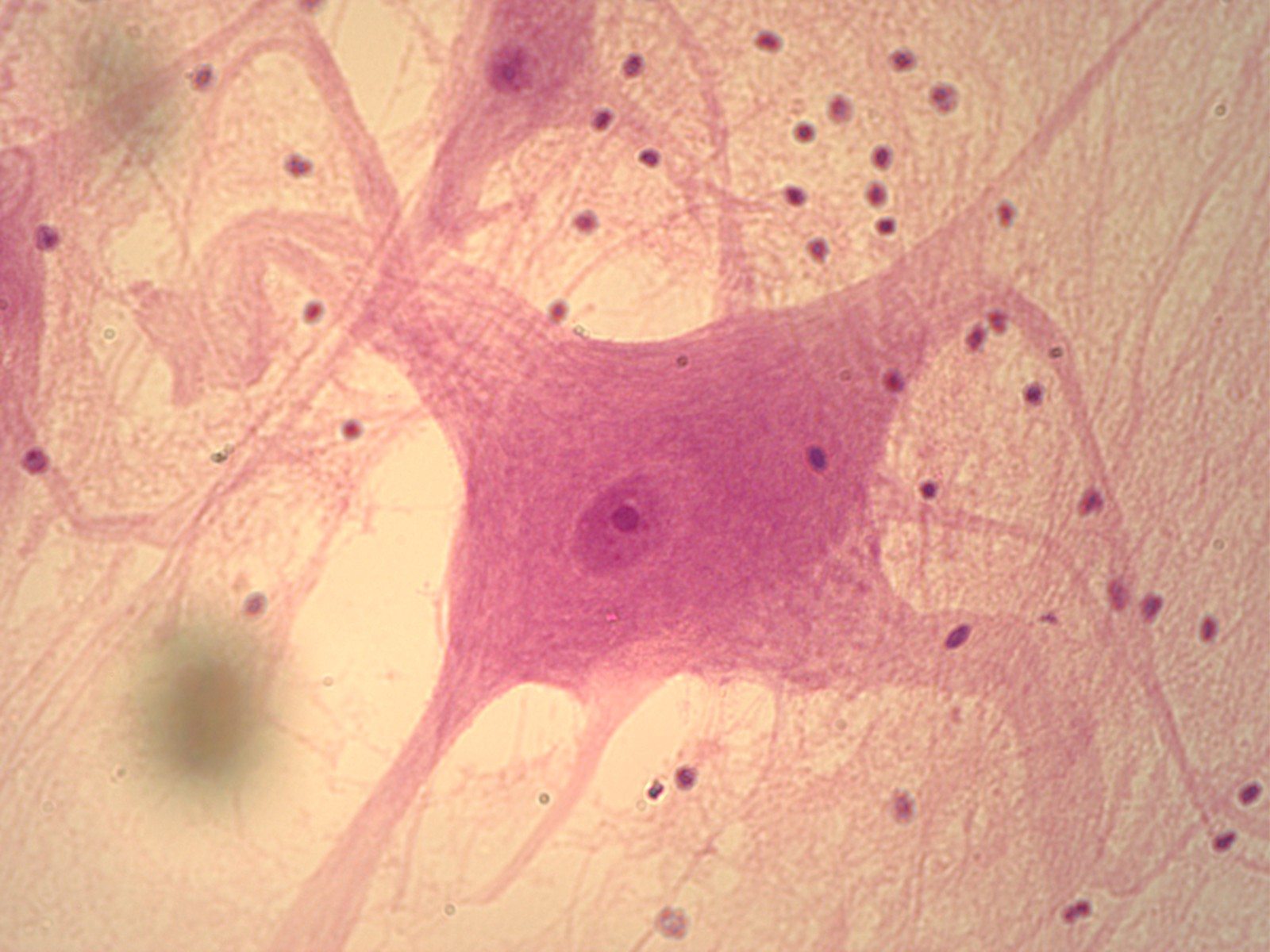
What tissue type is this?
a)
Nervous tissue
b)
Cardiac muscle
c)
Smooth muscle
d)
Connective tissue proper
23.
The muscle tissue shown is called ______.
a)
Skeletal
b)
Cardiac
c)
Smooth
24.

There are _____ types of muscle tissue.

a)

1

b)

2

c)

3

d)

4

25.

Which muscle type is subject to voluntary control?

a)

skeletal

b)

cardiac

c)

smooth

26.
What type of muscle is this?
a)
skeletal
b)
cardiac
c)
bone
d)
smooth
27.
This type of epithelial cells make up the lining of the kidney tubules, ducts of glands, and surface of ovaries?
a)
simple squamous epithelial
b)
simple cuboidal epithelial 
c)
simple columnar epitheial
d)
striated involuntary
28.
This type of muscle is responsible for the involuntary movements of the body's internal organs.
a)
Striated
b)
Skeletal 
c)
Cardiac
d)
Smooth
29.
Which of the following is the function of the epithelial tissue?
a)
Supports body parts
b)
Covers body parts
c)
Binds body parts together
d)
Forms the framework of organs
30.
This types of connective tissue connects bone to bone.
a)
Blood
b)
Ligament
c)
Cartilage
d)
Adipose
31.
This type of connective tissue protects the ends of our bones in out joints and is also found in other areas of the body.
a)
Cartilage
b)
Bone
c)
Adipose
d)
Blood
32.
This type of tissue is known for absorption, secretion and protection.
a)
Nervous
b)
Connective
c)
Epithelial
d)
Muscle
33.
How can smooth muscle be described?
a)
Striated involuntary
b)
Striated voluntary
c)
Nonstriated voluntary
d)
Nonstriated involuntary
34.

What is the scientific name of the 'jaw bone'?

a)

Maxilla

b)

Mandible

35.

An example of a saddle joint can be found in the thumb.

a)

True

b)

False

36.

A function of the skeletal system is to protect vital organs.

a)

True

b)

False

37.

Which of the following is NOT a bone area associated with the axial skeleton?

a)

pelvic girdles

b)

the skull

c)

rib cage

d)

vertebral column

38.

Which of the following is NOT a function of bones?

a)

hematopoiesis

b)

storage

c)

maintenance of body temperature

d)

protection

39.

What is the number of bones that compose the adult skeleton?

a)

205

b)

206

c)

208

d)

200

40.

The ends of a long bone are called the

a)

diaphysis

b)

epiphyses

c)

periosteum

d)

endosteum

41.

Bone forming cells:

a)

osteocytes

b)

osteoblasts

c)

osteoclasts

d)

osteomasts

42.

Bone destroying cells:

a)

osteocytes

b)

osteoblasts

c)

osteomasts

d)

osteoclasts

43.

Bone tissue composed of small needle-like pieces of bone with open spaces:

a)

lacunae

b)

compact bone

c)

canaliculi

d)

spongy bone

44.

What are the two bones in the lower leg?

a)

Femur and Ulna

b)

Fibula and Femur

c)

Tibia and Fibula

d)

Clavicle and Sternum

45.

What is the strongest bone in the body?

a)

Femur

b)

Clavicle

c)

Ulna

d)

Metacarpals

46.

What did you break if the doc says you broke your Metacarpals?

a)

Your foot

b)

Your toes

c)

Your mom's favorite bowl

d)

Your hand

47.

If you sprained your Lumbar Vertebrae, what did you sprain?

a)

your neck

b)

your upper back

c)

your lowest part of the spine

d)

your lower back

48.

What bone looks like a spatula or a pair of wings ?

a)

Ribs

b)

Sternum

c)

Metatarsals

d)

Scapula

49.

If your grandma broke her hip, what bone(s) would be broken?

a)

Pelvis and Femur

b)

Femur and Phlanges

c)

Tibia and Pelvis

d)

Thoracic vertebrae

50.

What muscle is the arrow pointing to?

a)

Biceps

b)

Triceps

c)

Lats

d)

Quads

51.

What muscle is the arrow pointing to?

a)

Pectoralis (Pecs)

b)

Biceps

c)

Triceps

d)

Lats

52.

These muscles that make up someone's "six pack" are really called what?

a)

extermal obliques

b)

gluteus maximus

c)

rectus abdominus

d)

gastrocnemius

53.
a)
Latissimius Dorsi
b)
Trapezius
c)
Triceps
d)
Erectors
54.
a)
Glutueal
b)
Hamstring
c)
Quadricep
d)
External Oblique
55.
a)
Trapezius
b)
Pectorals
c)
Sternocleidomastoid
d)
Quadricep
56.
Movement of a limb toward the body midline
a)
Abduction
b)
Flexion
c)
Adduction
d)
Pronation
57.
Movement of bone around its longitudinal axis (ball and socket joint)
a)
Circumduction
b)
Flexion
c)
Rotation
d)
Supination
58.
Flexion...
a)
Decreases angle of the joint
b)
Increases angle at the joint
c)
Moves limb away from midline
d)
Moves limb toward midline
59.
Moving a limb away from midline
a)
Pronation
b)
Abduction
c)
Adduction
d)
Flexion
60.

How many types of muscles are there?

a)

2

b)

4

c)

3

d)

1

61.

Muscles that oppose one another are

a)

synergist

b)

hateful

c)

prime movers

d)

antagonists

62.
How do pairs of skeletal muscles work together?
a)
while one contracts, the other returns to original length
b)
both muscles contract at the same time
c)
both muscles relax at the same time
d)
1 muscle pulls on the bone and the other pulls on the first muscle
63.
How many muscles do you have?
a)
206
b)
550-600
c)
700-800
d)
650-700
64.

Moveable attachment of a muscle:

a)

Teniosis

b)

Origin

c)

Insertion

d)

Eversion

65.

Attachment of a muscle that remains relatively fixed (does not move) during muscular contraction:

a)

Origin

b)

Dilator

c)

Insertion

d)

Dystonia