
 Worksheets
Senses Test
Total questions: 118
Worksheet time: 2hrs 58mins
“They are cells specialized in picking up stimulus, whether they are internal or external, and send them to the brain through the nervous system”. This is the definition of...
Stimulus
Receptor
Sense
Taste
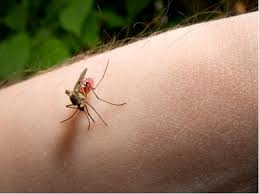
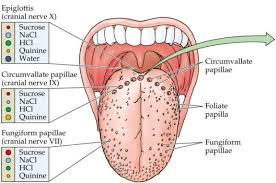
Which sense detects pressure and heat
sight
hearing
taste
touch
Why might you feel something touching you on your head quicker than on your foot.
The message from the head travels farther to the brain
the message from the foot travels farther to the brain
The head is less sensitive than the foot
The foot doesn't send messages to the brain
What type of stimuli does smell detect
light
vibration
pressure
chemical
What type of stimulus does taste detect
light
vibration
chemical
pressure
Anything that causes you to react is called
sound
response
stimulus
memory
Which two senses are directly connected?
Sight and touch
Taste and smell
Smell and sight
Hearing and taste
Chemoreceptors – respond to ________ .
heat
cold
pain
chemicals
light.
Thermoreceptors– respond to ________ .(more than one possible answer)
heat
cold
pain
chemicals
light.
Nociceptors– respond to ________ .
heat
cold
pain
chemicals
light.

What is the picture above?
Proprioceptors
Exteroceptors
Interceptors
pain cells
______________________ detect stimuli in the internal organs.
Proprioceptors
Exteroceptors
Interceptors
pain cells
______________________ sense the position and movements of the body or its parts.
Proprioceptors
Exteroceptors
Interceptors
pain cells
___________ is a discomfort caused by tissue injury or noxious stimulation, and typically leading to evasive action.
Taste
Smell
pain
Sound
______________ – a “meaty” taste produced by amino acids, the taste is best known from monosodium glutamate (MSG).
Smokey
MSG
Umami
Sour
Salty

OUR TONGUE IS THE ORGAN OF ...
SIGHT
SMELL
TASTE
HEARING

LOOK ATE THE PICTURE AND CHOOSE
OUR SKIN IS THE ORGAN OF TOUCH
OUR TOUCH IS THE ORGAN OF SKIN
OUR SKIN IS THE ORGAN OF TASTE
OUR EYES ARE THE ORGANS OF TOUCH

Senses that respond to chemicals in solution utilize which of the following:
Meissner's corpuscle
chemoreceptors
crista ampullaris
beta lactamase
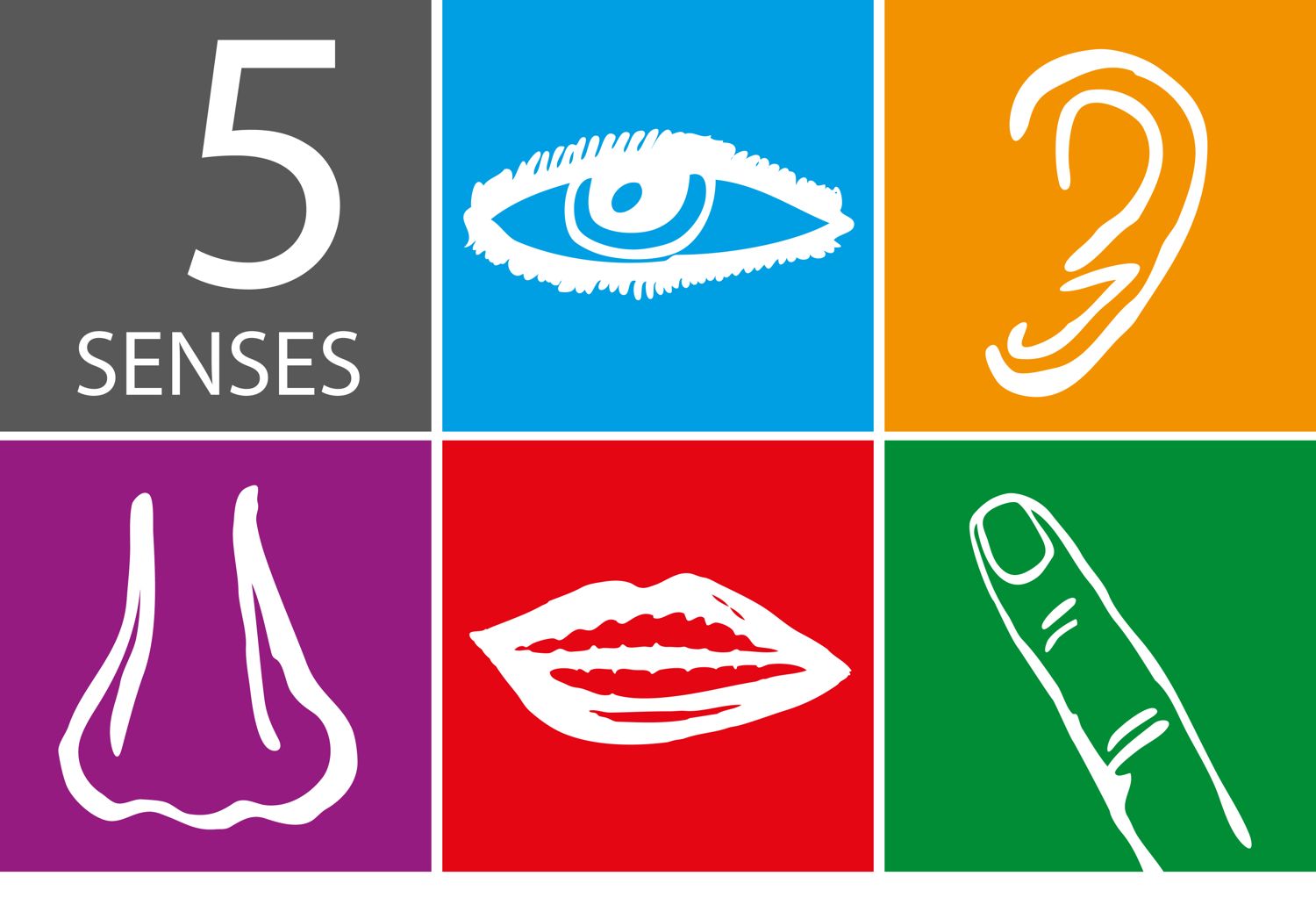
Which of the following senses are most closely related:
touch and smell
smell and taste
taste and hearing
hearing and smell

The nerves associated with smell are referred to as the:
olfactory receptor cells
smell cells
gustatory receptor cells
umami cells
NOT a primary taste sensation
bitter
salty
sweet
peppery
can detect the largest variety
taste buds
olfactory receptors
cones
rods
receptor of gustation; sweet, salty, sour, bitter, umami
cones
olfactory receptors
hair cells
taste buds
decline in the transmission of a sensory neuron when receptor is continuously stimulated; smell is rapid
accommodation
adaptation
anosmia
ageusia
The skin senses for which of the following?
Temperature
Pressure
Pain
Touch
The skin can sense all of these
What do you rely on to help you experience the world around you and to keep you safe?
air
sunlight
senses
none of the above
What do sense receptors do?
Send information to your brain so your body can take in information and respond appropriately.
Send information to your muscles so you can look strong
Send information to your stomach so you will know when you eat good food.
None of the above
What special sense receptors take in information about the temperature of the environment and inform your brain.
Your eyes
Your ears
Your skin
None of the above
Why do many of the people who cannot feel pain die as children?
They die because their brain is too small.
They die because they don't eat fruits and vegetables
They die because they didn't look before they crossed the street
They die from injuries or diseases
What part of the body processes pain?
skin
brain
memories
blood

The sense of ____________ is possible due to sensory receptors in our tongue.
sight
smell
touch
hearing
taste
A _______ is the specialized sensory receptor that processes chemicals.
photoreceptors
mechanoreceptors
thermoreceptors
chemoreceptors
What type of receptors use the eyes to detect light?
photoreceptors
videoreceptors
thermoreceptors
chemoreceptors
What type of receptors use the mouth and nose to detect molecules?
mechanoreceptors
chemoreceptors
photoreceptors
tacoreceptors
What type of receptors will detect the internal and external temperature of the body?
photoreceptors
mechanoreceptors
light receptors
thermoreceptors
Why do your skin and eyes have different types of receptors?
they respond to different speeds
they have the same input
they have different input
they have no receptors
How is the sense of smell related to memory?
There is no connection
Strong memories are associated with feelings that are stored in the brain near smells so they have a strong connection
Memories are built by smell receptors and stored there
Memories and smell use the same receptors
What type of sensory receptors detects touch, pressure and muscle movement?
photoreceptors
mechanoreceptors
chemoreceptors
thermoreceptors
The nerves associated with smell are referred to as the:
olfactory receptor cells
smell cells
gustatory receptor cells
umami cells
NOT a primary taste sensation
bitter
salty
sweet
peppery

What is number 4 ?
Cochlea
Auricle (pinna)
Malleus
incus

What is number 5 ?
Cochlea
Semicircular canals
auricle (pinna)
Stapes

What is number 6 ?
Cochlea
Tympanic membrane
vestibulocochlear nerve (cranial nerve VIII/eight )
Auricle

What is number 8 ?
Semicircular canals
Incus
Malleus
External auditory meatus and canal

What is number 9 ?
Stapes
Vestibule
Incus
Oval window

What is number 10 ?
Cochlea
Malleus
vestibulocochlear nerve ( cranial nerve VIII/eight)
stapes

What is number 11 ?
Oval window
Stapes
Incus
Tympanic membrane (ear drum)

What is number 12 ?
vestibulocochlear nerve (cranial nerve VIII/eight)
Cochlea
Malleus
Stapes

What are the ossicles of the ear ? (1,2,3 in order )
Malleus,incus,stapes (MISO)
Incus,vestibule,oval window

What does the eustachian/auditory/pharygnotympanic tube do ?
helps with balance and equilibrium
filters out ear wax
Equalizes pressure between the middle and outer ear

What part of the inner ear helps you keep your balance ?
Vestibule
the Ossicles (MISO)
Pinna
Semicircular canals
The malleus, incus, and stapes are collectively called the
maculae
vestibulocochlear nerves
semicircular canals
auditory ossicles

What part is #2?
Pinna
External Auditory (Ear) Canal
Ear Drum
Oval Window
What part is #3?
Pinna
Ear Canal
Tympanic membrane (Ear Drum)
Oval Window
What part is #6?
Semicircular Canals
Eustachian Tube
Cochlea
Oval Window
What part is #7?
Semicircular Canals
Eustachian Tube
Cochlea
Oval Window
What parts are #8?
Semicircular Canals
Vestibulocochlear Nerves
Ear Bones
Ossicles
What part is #9?
Semicircular Canals
Eustachian Tube
Cochlea
Oval Window
What part is #10?
Incus/Anvil
Malleus/Hammer
Cochlea/Snail Shell
Stapes/Stirrup
What part is #12?
Incus/Anvil
Malleus/Hammer
Cochlea/Snail Shell
Stapes/Stirrup
What part is #13?
Incus/Anvil
Malleus/Hammer
Cochlea/Snail Shell
Stapes/Stirrup
What part is #15?
Outer Ear
Middle Ear
Inner Ear
Sub Ear
What part is #16?
Outer Ear
Middle Ear
Inner Ear
Sub Ear
What part is #17?
Outer Ear
Middle Ear
Inner Ear
Sub Ear
Rods are light sensitive cells in the retina that
give you color vision in dim light
respond in dim light
give you color vision in bright light
respond in bright light
Cones are light sensitive cells in the retina that
give you color vision in bright light
respond in dim light
give you color vision in dim light
respond in bright light
The iris in a human can be
brown
green
blue
all of the above
The optic nerve transmits signals to the
temporal lobe
parietal lobe
occipital lobe
frontal lobe
The cornea
helps protect the eye
begins bending light to make an image
both of the above
none of the above
The pupil is located at the center of the
sclera
iris
retina
nothing
The blind spot is created by the
retina
optic nerve leaving the eye through the retina
nothing; we don't have one
What are the functions of eyelids and eyelashes
to protect and rehydrate the eyes
keep dirt out of the eyes
keep debris out of the eys
all of the above
The human eye is surrounded by how many muscles?
4
2
6
5



