
 Worksheets
Civics Midyear Review
Total questions: 88
Worksheet time: 1hrs 15mins
The idea that humans are born with rights, such as life, liberty, and property and that people create governments to protect those rights.
social contract
inalienable rights
natural rights
sovereign
An agreement among the people to set up a government and obey its laws.
social contract
natural rights
Magna Carta
English Bill of Rights
A condition in which no governments or laws existed at all. This is the basis of natural rights philosophy.
social contract
natural rights
oligarchy
state of nature
A period in European history(1700s) when people thought they should use reason to free themselves from ignorance and superstition in order to become enlightened.
The Renaissance
The Reformation
The Scientific Revolution
The Enlightenment
This English philosopher believed that absolute power could resolve problems.
Hobbes
Locke
Rousseau
Montesquieu
English philosopher who explained that people have natural rights and that the government is formed to protect those rights.
Hobbes
Locke
Rousseau
Montesquieu
A philosopher who believed that society threatened natural rights and freedoms.
Hobbes
Locke
Rousseau
Montesquieu
He believed that if the government is not fulfilling their duty then citizens have the obligation to rebel.
Hobbes
Locke
Rousseau
Montesquieu
This French philosopher believed that the best form of government had separation of executive, legislative, and judicial powers.
Hobbes
Locke
Rousseau
Montesquieu
He believed in a system of checks & balances within a government.
Hobbes
Locke
Rousseau
Montesquieu
Citizens are involved with the day-to-day work of governing the country and participate in lawmaking or acts
democracy
direct democracy
representative democracy
oligarchy
A government where citizens elect leaders to represent their rights and interests in government
republic
direct democracy
representative democracy
anarchy
A document in England that granted certain civil rights and liberties to English Nobles.
English Boll of Rights
Mayflower Compact
Habeas Corpus Act
Magna Carta
When the Pilgrims were blown off course and created and agreed to create a new government and to follow its rule
Mayflower Compact
Social Contract
Magna Carta
English Bill of Rigths
This document expanded the rights of the English Parliament and the people, while limiting the power of the king.
Magna Carta
Social Contract
Cato's Letters
English Bill of Rights
The British legislature that consists of two houses: the House of Commons representing the people and the House of Lords, representing the nobility.
Congress
Parliament
Supreme Court
Buckingham Palace
What is the name of the act that the British passed as punishment for the Boston Tea Party, which closed the port of Boston until damages from the Boston Tea Party were paid?
The Quartering Act
The Stamp Act
The Townshend Act
The Intolerable/ Coercive Acts
What did the Writs of Assistance under the Townshend Act do?
Taxed goods like glass and paint
Created a committee to review taxes
Allowed the British to search for smuggling without evidence
Allowed the British to arrest Colonist without due cause
The primary reason the Iroquois formed a confederacy was to
improve trade
hunt more efficiently
promote peace
improve travel
The main job of the Great Council was to
organize religious festivials
decide the guilt or innocence of an accused person
make laws for the confederacy
perform marriage ceremonies

When making a decision, a chief's most important consideration was
the Great Law of Peace
the wishes of the clan mother
the will of his nation's people
the needs of future generations
Which was a difference between the Constitution and the Articles of Confederation
The constitution gave the federal government the power to collect taxes.
The constitution provided for the direct election of the president by voters
The constitution made the amendment process more difficult
The constitution increased the power of the states.
Which statement would an Anti-Federalist most strongly support?
Ending slavery in the Western territories
Acquisition of lands from France and Spain
Sharing of power between the federal and state governments
Limitations placed on the power of state governments
What does the Executive Branch do?
Makes laws
Enforces laws
Interprets the law
Studies the law
What are the qualifications to become President?
at least 35 years old
at least 40 years old
natural born citizen
live in U.S. 14 years
live in U.S. 16 years
What are the executive branch's checks on the legislative branch?
Appoint Judges
Suggest laws
Veto bills
Federal Pardon
Declare war
What is the electoral college?
An esteemed college that is hard to get accepted to
Method of indirectly voting for the President
A college only for those who get elected in our country
Method of directly voting for the President
To reject a bill that has been passed
impeach
veto
cabinet
electoral college
to bring to trial a public official accused of committing a crime or engaging in misconduct while in office
impeach
pocket veto
veto
cabinet
What were the first two political parties?
Federalist
Democratic - Republican
Republican
Whig
The federal government can do whatever is “necessary and proper” to fulfill their job description for the good of the people
Loose interpretation of the US Constitution
Strict interpretation of the US Constitution
Strong interpretation of the US Constitution
Weak interpretation of the US Constitution
Federalist believed in all of the following EXCEPT
a strong central government
an economy based on manufacturing and industry
importance of supporting the British
a strict interpretation of the Constitution
Why was the electoral college created?
To protect small states
To limit tyranny with majority rule
To protect large states
To create a republic
What determines the number of electoral votes per state?
number of representatives in Congress
number of representatives in the House of Representatives
Population size after each census
Number decided by each states Constitution
How many electoral votes are needed in order to win the presidency?
270
200
538
271
Can you win the presidency without the popular vote?
true
false
What are the diplomatic powers of the president?
Represents the US internationally
Approves treaties
Appoints ambassadors
Declares wars
What are the judicial powers the president has?
appoints Supreme Court judges
can pardon
can declare a law unconstitutional
can appoint circuit court judges
Who created the first cabinet?
Washington
Jefferson
Adams
Hamilton
What is the Secretary of State is responsible for?
planning and carrying out the nation's foreign policy
managing the armed forces
supervising trade and US business
directs the overall energy plan for the nation
What is the Secretary of Defense is responsible for?
planning and carrying out the nation's foreign policy
managing the armed forces
Directs services for armed forces veterans
manages America's defenses against terrorist attacks
The Attorney General does all of the following EXCEPT:
Responsible for the Justice Department
Chief legal counsel to the President
Prosecutes cases involving the US government
Declares laws unconstitutional
Powers specifically given to Congress in the Constitution; including the power to collect taxes, coin money, regulate foreign and interstate commerce, and declare war.
enumerated powers
filibuster
writ of habeas corpus
bicameral legislature
Congress may make all laws that shall be necessary and proper for carrying out the other powers that the Constitution grants Congress
writ of habeas corpus
General Welfare clause
Necessary and Proper Clause
impeach
proposed law being considered by a lawmaking body
bill
political party
filibuster
impeach
the presiding officer of the House of Representatives
President pro tempore
Minority leader
Speaker of the House
Vice President
the official who presides over the Senate in the vice president's absence
President pro tempore
Speaker of the House
Vice President
Minority leader
people represented by members of a lawmaking body
political parties
Speaker of the House
constituents
President pro tempore
How many members are in the House of Representatives?
100
400
435
235
Congress may override a presidential veto with a
a. majority vote.
b. three-quarters vote.
c. two-thirds vote.
d. unanimous vote.
What do we call it when Congress stretches it powers to meet new needs?
a. Ex Post Facto Laws
b. Impeach
c. Bill of Attainder
d. Elastic Clause
Which of the following is not a power of congress?
a. Declare War
b. Negotiate Peace Treaties
c. Coin and print money
d. Maintain the Army
The term for an HOR representative is how long?
2
4
6
What are 3 qualifications in House?
30 years, citizen for 9 years, and reside in state
25 years, citizen for 7 years, and reside in state
20 years, citizen for 7 years, and reside in the US
25 years, citizen for 14 years, and reside in US
How long is the term for a US Senator?
2
4
6
How many Senators does each state get?
2
4
6

What is the next step in the lawmaking process after a bill goes to committee?
The President signs the bill
The bill is sent to the Senate
The bill is sent to a conference committee
The bill is debated on the floor of the house

Where can a bill be filibustered?
The White House
The House of Representatives
The Senate
The Wild West

What can the President once he/she receives a bill from Congress?
Sign it
Veto it
Ignore it
Edit it
What is necessary for a pocket veto to occur?
The president ignores the bill
Congress is not in session
President vetoes the bill
President signs the bill
Which court case established Judicial Review?
Plessy v. Ferguson
In re Gault
Tinker v. Des Moines
Marbury v. Madison
Which of the following was the focus of Plessy v. Ferguson?
Due process rights
Freedom of speech
Judicial Review
Separate but equal
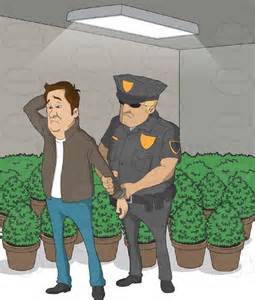
Suspects cannot be questioned (interrogated) until they are informed of their rights (right to remain silent, right to an attorney, etc.)
Brown v Board of Education
Miranda v Arizona
Tinker v Des Moines
Bush v Gore

