
 Worksheets
Animal reproduction
Total questions: 100
Worksheet time: 1hrs 17mins

What type of reproduction requires only one parent?
internal
external
asexual
sexual
Fertilization can occur ___________the female's body.
only inside
only outside
both inside and outside
only in animals
Female cells (or gametes) are called __________?
sperm
pollen
eggs
seeds
In which animal does the fertilized egg develop outside the mother's body?
whales
eagles
foxes
rattlesnakes

Which part of reproduction does this picture show?
fertilization
egg
embryo
offspring
A benefit of internal fertilization would be that
there is the ability to produce far more offspring
the mother has to use less energy to produce offspring
there is less competition for mates
offspring are better protected during early development
In internal fertilization, fertilization occurs
inside of a protective capsule, like a cocoon.
inside the mother's body.
outside the mother's body.
it varies species to species
An example of an organism that exhibits external fertilization would be a(n)
elephant
parrot
frog
snail
How is reproduction classified?
Internal and external
Metamorphosis
Two parents
Asexual and sexual?
External fertilization usually occurs in _________ so that the egg and sperm cells do not dry out.
fertilization
internal
water
dry areas
An immature form of an animal that looks different from the adult is called ___________________.
polyp
larva
medusa
cnidarian

In plant reproduction, fertilization occurs when the male and female sex cells form ______________.
a sprout
a seed
a petal
a clone

Wind, water, animal fur, & prickly burrs can all facilitate what process?
asexual reproduction
seed dispersal
behavior
adaptations

Flowering plants reproduce...
Sexually
Asexually
Sexual reproduction results in
Genetically unique offspring
Genetically identical offspring

What is the NAME of the animal that LAYS EGGS?
Herbivore
Carnivore
Oviparous
Viviparous

What is the NAME of the animal that GIVES BIRTH and DRINKS MILK?
Herbivore
Carnivore
Oviparous
Viviparous

We have all seen bees fly around flowers. When a bee drinks nectar from one flower they sometimes brush up against the stamen. When they go to another flower, they can drop some pollen on the pistil. What process are the bees helping with?
pollination
germination
fertilization
seed dispersal
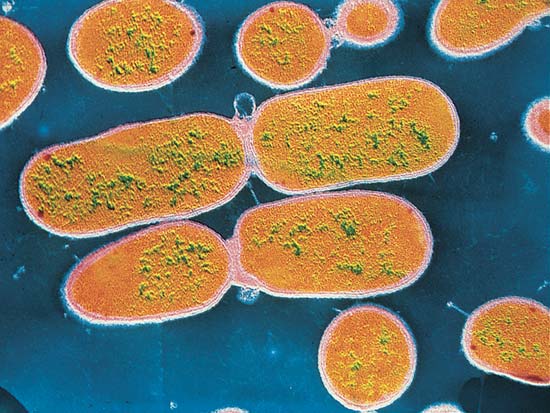


A labradoodle is a type of dog that is crossed between a labradoor retriever and a poodle. The labradoodle puppy takes on the traits of both of its parents. Female dogs have a pregnancy period of almost 70 days.
Which of the following statements is true about the fertilization process in flowers?
The ovule which is in the ovary is fertilized by the pollen
The pollen grain contains the female reproductive cell
Fertilization takes place before Pollination
The pollen has to come from a different plant
Why do male peacocks have brightly colored feathers?
The feathers will keep away the peahens (because the peahens are afraid of the brightly colored feathers.
The feathers are used to help the peacock hunt for food. The male peacocks' feathers attract different types of insects.
They are competing for mates. The females will be attracted to the male peacocks with the biggest and brightest tail feathers.
They are competing for food. The males with the most colorful feathers will catch the most of the food such as small mammals, reptiles, small snakes, ants, millipedes, crickets, termites, centipedes, locust and scorpions.
What kind of animal would one associate with metamorphosis?
Lions
Deer
Butterfly
Snakes
What type of fertilization do all mammals use?
external fertilization
internal fertilization
pollination
hibernation
Where do placental mammals develop as embryos?
uterus
testes
eggs
ovaries
What does a parent do to keep an egg warm?
hibernate
gestate
dance
incubate
Why are flowers colorful?
It helps photosynthesis
To attract pollenators
Natural camouflage
To regulate temperature
What type of seed dispersal carries lightweight seeds with feathery or wing-like structures?
Wind
Water
Fire
Self-Dispersal
Having or consisting of many cells.
organism
cell
unicellular
multicellular
stimulus
Consisting of a single cell.
organism
cell
unicellular
multicellular
stimulus
Choose the animals that are viviparous
mammals
birds
reptiles
amphibians
fish
REPTILES are...
invertebrates and oviparous
vertebrates and viviparous
vertebrates and oviparous
invertebrates and viviparous
Internal fertilization does not occur in
human
dog
fish
cow
Fertilization results into formation of
egg
zygote
sperm
individual
Which one is not an oviparous animal?
human
crow
hen
crocodile
The transformation of the larva into an adult through drastic changes is called
Metaphase
Metastasis
Meteorite
Metamorphosis
Fertilization is external in:
Fish and amphians
Birds and fish
Amphibians and birds
Reptiles and fish
What is the first life stage of a bird?
an adult
a newborn
an egg
a youth
Which animal undergoes complete metamorphosis?
a human
a frog
a grasshopper
a tiger
Which is NOT a phase in incomplete metamorphosis?
egg
nymph
adult
larva
Which animal does not hatch from an egg?
a human
a sea turtle
a fish
an eagle

Why are shorea seeds able to be dispersed by the wind?
It is light and has wing-like structure
It has hooks to hook onto the fur of animals
It has a fibrous husk that makes it float
It has dry pods that split open

Why are bur seeds able to be dispersed by animals?
It is light and has wing-like structure
It has hooks to hook onto the fur of animals
It has a fibrous husk that makes it float
It has dry pods that split open
Why it is better for seeds to be scattered far and wide?
To provide shelter to other animals.
For farmers to see which soil is good for the plants.
For plants to have a better chance of growing healthier.
a part of a plant's or animal's body.
Structure
Habitat
Reproduction
Growth
the process of getting bigger
Bio
Bark
Growth
Organism
Hen is odd one out of human, cow, dog, hen because
It undergo internal fertilization
It is oviparous
It is viviparous
It undergo external fertilization
Animals having external fertilization usually produce large number of gametes because
Animals are small in size and want to produce more offspring
Food is available in plenty of water
To ensure better chance of fertilization
Water promotes production of large number of gametes
Aquatic animals in which fertilization takes place in water are called
Viviparous without fertilization
Oviparous with External fertilization
Viviparous with external fertilization
Oviparous with internal fertilization
Metamorphosis occur in
Human
Cow
Dog
Frog
What is a life cycle?
a stage in an insect life cycle between egg and adult.
a developing animal before it is born or hatched.
the stages in the life of a living thing.
the stage in the insect life cycle between larva and adult.
select the order of the butterfly life cycle
adult, larva, pupa, egg
egg, larva, pupa, adult
larva, egg, adult, pupa
egg, adult, pupa, larva
select the order of the frog life cycle
egg, froglet, tadpole, adult
froglet, tadpole, egg, adult
tadpole, egg, adult, froglet
egg, tadpole, froglet, adult
What does metamorphosis mean?
to change or transform
a fully grown organism that can reproduce
to shed an outer skeleton or skin
the stages in an organism's life from birth to death.
How are frog and butterfly life cycles the same
the both have pupas
they both have froglet
they both grow legs
they both start with the egg stage
A caterpillar will eat and store food for the next stage of its life. What stage comes after the caterpillar in a butterly's life cycle?
Pupa
Adult butterfly
Eggs
Caterpillars
Which of these animals must go through stages before they resemble their parents?
Fox
Butterfly
Hippo
Dog
Which insect goes through complete metamorphosis?


The life cycle is
Be Born, Grow, Reproduce, Die
Grow, Die, Reproduce, Be Born
Be Born, Die, Reproduce, Grow
Die, Grow, Reproduce, Be Born

Which animals start their lives as eggs?
chickens, frogs, and butterflies
frogs, guinea pigs and ants
ants, butterflies and cats
chickens, ants and dogs

Shedding the outer covering of skin
heredity
molting
life cycle
direct development
Chickens go through metamorphosis
True
False

What life cycle stage is present in complete metamorphosis but not in incomplete metamorphosis?
Nymph
larva
adult
egg
Which describes a characteristic of nymphs in incomplete metamorphosis?—
Nymphs molt their exoskeletons as they grow.
Nymphs reproduce to make more of their kind.
Nymphs protect the egg and hold it together
Nymphs do not eat or move

