
 Worksheets
Human Body Systems Review
Total questions: 103
Worksheet time: 2hrs 54mins


The main organ of the nervous system.
spinal cord
nerves
neuron
brain
Without the Nervous System, you couldn't...
walk
breathe
think
all of the above

What are the senses that the nervous system receives messages from? (mark all that apply)
Vision
Hearing
Smell
Taste
Touch
How can you keep the nervous system healthy?
Make healthful food choices
Drink plenty of water
Get plenty of sleep
All of the above

What is a group of cells that are alike and work together?
a cell team
a tissue
a cell family

A group of tissues that work together is a(n) ______________________.
cell
organ
organ system

Organs that work together are part of a(n) ________________________.
cells
tissue
organ system

Muscle tissue is made of ...
muscle cells
skin tissue
stem cells

A specialized cell .........
can't reproduce
has a specific role to fill
no specific function in the bod

When similar cells group together it is called a tissue
true
false

This muscle tissue is only found in the heart.
Skeletal
Smooth
Cardiac
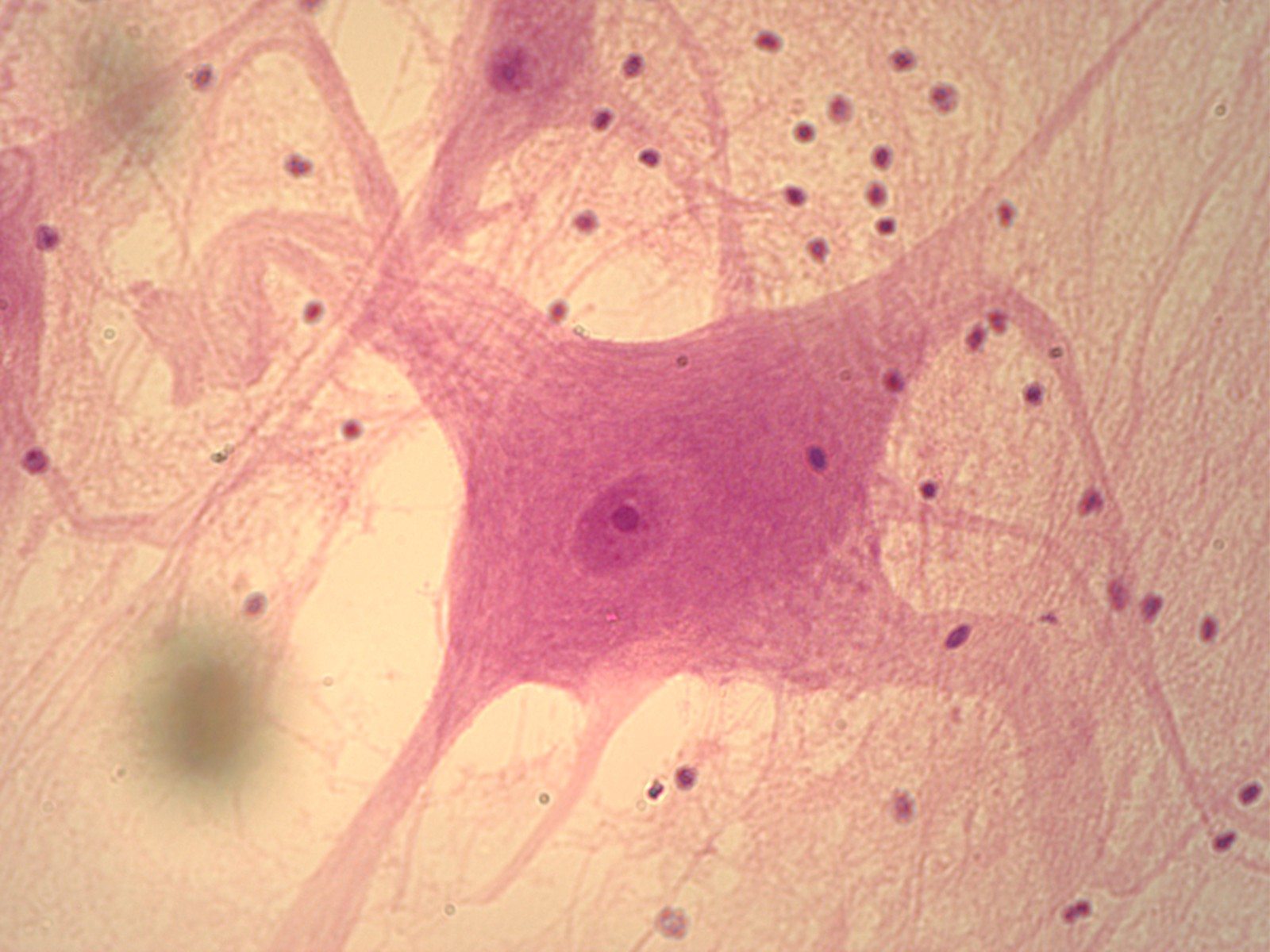
Nervous tissue transmits information throughout the body to and from the brain and is made of ........
Muscle cells
Bone cells
Neuron cells
Reproductive cells

What do epithelial cells make?
skin organ
connective tissue
blood tissue
epithelial tissue

The stomach consists of what type of muscle that allows the stomach to contract and move food?
Smooth muscle
Skeletal muscle
Cardiac muscle

Which of the following tissues is made up of cells that contract to move substances through the body and help the body move?
Epithelial
Connective
Muscle

organ systems make up.....
Tissues
Organs
Organ systems
organisms

What is the correct order of organization?
organelles -> cells->tissue->organs->organ systems-> organism
tissue->cells->organelles ->organs->organ systems-> organism
organs->organ systems-> organism->cells->tissue- organelles
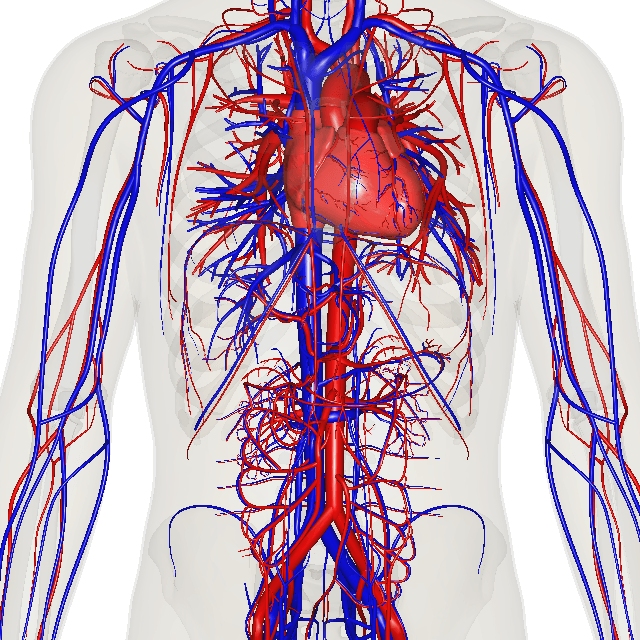
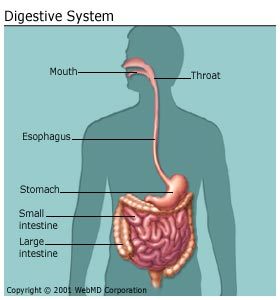
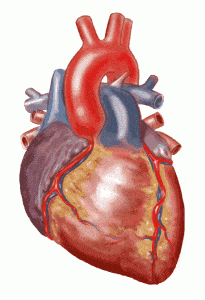

Which of the following is the LARGEST and MOST complex level of organization in the body?
Cell
Organ
Tissue
Organ system
organism

Which figure is a tissue?
1
2
3
4

Use this diagram of living systems to answer this question. Which figure is 4?
an organism
a cell group
a tissue system
an organ system

Which of the following is the correct sequence of organizational structure for living things?
organelle, cell, tissue, organ, organ system, organism
organism, tissue, cell, organ system, organ
cell, tissue, organ system, organ, organism


What is a group of cells that have similar functions? Examples include nervous, epithelial, muscle, and connective _________ .
cells
tissues
organs
atoms

Which type of tissue carries electrical signals through neurons?
epithelial
connective
muscular
nervous

Which type of tissue contracts to cause movement?
epithelial
connective
muscular
nervous
The top layer of the skin is called the ---
dermis
oil gland
subcutaneous fat
epidermis
____ is the coloring in skin and is found in the epidermis.
Melanin
Oil
Perspiration
Pores
What is the name of tube that hair grows from?
Follicle
Root
Sebaceous
Which layer contains accessory structures such as sweat glands, sebaceous glands, and hair follicles?
epidermis
dermis
subcutaneous fat
hyperdermis
What causes acne?
clogged sebaceous glands
chocolate
peanut butter
salty foods
Sweating and shivering are your body's way of regulating its ---
Water loss
Temperature
Hair growth
Vitamin D absorption
The integumentary system is made up of the ---
Skin, Muscle, and Bone
Hair, Nails, and Sweat
Nails, Hair, and Skin
3 layers of tissue
What type of cells and tissue make up skin?
muscle
bone
epithelial
epidermis
Tiny openings at the skin’s surface are called ---
epidermis
pores
dermis
oil gland
How many types of Muscles are there in the body?
2
1
3

Which type of Muscles are under are conscious control? This means we instruct them to perform
Skeletal/Voluntary Muscle
Smooth/Involentary
Cardiac Muscle

These muscles work automatically without us doing any work.
Skeletal/ Voluntary
Smooth/Involuntary
Cardiac
What is muscle atrophy?
When the muscle decreases in size
When the muscle increases in size
When the muscle cramps
This muscle is an involuntary muscle and moves on it's own.
Heart
Bicep
Hamstring
What are the main functions of the skeleton?
A) protection
b) Body shape
C) movement
ALL of these
The bone marrow makes
_______________________ cells.
blood
cancer
large
normal
No movement would occur without the muscular and skeletal system.
True
False
What is the main function of the skeletal system?
clean the body
support the body
deliver nutrients to the body
Which two systems work together to help a person stand up straight?
skeletal and muscular
skeletal and digestive
skeletal and respiratory
skeletal and cardiovascular

What is true about skeletal muscles?
They are not under your control
They are involuntary
They move food through the body
They are voluntary

Your body is always keeping its environment balanced for you to survive. What is this called?
Balostasis
Envirostasis
Sameostasis
Homeostasis

Which bones protect your spinal cord?
Skull
Ribs
Vertebrae
Humerus

What transports oxygen-rich blood AWAY from the heart.
Arteries
Veins
The job of the heart is to . . .
pump blood around the body.
send food to the small intestines.
break down food.
give energy to the body.
The heart is about the size and shape of your . . .
head
fist
foot

What are the smallest blood vessels that blood to and from tissues?
Arteries
Veins
Capillaries
The Circulatory System works very closely with the ___________ System to provide our body with oxygen gas and to take away CO2.
Respiratory
Digestive
Muscular
Skeletal

The Circulatory System works with the __________ system to obtain energy from nutrients that we eat.
Respiratory
Digestive
Skeletal
Nervous
Select 3 functions of the circulatory system.
deliver O2 and nutrients to cells
transport CO2 and wastes from cells
break down food into glucose
transport other materials through body
arteries, veins, and capillaries are three types of __________
heart valves
blood vessels
cells

What is made in bone marrow?
veins
nutrients
red blood cells
gasses

Our heart is.....
a tissue
a body system
a group of cells
an organ
Select the 3 structures that are part of the cardiovascular (circulatory) system?
veins
large intestine
arteries
heart

Which of the following is another name for the circulatory system?
Respiratory System
Endocrine System
Integumentary System
Cardiovascular System
What transports oxygen-poor blood BACK to the heart.
Arteries
Veins
What kind of tissue in the heart pumps blood throughout the body?
fatty tissue
muscle tissue
connective tissue
nervous tissue
Which three body systems allow you to move?
muscular, skeletal, digestive
nervous, respiratory, digestive
nervous, muscular, skeletal
Muscular, skeletal, circulatory

