
 Worksheets
1st Semester Final Review #2
Total questions: 100
Worksheet time: 50mins
Match the description to the graph:
"The car is stopped."


Match the description to the graph:
"The car is traveling at a constant speed."
Match the description to the graph:
"The speed of the car is decreasing."
Match the description to the graph:
"The speed of the car is decreasing."

Which runner won the race?
Albert
Bob
Charlie
Which runner stopped for a rest?
Albert
Bob
Charlie
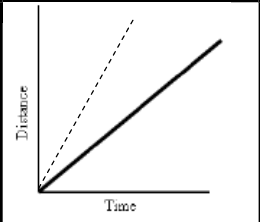
What does this graph represent?
Constant motion
Acceleration/ speeding up
Stationary motion
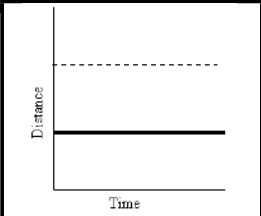

What is happening at C?
Stationary
Accelerating
Constant motion

What is happening at A?
Stationary
Accelerating
Constant

What was occurring from point B to point C?

Describe the motion in the graph:
Constant Speed (positive slope)
Stopped (at rest)
Acceleration (increasing speed)
Return Home (negative slope)

In this graph, a bus is:
moving
standing still (stationary)
speeding up (accelerating)
slowing down (decelerating)

In this graph,
the bus is gradually speeding up (accelerating).
the line is not curved.
the bus is gradually slowing down (decelerating).
none of the above.

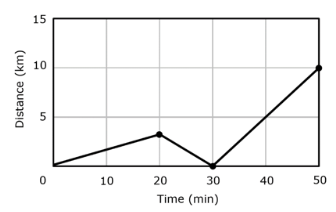
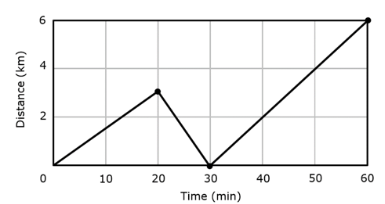
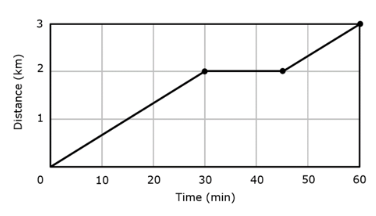
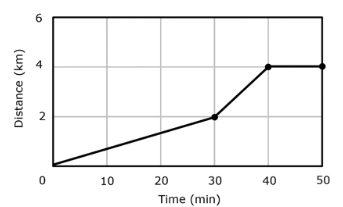
A student walks 2.0 km in a time of 30 minutes. The student then stop for 15 minutes to eat a snack then travels 1.0 km in 15 minutes.
Which graph shows the journey described?

Anne cycles from Bristol to Salisbury.
The diagram shows the distance-time graph of her journey.
What is Anne's speed for the first two hours of her journey?
40 mph
30 mph
20 mph
10 mph
A student travels 2 km in 30 minutes. The student then travels another 2 km in only 10 minutes. After that, the student rests.
A girl rides her bike 3 km in 20 minutes. She then returns home in only 10 minutes to get her lunch. She then travels 10 km in only 20 minutes.
Bruno sprinted down the hallway for a science project. He ran a total of 40 meters in 20 seconds. What was his average speed?
2 meters per second
20 meters per second
40 meters per second
10 meters for second
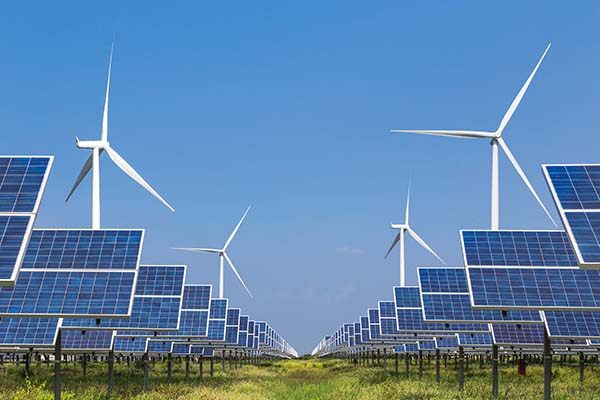
What are renewable resources?
A limited amount and cannot be replaced in a human life time.
Plastic bags
Coal, oil, and natural gas
Can be replaced in our lifetime through natural processes
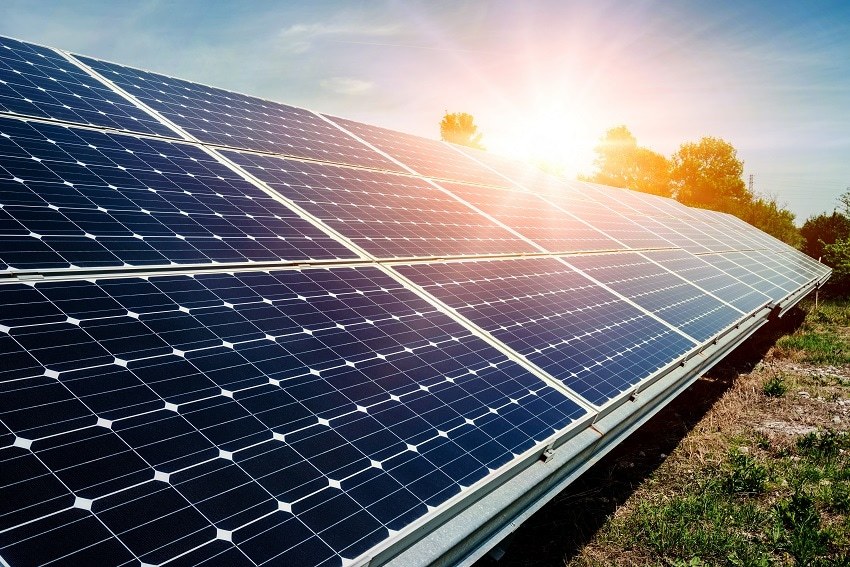
Sunlight is...
Very bright
Will eventually run out soon
A renewable resource
A nonrenewable resource
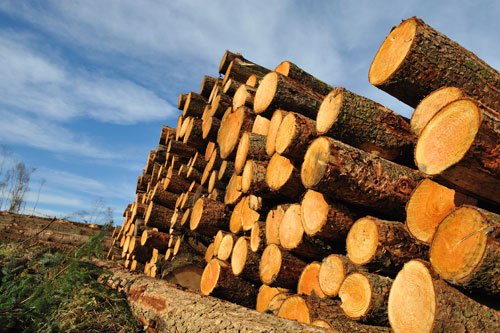
Wood is...
A renewable resource
A nonrenewable resource
Used to make oil
Used to make plastic
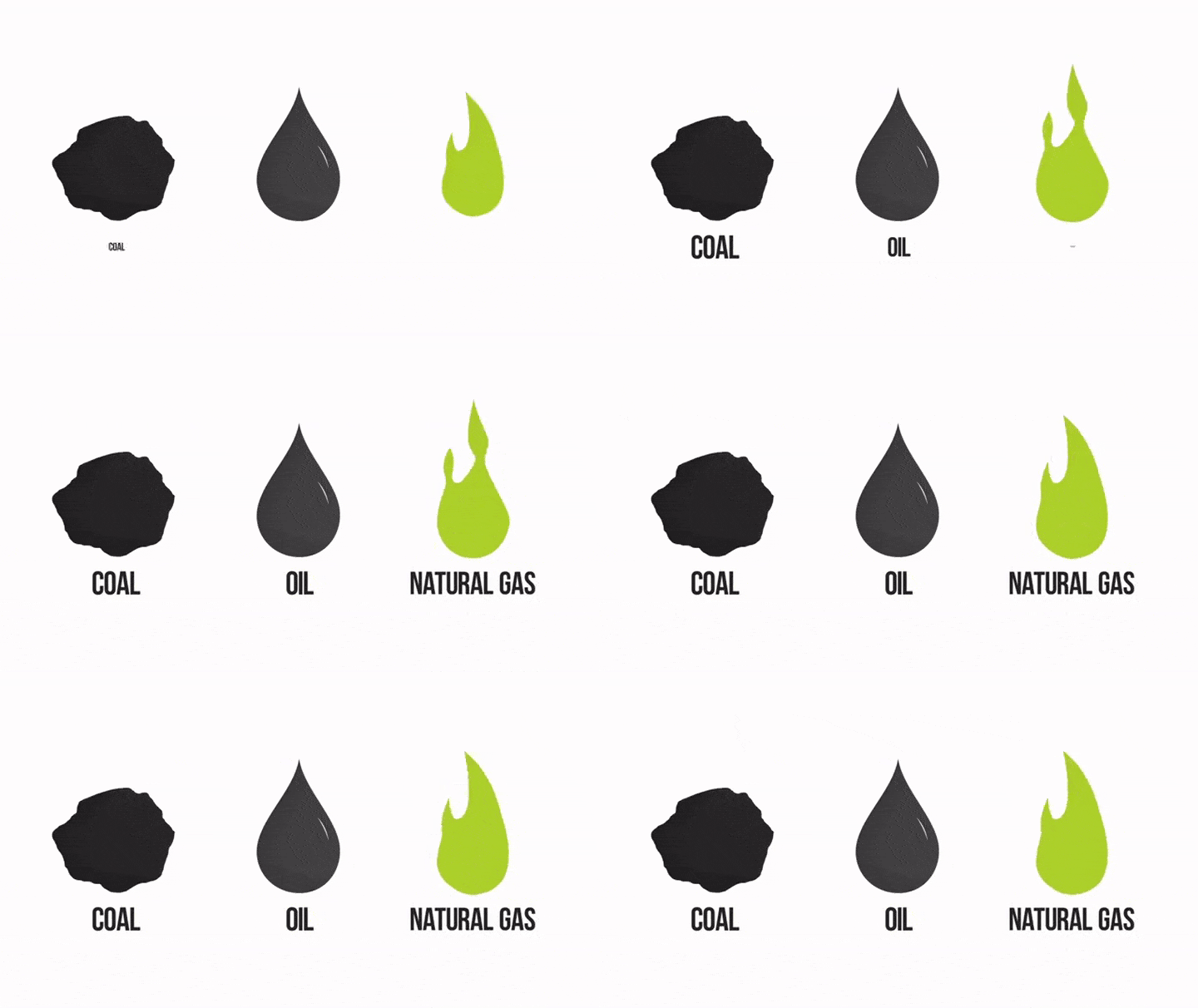
A group of non-renewable resources, called ______________, include coal, oil, and natural gas.
Fossils
Energy
Resources
Fossil fuels
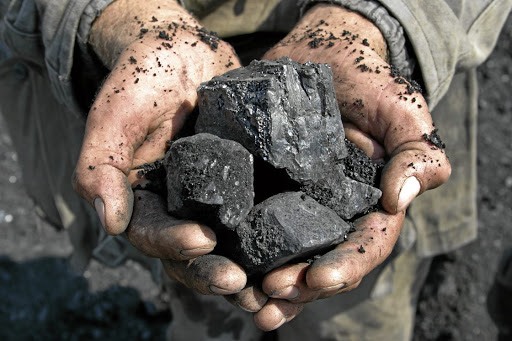
Coal comes from...
from animals that died millions of years ago.
from plants that died millions of years ago.
A factory
Burning fossil fuels
Oil is used to make...
gasoline & other types of fuel
plastics, DVDs, and tires
Energy
All of the above

Gasoline and plastic are made from...
Plants
Minerals
Oil
Minerals
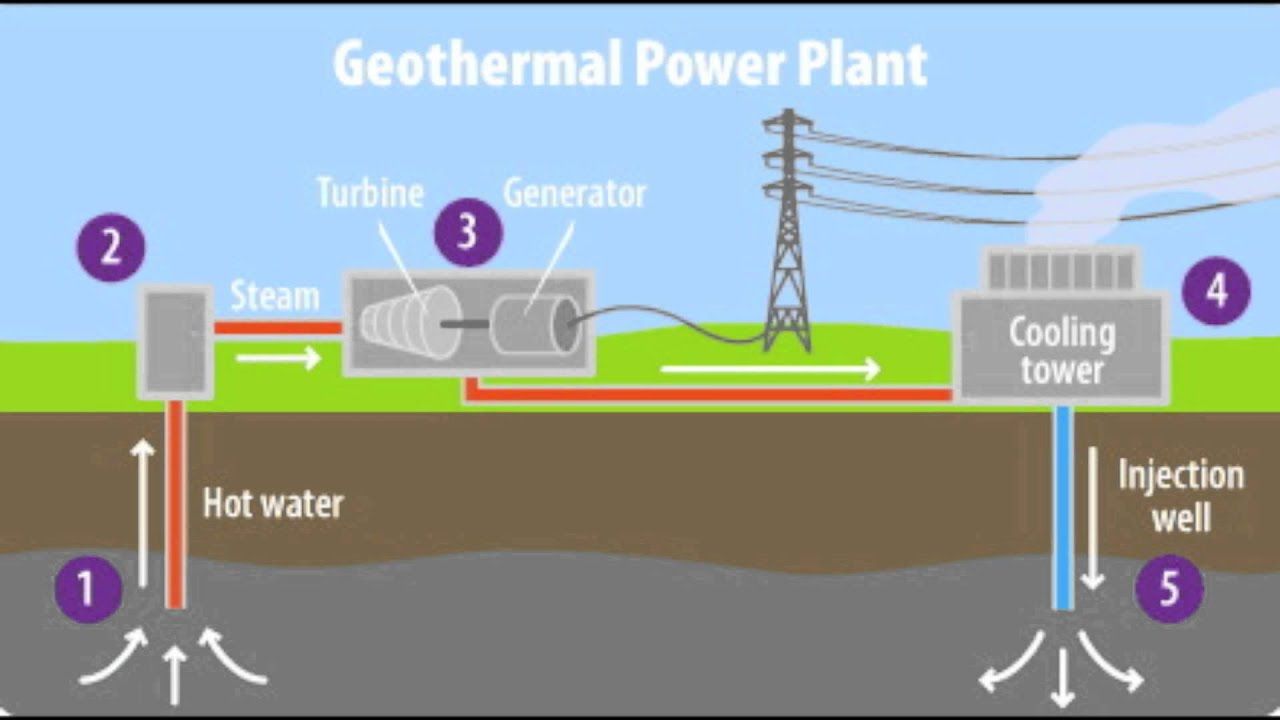
What is geothermal energy?
A power plant.
Heat energy generated and stored in the Earth.
Nuclear Energy
A nonrenewable resource
What is geothermal energy?
A power plant.
Heat energy generated and stored in the Earth.
Nuclear Energy
A nonrenewable resource

Define Biomass energy:
Energy created from plants and animal waste
Energy created by tides and dams
Uses oil
Energy that is made by moving air
Wind
Solar
Oil
Coal
Energy that comes from the sun
Wind
Solar
Renewable energy
Efficient
A flammable liquid made from organic matter buried under layers of sediments for millions of years.
Natural Gas
Coal
Oil
Solar
Energy that cannot be replaced in our lifetime
Nonrenewable Energy
Renewable Energy
Geothermal
Alternative Energy
A flammable material made from organic material buried under layers of sediment found near oil deposits
Solar
Natural Gas
Hydroelectric
Conservation
Energy that is made from the power of moving water
Hydroelectric
Coal
Biomass
Wind
Energy that is made from heat inside Earth
Coal
Fossil Fuels
Geothermal
Solar
Fuels such as coal, oil, and natural gas that were formed over millions of years from decayed plants and animals. This process requires time, pressure, and heat.
Fossil Fuels
Renewable Resources
Replenish
Geothermal
To use wisely to prevent waste; save
Conservation
Renewable Energy
Solar
Hydroelectric
Plant materials or animal waste used as fuel
Coal
Geothermal
Wind
Biomass

Can scratch 8, but is scratched by 10. What am I?
Topaz
Corundrum
Diamond

Can Scratch 1, but gets scratched by 3. What am I?
Talc
Gypsum
Fluorite

Bigger Numbers on the Mohs Scale scratch the lower numbers.
True
False
If a mineral can SCRATCH another one, it is -
harder than the mineral
weaker than the mineral
the same mineral

Diamond is the hardest mineral.
True
False
Which of the following represents an element?
H2O
NaCl
H2
CaCO3
Which of the following is not a compound?
HCl
NaCl
Cl
CO2
Salt has a chemical formula of NaCl. Salt is a...
Compound
Mixture
Element
None of the Above
An element is made up of only one kind of _____.
isotope
atom
plastic
metal

What is the SYMBOL for this element?
CA
cA
ca
Ca

What is the NAME of this element?
Sn
118.711
Tin
50


One way to tell how many elements a compound has is to..
the the square root of the total number of lettersThis is a wrong answer the the square root of the total number of letters
count the capital letters
add up all the numbers
count the letters

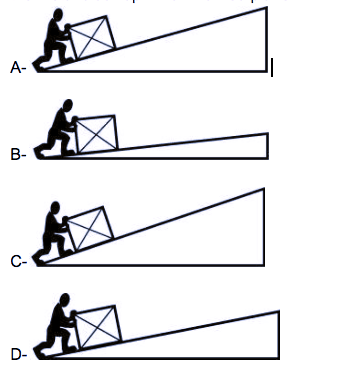
Is a staircase an inclined plane?
Yes
No

How does distance change the effort when using an inclined plane?
as distance increases, effort decreases
as distance decreases, effort decreases
as distance increases, effort increases
nothing, they both stay the same
Why is an inclined plane an example of a simple machine?
because it is a machine
because it makes work harder
because it makes the work easier
because it sounds cool

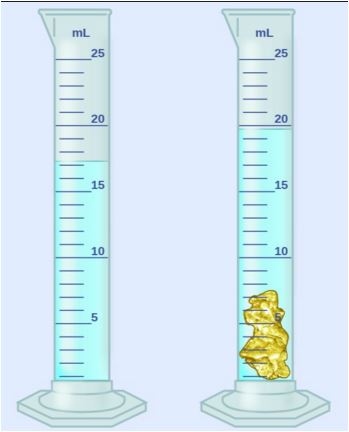
As part of a classifying elements lab Joe was finding the density of different samples. One sample had a mass of 26.4 and a volume of 12 mL. What element is it?
Sulfur
Carbon
Boron
Krypton




What is the average speed for the first 2 hours?
15 km/hr
60 km/hr
25 km/hr
10 km/hr

Which are ADVANTAGES of Solar Energy?
Does not create pollution after installing and lasts for many years.
Can use all the time and lasts for many years
No pollution after installing and able to use all the time
Earth provides solar energy continuously

What are DISADVANTAGES of Solar Energy?
Creates pollution and destroys rivers
Cannot be installed onto a house, and does not work all the time
Destroys oceans and cannot use all the time
Cannot use all the time, and the electricity created is expensive

Which are ADVANTAGES of Wind Energy?
Does not create pollution after installing and lasts for many years.
Can use all the time and lasts for many years
No pollution after installing and able to use all the time
Earth provides solar energy continuously

What are DISADVANTAGES of Geothermal Energy?
Creates pollution and destroys rivers
Cannot be easily installed onto house, and does not work all the time
Can only build in specific areas to use this type of energy
Wind energy can create too much energy and create power surges

Which are ADVANTAGES of Hydroelectric Energy?
Does not create pollution and can be used all of the time.
Can used sometimes and lasts for many years
Only needs the thermal energy from water to be powered
The sun provides hydroelectric energy continuously

What are DISADVANTAGES of Hydroelectric Energy?
Creates pollution and destroys rivers
Cannot be easily installed onto house, and does not work all the time
River/Water ecosystems can be destroyed to create dams and can cause droughts
Wind energy can create too much energy and create power surges

What is the BEST definition for Nuclear Energy?
Energy from recently living plant and animal materials
Fuels that come from very old life forms that decomposed over a long period of time.
Energy created from splitting Uranium atoms
Energy captured from the areas heated by the Earth like hot springs and volcanoes

What are DISADVANTAGES of Nuclear energy?
Creates pollution when burning
Most people are not currently using this type of energy resource
Creates radioactive waste and plants have the risk of nuclear meltdowns.
We are not able to develop better/more reliable energy than nuclear energy

What is the BEST definition for Biomass/Biofuel?
Energy from recently living plant and animal materials
Fuels that come from very old life forms that decomposed over a long period of time.
Energy created from splitting Uranium atoms
Energy captured from the areas heated by the Earth like hot springs and volcanoes
Which resource below is a nonrenewable resource?
fossil fuels
solar
wind
biomass
Which nonrenewable resource below is not considered a fossil fuel?
uranium
coal
oil
natural gas
Of the fossil fuels, which causes the least pollution when burning?
natural gas
coal
oil
uranium
Of the fossil fuels, which causes the least pollution when burning?
natural gas
coal
oil
uranium

