
 Worksheets
Non-renewable resources
Total questions: 101
Worksheet time: 55mins

Which of the following is Non-Renewable energy resource?
coal
wind
solar
A resource that, once used, can't be replaced in a reasonable amount of time.
renewable resources
replaceable resources
non renewable resources
What are fossil fuels?
coal, oil, uranium
oil, natural gas, uranium
coal, oil, natural gas
Which of these is non renewable
natural gas
water in a dam
solar power
wind energy
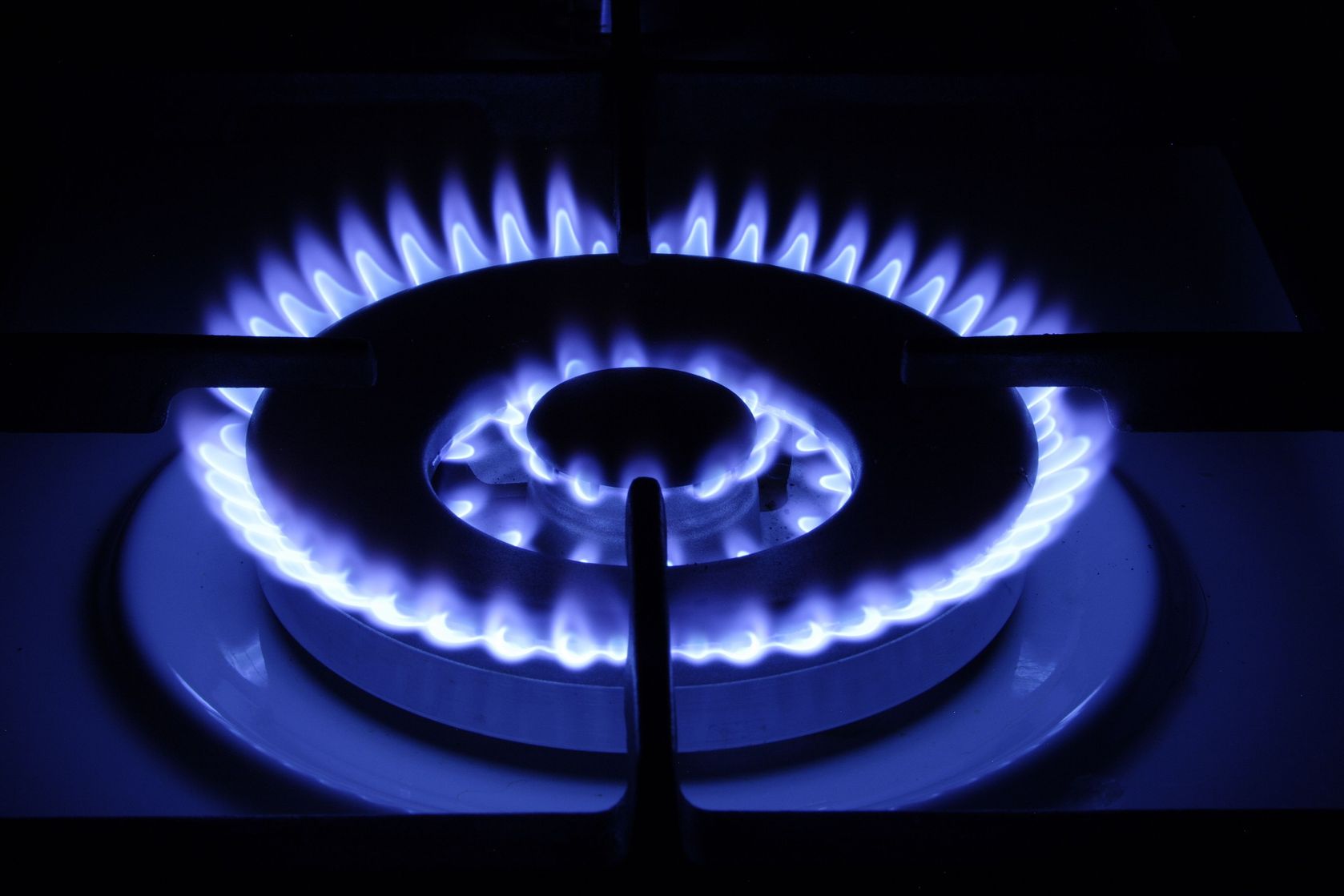

Natural resources form in nature. Which of the following is NOT a natural resource?
oil
coal
plastic
water

Oil is a renewable resource.
True
False

Rocks are renewable resources.
True
False

Renewable or Nonrenewable: Coal
Renewable
Nonrenewable

Renewable or Nonrenewable: Oil
Nonrenewable
Renewable
Fossil Fuels are a nonrenewable resource.
Advantage
Disadvantage
What is a natural resource?
Material from the Earth that people use for their needs.
A place hidden in the mountains.
An object made from natural things.
Which of the following is a non-renewable resource?
Water
Sun
Coal
Wind
Natural Gas is a __________ energy resource.
Renewable
Non-renewable
Which of the following is a non-renewable resource?
Water
Wood
Oil
Fossil Fuel are?
A group of energy resources that were formed from ancient plants and organisms
A group of dinosaur fossils
A type of gas used for planes
Resources that are not able to be reproduced as quickly as they are used are called _____.
renewable resources
replaceable resources
non renewable resources
non replaceable resources
Geothermal energy uses heat from ____ to produce electricity.
the earth
coal
oil
natural gas
Coal is burned to heat water so that the _______ can turn turbines.
fire
steam
water
heat
Renewable resources ...
are not replaceable
are used more frequently than non renewables
are never going to run out
going to run out
What type of power plant uses the potential energy of water trapped behind a dam?
nuclear power plant
hydroelectric power plant
solar station
coal burning power plant
What are fossil fuels?
coal, oil, uranium
oil, natural gas, uranium
coal, oil, natural gas
geothemals, coal, natural gas
A photovoltaic cell captures ____ to be used for power.
wind
water
coal
sunlight
What type of power plant uses scraps from farming, waste products and wind to generate electricity?
Hydroelectric Power Plant
Geothermal Power Plant
Biomass Power Plant
Nuclear Power Plant
Uranium atoms are split to create a tremendous amount of heat in a _____ power plant.
biomass
geothermal
nuclear
hydroelectric
Which are non renewable resources?
(Choose all correct answers)
natural gas
coal
water in a dam
oil
nuclear energy
Which of these are renewable resources?
coal
wind
geothermal
water in a dam
biomass
Which of these is non renewable
natural gas
water in a dam
solar power
wind energy
Which of these is renewable energy?
coal
petroleum
oil
biomass
Geothermal Power is a __________ energy resource
Renewable
Non-renewable
Which of the following is a non-renewable resource?
Water
Wood
Oil
Fossil Fuel are?
A group of energy resources that were formed from ancient plants and organisms
A group of dinosaur fossils
A type of gas used for planes
Water
Renewable- but we need to use it with caution
Non-renewable
The earth makes new water every day so we can use as much as we want
What is a natural resource?
Material from the Earth that people use for their needs.
A place hidden in the mountains.
An object made from natural things.
__________ is an energy resource that WILL NOT run out in the next several hundred years.
Renewable Energy Resource
Non-Renewable Energy Resource
__________ is an energy resource that WILL run out in the next several hundred years.
Renewable Energy Resource
Non-renewable Energy Resource
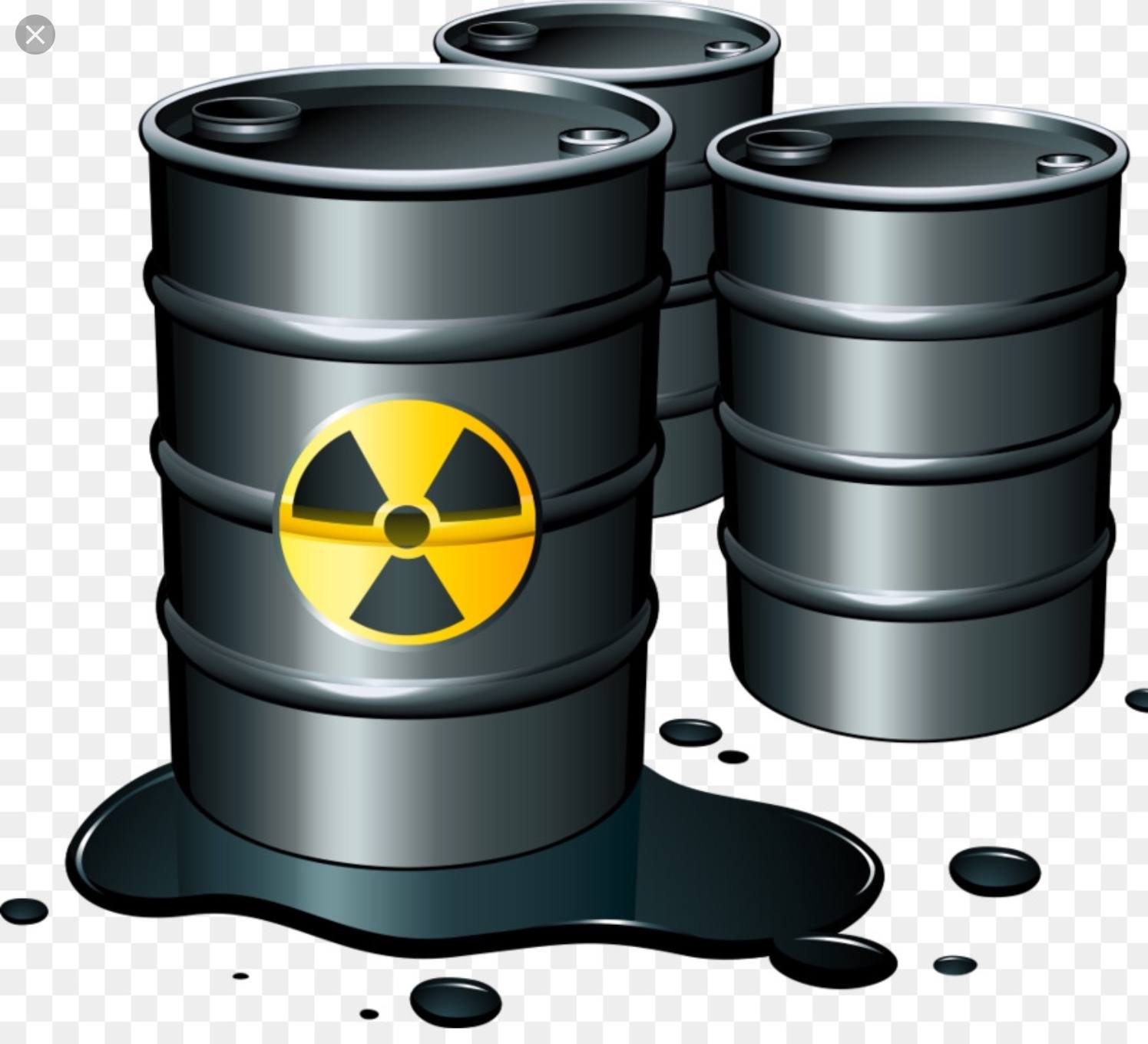
oil is renewable
True
False

a renewable resource is ....
a resource that forms much more slowly than it is consumed
a natural resource that can be replaced at the same rate at which it is consumed
any natural material that is used by humans
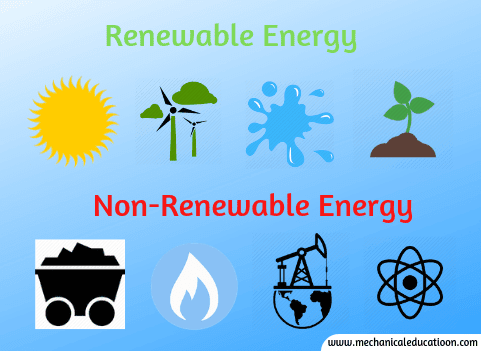
a nonrenewable resources is...
any natural material that is used by humans
a natural resource that can be replaced at the same rate at which it is consumed
a resource that forms much more slowly than it is consumed

All of the following are problems caused by burning coal, except
Creates smog
It is radioactive
Contributes to acid rain
Contributes to global warming

Energy created by the Earth's heat.
Biomass
Solar
Geothermal
Wind

Energy created by burning organic waste material.
Geothermal
Wind
Biomass
Water

Energy created by moving water.
Solar
Wind
Geothermal
Hydropower
A machine with blades that turns because of wind or water.
Turbine
Power plant
Lawnmower

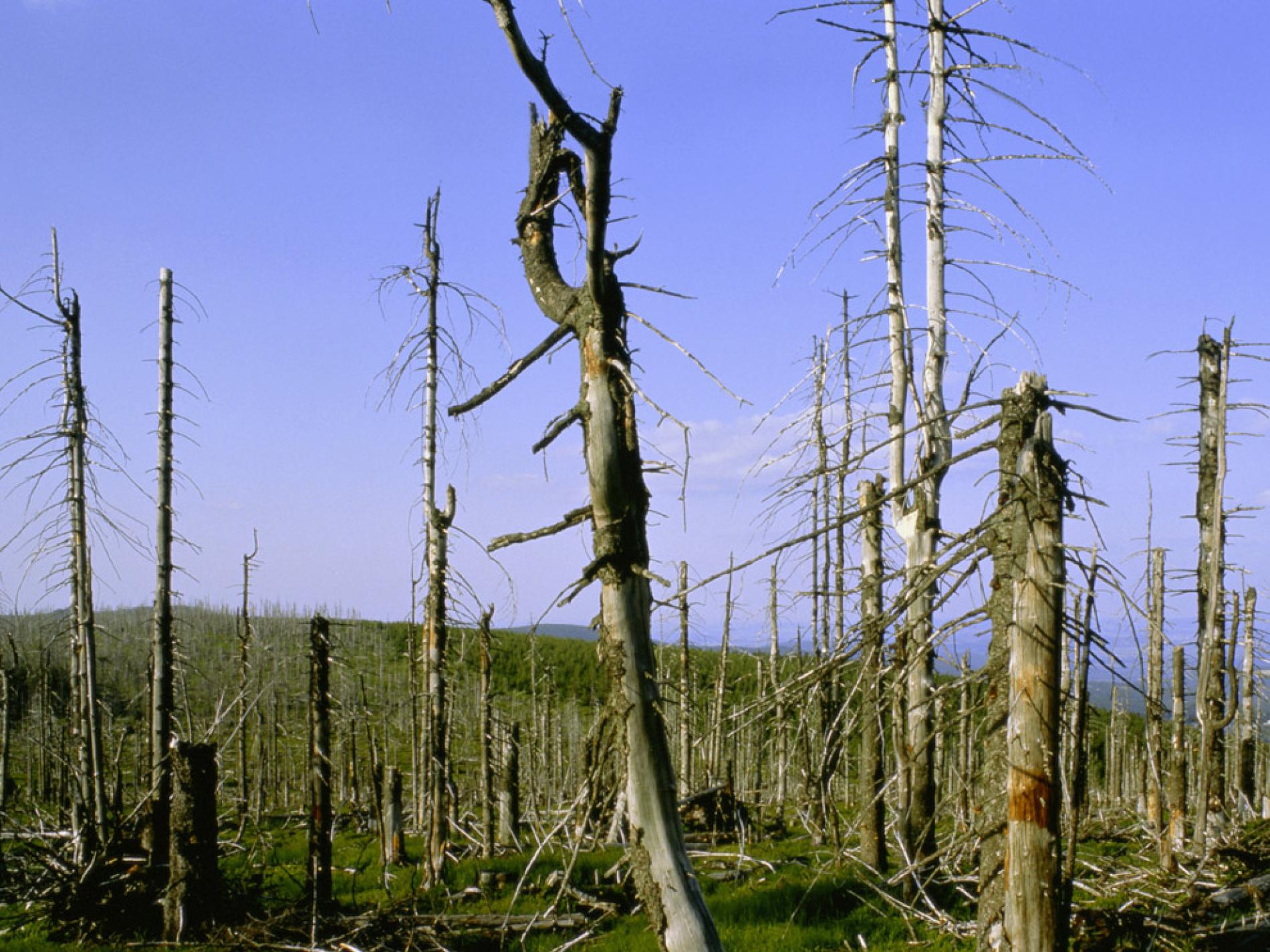


When the Ozone Layer loses Ozone what happens to organisms on the earth's surface?
They are exposed to Smog
Nothing happens
They are exposed to Acid Rain
They are exposed to Ultraviolet B Radiation


Which of the following is a cause to air pollution?
headache
power plant
breathing problem
global warming
Which of the following is a cause to air pollution?
nasal irritation
vehicles
eye irritation
recycle
Which of the following is an effect of air pollution?
dust storm
plant trees
chemicals
lung diseases
Which of the following is an effect of air pollution?
factory
use public transport more
acid rain
wildfires
Which of the following is a cause to air pollution?
skin infections
ozone layer decay
volcano eruption
use less plastic bags
Which of the following is a solution to reduce air pollution?
use public transport more
dust storm
volcano eruption
methane from landfills
Which of the following is a solution to reduce air pollution?
smog
dust storm
excessive use of air-conditioners
use energy-saving appliances
Which of the following is a solution to reduce air pollution?
increase air pollutants
renewable energy
acid rain
diesel vehicles
What is a effects of air pollution?
Smog and global warming
smoke
air
what is air pollution?
A mixture of gases that surround us that is invincible, tasteless and colorless.
Any material that causes air pollution
The contamination of the air by smoke and other harmful gases
what is air pollutant?
Any material that causes air pollution
The contamination of the air by smoke and other harmful gases
A mixture of gases that surround us that is invincible, tasteless and colorless.
Which one is a type of Air pollutants?
Carbon Pollutants
Sulfur Pollutants
Particle Pollutants
All of the above
Why is it important to have good air quality?
So we can live
So we can survive
So we can have good lungs
All of the above
What happens if we have bad air quality?
We survive
We might have bad breathing problems
We can breath good
what are some bad things that causes bad air.
Using cars
using bikes
powerplants
all of the above
What is one cause of air pollution?
Power plants
Burning fossil fuels
Littering/pollution
Does air pollution cause tears in the ozone layer?
True
False
Why is air pollution a big issue?
Causes lung cancer, Strokes, and heart diseases
Air pollution isn’t an issue
Bad for environment
Both A and C
what causes air pollution?
Cars
Fossil fuels
Wildfires
All of the above
What can you do to reduce air pollution?
Create wildfires
Use less energy, walk and ride bikes
Eat more meat to absorb toxins
Buy plants
Which gas contributes to global warming?
Carbon Monoxide
Hydrocarbons
Carbon dioxide
Nitrogen dioxide
What are two causes of acid rain?
Oxygen and Sulfur
Noise and light
Sulfur and Nitrogen
Which gases combine with water to form acid rain?
radon and carbon oxides
ozone and carbon monoxide
nitrogen oxides and sulfur oxides
car emissions and ozone
Ozone...
good for humans when near Earth's ssurface
a harmful pollutant no matter where it happens
found near Earth's surface all the time
protects Earth when high in the atmosphere, but is a pollutant near Earth's surface
Protective layer in atmosphere that shields earth from UV radiation.
ozone layer
air pollution
smog
acid deposition
the contamination of the atmosphere by the introduction of pollutants from human and natural sources
air pollution
smog
acid deposition
climate change
What is one example of natural source pollution?
Human/Environmental Interaction
Industrial Exhaust
Chlorine and Ammonia
Forest Fires
What do greenhouse gases do?
Make the sky blue
Trap heat inside our atmosphere
Keep out sunlight
Keep plants growing
We can reduce air pollution by:
Car pool and walk/bike more
Limit factories burning fossil fuels
Use more renewable energy sources
All of the above
what causes air pollution?
Cars
Fossil fuels
Wildfires
All of the above
Acid rain will cause our concrete and limestone building more fragile
True
False
Under normal conditions, the air goes from warm air near Earth, to cooler air to cold air in the atmosphere. When smog is present, the air goes from...
warm air near earth to cold air to cooler air in the atmosphere
cool air near earth to warm air to cold air in the atmosphere
cold air near earth to warm air to cooler air in the atmosphere
warm air near earth to cooler air to cold air in the atmosphere
A nonpoint source is...
a specific factory
emissions from cars
radon gas
smoke from one truck
Pet hair and dust are examples of...
allergens
outdoor pollutants
smog
gases
Ozone...
good for humans when near Earth's surface
a harmful pollutant no matter where it happens
found near Earth's surface all the time
protects Earth when high in the atmosphere, but is a pollutant near Earth's surface
Which choice isn't a source of outdoor pollution?
smoke
volcanic eruptions
smog
radon
What is acid rain?
Rain from the sky
Rain that is more acidic compared to normal rain.
Rain that is not more acidic compared to normal rain.
A combination of smog and acid.
Ozone can be formed from oxygen gas when lightning passes through the air?
True
False
The ozone hole in the upper atmosphere results primarily from
automobile exhaust
carbon dioxide pollution
CFC pollution
all of the above
Which of the following causes of pollution?
Car and vehicle emissions
smog
acid rain
animals and plants dying
Which of the following are effects of burning fossil fuels and car emissions?
Smog
Acid Rain
Global Climate Change
All of the Above
What does CFC stand for?
Carbon Four Chemicals
Chlorofluorocarbons
Chinese Fossil Chemicals
It does not stand for anything
We can reduce air pollution by:
Car pool and walk/bike more
Limit factories burning fossil fuels
Use more renewable energy sources
All of the above
Air pollution generally cause _______
Respiratory Problems
Brain Damage
Problems related to Digestive System
None of the above
Automobile engines built today are designed to be gas efficient. Gas efficient engines MOST likely affect a city by reducing ____
air pollution
heat pollution
noise pollution
light pollution
Why are scientists concerned with ozone depletion in the upper atmosphere?
because it causes greater levels of ground-level ozone.
because it allows ultraviolet radiation to reach Earth's surface.
because it increases the amount of smog in highly populated cities.
because it decreases global temperatures by decreasing incoming solar radiation.

