wayground logo

Free Printable Worksheets

NEW

Font size

S
M
L
XL
Worksheets

9.2 Water Quiz

Total questions: 44

Worksheet time: 32mins

Name
Class
Date
1.

Surface Tension is caused by

a)

Adhesion

b)

Cohesion

c)

Universal Solvent

d)

Solubility

2.

Why don't water and oil mix?

a)

Water and oil are both polar

b)

water and oil are both nonpolar

c)

water is polar and oil is nonpolar

d)

water is nonpolar and oil is polar

3.

All of the following are nonpolar except ________

a)

Methane, CH4

b)

Carbon Dioxide, CO2

c)

Hydrogen Gas, H2

d)

Water, H2O

4.

Which of the following compounds will dissolve best in water?

a)

Sodium Chloride, NaCl

b)

Boron Trifluoride, BF3

c)

Carbon Tetrachloride, CCl4

d)

Carbon Dioxide, CO2

5.

Adhesion means "sticking together"

a)

True

b)

False

6.

The red lines in the picture show ______________

a)

Adhesion

b)

Cohesion

7.

The green lines in the picture show ______________

a)

Adhesion

b)

Cohesion

8.

Water's ability to dissolve more solutes than any other substance

a)

Surface Tension

b)

Cohesion

c)

Adhesion

d)

Universal Solvent

9.

Equal electron distribution

a)

Nonpolar

b)

Polar

c)

Covalent

d)

Ionic

10.

Unequal electron distribution

a)

Nonpolar

b)

Polar

c)

Covalent

d)

Ionic

11.

Water's properties are caused by its polarity

a)

True

b)

False

12.

Cohesion means "sticking to a surface"

a)

True

b)

False

13.

Iodine (nonpolar) will dissolve in water

a)

True

b)

False

14.

Which of the following statements is false?

a)

Polar can only dissolve polar

b)

Nonpolar can only dissolve nonpolar

c)

A polar compound has the same charges on either end

d)

A polar compound has opposite charges on either end

15.

Water can dissolve both polar and nonpolar substances

a)

True

b)

False

16.
Water is a universal solvent
a)
True
b)
False
17.
A Compound that is being dissolved is called a
a)
Solution
b)
Solute
c)
Solvent
d)
Suspension
18.
A solvent is...
a)
substance into which the solute dissolves
b)
a compound being dissolved
c)
a substance that does not dissolve
d)
None of the above
19.
What is water made of?
a)
Water
b)
Liquid
c)
Hydrogen and oxygen
d)
Blue 
20.
What is an example of something that dissolves in water
a)
Yourself
b)
Sugar
c)
A rock
d)
A boat
21.
Attractions between water molecules are called
a)
Covalent bonds
b)
Ionic bonds
c)
Polar bonds
d)
Hydrogen bonds
22.
Water is a universal solvent because it...
a)
It can be found anywhere
b)
It freezes when it gets cold
c)
floats when frozen
d)
Dissolves most substances
23.
Which of the following is LEAST likely to dissolve in water?
a)
nonpolar fats and oils
b)
polar sugar molecules
c)
salt made of a positive sodium ion and a negative chloride ion
d)
all of the substances will dissolve easily in water
24.
Which types of compounds dissolve easily in water?
a)
Polar and Nonpolar
b)
Polar and Ionic
c)
Nonpolar and Ionic
d)
Covalent and Nonpolar
25.

A water strider can skate along the top of a pond because:

a)

covalent bonds result in water cohesion

b)

hydrogen bonds result in water cohesion (surface tension)

c)

water striders have adapted to take advantage of water forming ionic bonds

d)

low surface tension of water

26.
Negatively charged part of an atom located in levels outside the nucleus
a)
Proton
b)
Neutron
c)
Electron
d)
Neutron
27.
Bond formed when one or more electrons are transferred from one atom to another
a)
Covalent
b)
Chemical
c)
Ionic
d)
James
28.
Bond formed by the sharing of electrons between atoms
a)
Chemical
b)
Covalent
c)
Ionic
d)
James
29.
Attraction between molecules of different substances
a)
Adhesion
b)
Cohesion
c)
Polarity
30.
Attraction between molecules of the same substance
a)
Adhesion
b)
Cohesion
c)
Polarity
d)
Van der Waals forces
31.
Water is polar because...
a)
The unequal sharing of electrons gives the water molecule a slight negative charge near its oxygen atom and a slight positive charge near its hydrogen atoms.
b)
The molecule has two poles, at which the it is colder than other regions of the molecule.
c)
The unequal sharing of electrons gives the water molecule a slight negative charge near its hydrogen atoms and a slight positive charge near its oxygen atom.
d)
The water molecule is neutral.
32.
True or false, water is a polar molecule? 
a)
True 
b)
False 
33.
Because ice floats in water, we know that it is __________________________.
a)
less dense than water
b)
more dense than water
c)
a solvent
d)
just as dense as water
34.

A water molecule is polar because one end is positive and one end is negative.

a)

True

b)

False

35.

The properties of water most responsible for this are

a)

adhesion only

b)

cohesion only

c)

cohesion and adhesion

36.

The property of water when water attracts to water is:

a)

cohesion

b)

adhesion

37.

The property of water that attracts water to another object which is polar or charged:

a)

Adhesion

b)

Cohesion

38.

The film of water under the bug is best created by:

a)

Hydrogen bonds

b)

Ionic bonds

c)

Plastic

d)

Legs of the insect

39.
Refer to the picture; this is occurring because of:
a)
Adhesion
b)
Cohesion
40.
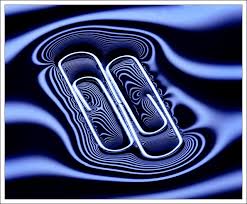
The tightness across the surface of water that enables paper clips to float is ____________.
a)
adhesion
b)
capillary action
c)
surface tension
d)
polarity
41.
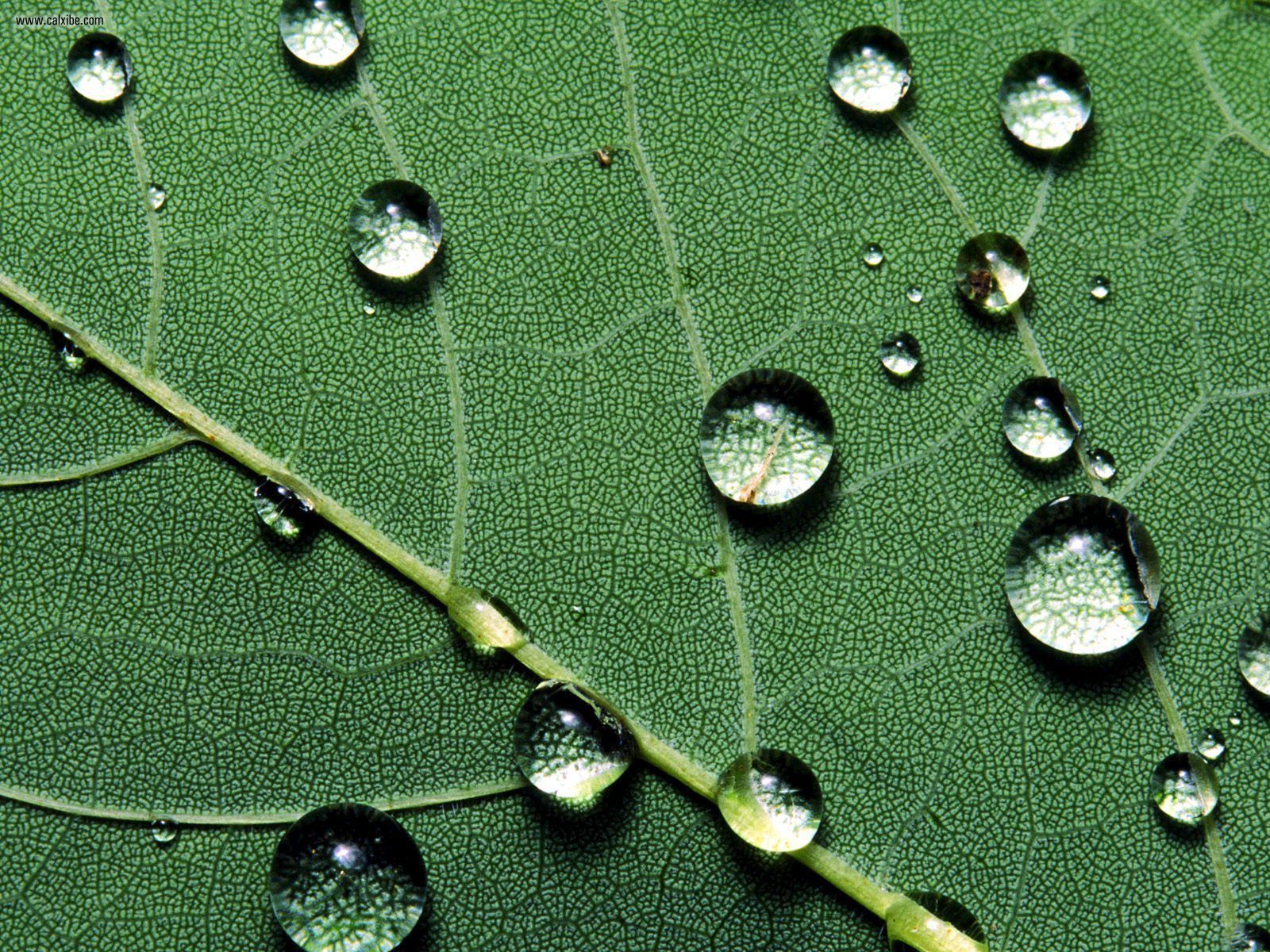
Water droplets take a spherical shape (as pictured) because of ____________
a)
adhesion
b)
cohesion
c)
capillary action
d)
solubility
42.
Water is a universal solvent because it...
a)
It can be found anywhere
b)
It freezes when it gets cold
c)
floats when frozen
d)
Dissolves most substances
43.
Most of water's properties occur because it is...
a)
A polar covalent
b)
Made with oxygen
c)
A polar ionic
d)
Makes up 75% of the Earth
44.
Water striders can walk across the surface of calm water. Their feet push the surface of the water down slightly, but they do not break the surface. Why?
a)
The insects are light enough so they do not break the hydrogen bonds holding the water molecules together
b)
The insects actually use their wings to hover slightly above the water’s surface and they only skim it with their feet.
c)
The insect’s feet are non-polar, so they are repelled by the polar water molecules and are pushed away from the water’s surface.
d)
The insects are small enough to see the individual water molecules, so they are able to step carefully from one molecule to the next