Worksheets
Human Evolution
Total questions: 15
Worksheet time: 8mins
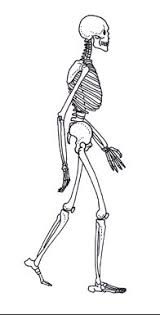
The ability to walk upright on two legs is called:
bipedalism
quadropedalism
bicyclepedalism
tripedalism
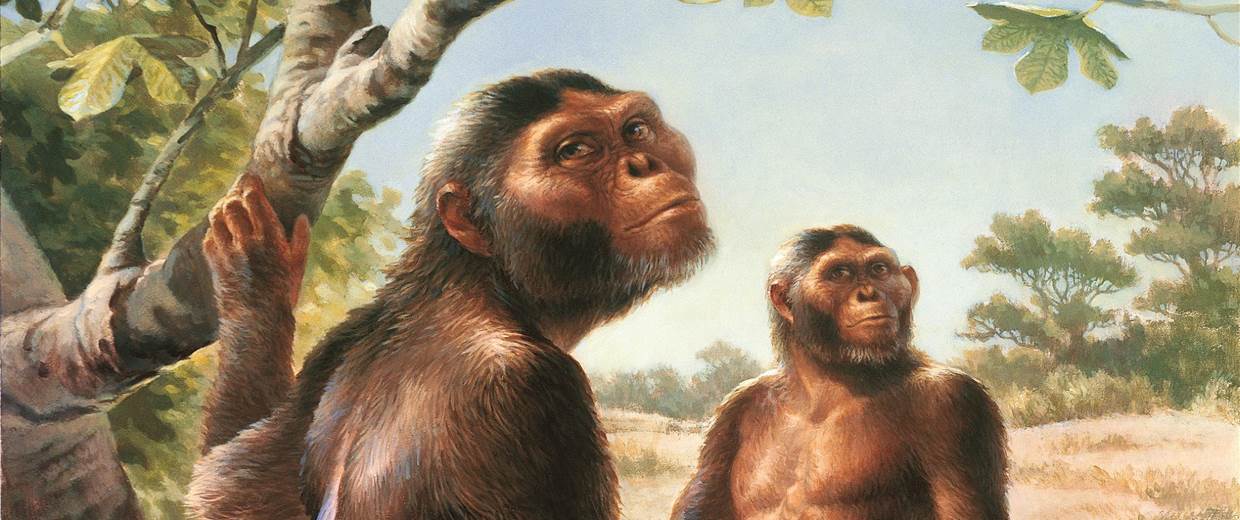
Click all the correct answers!
Bipedalism probably evolved because...
The climate in Africa changed 10 million years ago.
Rain forest changed into woodland and savanna.
Our ancestors depended on trees less and less.
Our ancestors needed to communicate using language.

All of these help us to be bipedal EXCEPT:
S-shaped spine
short, wide pelvis
arched feet
opposable thumbs
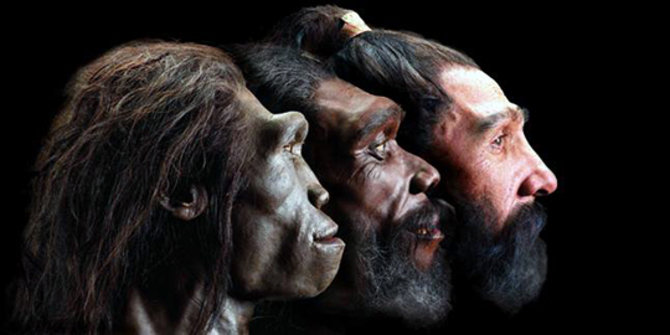
Modern humans and their closest relatives belong to the same family. Members of this family are called:
hominids
primates
homo sapiens
Lucy
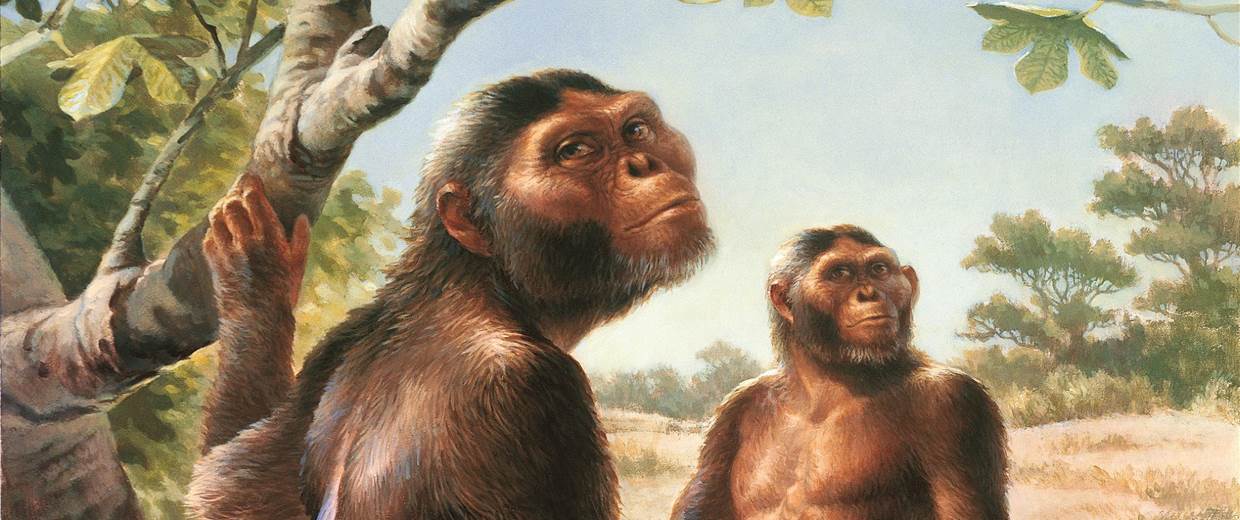
All of these are advantages of bipedalism EXCEPT:
Hands are free to carry food.
Save energy when walking long distances.
Hands are free to use tools.
Easier to balance on two legs.
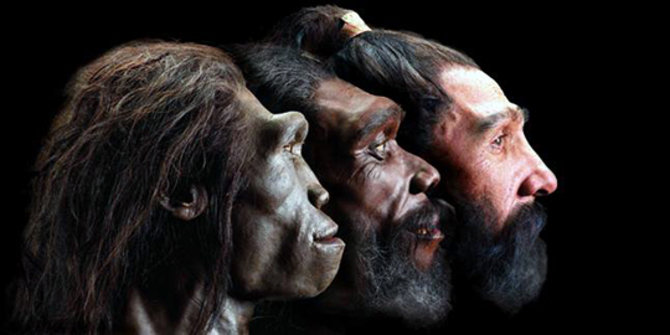
Which hominid species is most closely related to Homo sapiens?
Homo habilis
Australopithecus afarensis
Homo neanderthalensis
Homo heidelbergensis
What continent did humans evolve from?
the Americas
Asia
Africa
many places all at once
Who are the closest living relatives to humans?
chimpanzees
gorillas
lemurs
kangaroos
What is the scientific name for modern day humans?
Homo Habilis
Homo Sapiens
Homo Erectus
Neanderthal
Which of the following is the correct order of human evolution?
walking upright, using tools, controlling fire, larger brains, language
language, larger brains, controlling fire, using tools, walking upright
larger brains, language, using tools, controlling fire, walking upright
larger brains, walking upright, using tools, controlling fire, language
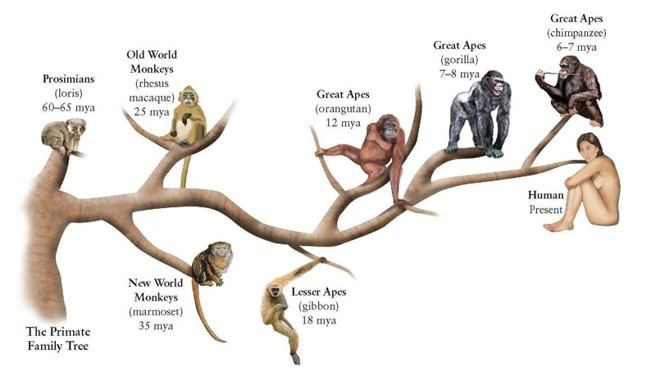
What do we share in common with primates?
Common Ancestors
Humans evolved from monkeys

Which is the oldest of these four species?
Australopithecus
Tool-making hominids
Homo Neanderthalensis
Homo Sapiens
When did human evolution take place?
It started 6 million years ago.
It started 5 million years ago.
It started 4 million years ago.
It started 3 million years ago.

Related organisms have similar _______.
Genetic Material
Diet
Behavioral Patterns