wayground logo

Free Printable Worksheets

Font size

S
M
L
XL
Worksheets

Anatomy & Phyisology HW 3/30-4/3

Total questions: 46

Worksheet time: 35mins

Name
Class
Date
1.
Which of the following delivers oxygen to cells?
a)
Red Blood cells
b)
White blood cells
c)
Platelets
d)
Plasma
2.
Which of the following are the blood vessels that helps blood flow to the heart?
a)
Veins
b)
Arteries
c)
Cappillaries
3.
Which of the following are the blood vessels that have a wall that is 1 cell thick?
a)
Veins
b)
Arteries
c)
Cappillaries
4.
Which of the following are the blood vessels that have the thickest walls?
a)
Veins
b)
Arteries
c)
Cappillaries
5.
What is the name of the circulation between the heart and lungs?
a)
Diastolic
b)
Systemic
c)
Pulmonary
d)
Coronary
6.
What is the name of the circulation between the heart and the body?
a)
Diastolic
b)
Systemic
c)
Pulmonary
d)
Coronary
7.
Blood enters the heart at the ....
a)
Right Atrium
b)
Left Atrium
c)
Right Ventricle
d)
Left Ventricle
8.
What is the name of the part labelled 3?
a)
Right Atrium
b)
Left Atrium
c)
Right Ventricle
d)
Left Ventricle
9.
What is the name of the part labelled 2?
a)
Right Atrium
b)
Left Atrium
c)
Right Ventricle
d)
Left Ventricle
10.
What is the name of the part labelled 4?
a)
Right Atrium
b)
Left Atrium
c)
Right Ventricle
d)
Left Ventricle
11.
What is the function of a valve?
a)
Helps blood to clot
b)
Keeps blood flowing in all directions
c)
Keeps blood flowing in one direction
d)
Stops blood from flowing
12.
Which vessels carry blood away from the heart?
a)
arteries
b)
veins
c)
capillaries
13.
Which part of the heart pumps deoxygenated (oxygen-poor) blood?
a)
Left side
b)
Right side
c)
Top side
d)
Bottom side
14.
Which is the muscular wall that separates the heart into right and left sides?
a)
valves
b)
ventricles
c)
atria
d)
septum
15.
Oxygen-poor blood arrives to the heart from the the body via the _____.
a)
aorta
b)
pulmonary arteries
c)
superior and inferior vena cava
d)
pulmonary veins
16.
Another name for the circulatory system is __________________________________________ because they describe the system that consists of the heart, blood vessels, and blood.
a)
Cardiovascular System
b)
Heart
c)
Vein
d)
Artery
17.
Pulmonary vein
a)
carries oxygenated blood to left atrium
b)
carries deoxygenated blood to left ventricle
c)
carries oxygenated blood to left ventricle
d)
carries deoxygenated blood to left atrium
18.

The heart is about the size and shape of your . . .

a)

head

b)

fist

c)

hand

d)

foot

19.
The circulatory system works with the ___________ system to provide our body with oxygen.
a)
respiratory
b)
digestive
c)
muscular
d)
skeletal
20.
Which is NOT a function of the circulatory system?
a)
deliver O2 and nutrients to cells
b)
remove CO2 and wastes from cells
c)
break down carbohydrates into glucose
d)
transport other materials through body
21.
What does Deoxygenated mean?
a)
Oxygen-rich
b)
Blood flow
c)
Oxygen-poor
d)
Water Flow
22.

Blood cell that protect the body against infection

a)

Platelets

b)

Plasma

c)

Hemoglobin

d)

White Blood Cells

e)

Blood

23.

The fluid in which other parts of the blood are suspended

a)

Platelets

b)

Blood

c)

Plasma

d)

Hemoglobin

e)

White Blood Cells

24.

Types of cells in the blood that causes blood clots to form

a)

Platelets

b)

Blood

c)

Plasma

d)

Hemoglobin

e)

White blood cells

25.

The oxygen-carrying protein in blood

a)

Platelets

b)

Blood

c)

Plasma

d)

Hemoglobin

e)

White Blood Cells

26.

The lower two chambers of the heart

a)

Pulmonary Circulation

b)

Valves

c)

Atria

d)

Ventricles

e)

Septum

27.

Small vessels that carry blood from arterioles and to small vessels called venules which then empty into veins

a)

Arterioles

b)

Arteries

c)

Veins

d)

Venules

e)

Capillaries

28.

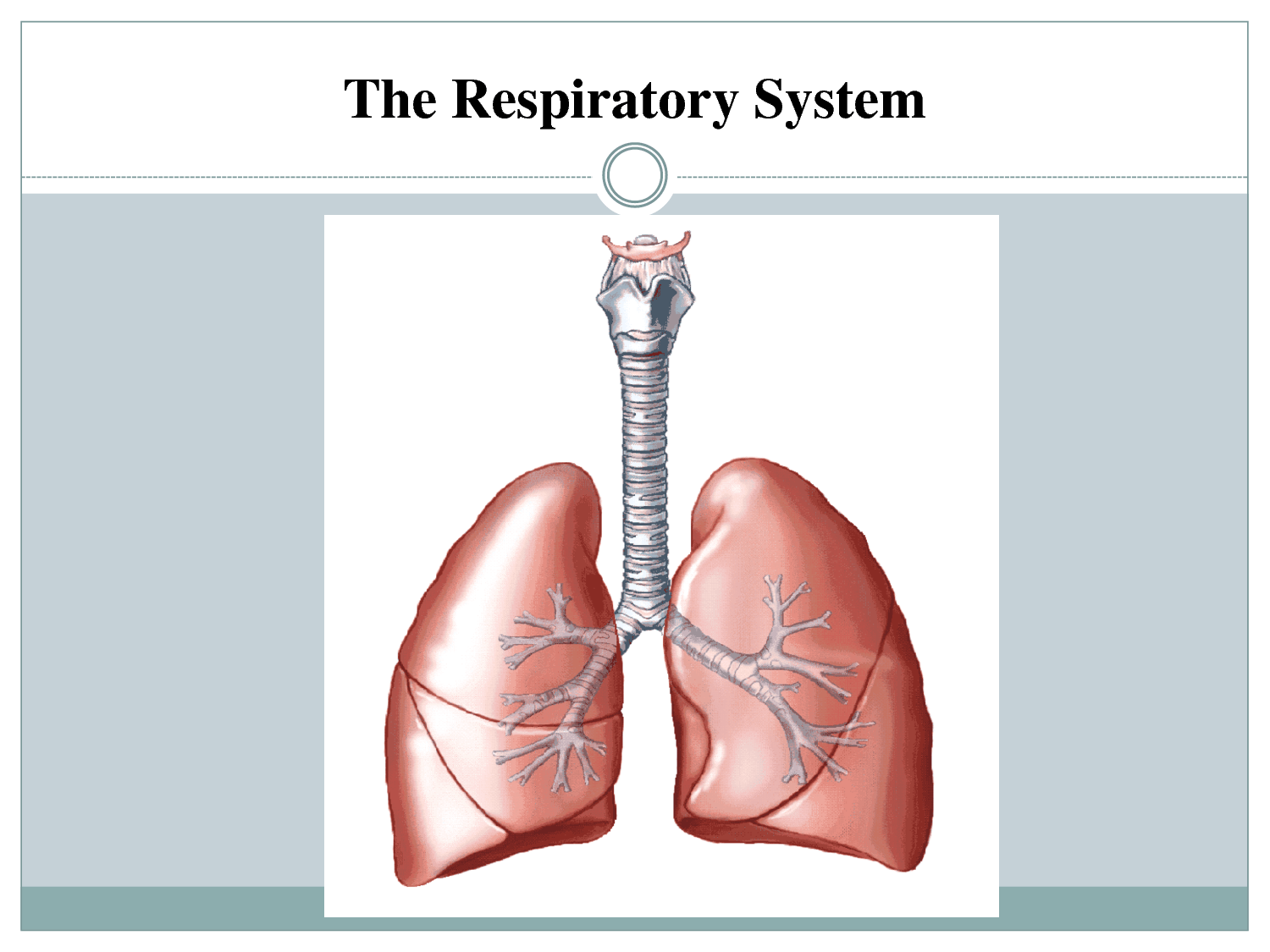
What is the main function of the respiratory system?

a)

to provide oxygen and remove carbon dioxide from the body

b)

o break down food and absorb nutrients

c)

to remove oxygen from the body and deliver carbon dioxide

29.

What are the main organs of the respiratory system that allow us to breathe and for gas exchange to happen?

a)

diapragm

b)

lungs

c)

trachea

30.

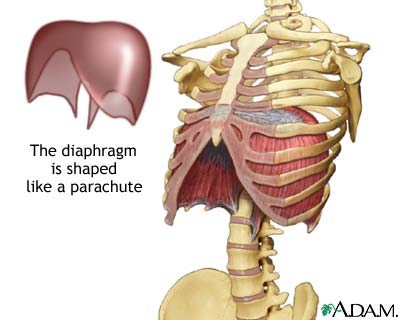
What is function of the dome-shaped diaphragm muscle?

a)

This is where gas exchange happens.

b)

Air passes through the diaphragm on the way to the lungs.

c)

It attaches to the lungs and contracts and relaxes to help in breathing.
31.
When you breathe, your lungs take in ___ and remove ___. 
a)
air/oxygen
b)
oxygen/carbon dioxide 
c)
carbon dioxide/waste 
d)
waste/air 
32.
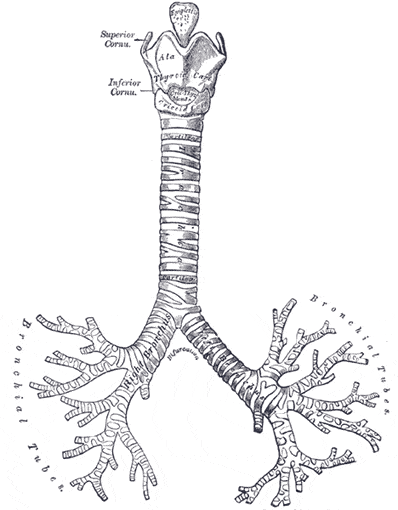
What is the function of the bronchi?
a)
Transport air from nose to lungs
b)
Transport air from trachea to lungs
c)
Transport air from lungs to alveoli
d)
Transport air from alveoli to blood
33.

These are the two two main branches from the trachea (one to each lung)

a)

bronchi

b)

alveoli

c)

capillaries

d)

bronchioles

34.
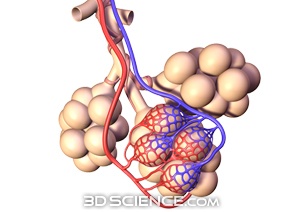
Within the lungs, the exchange of oxygen and carbon dioxide occurs between the ___ and the capillaries. 
a)
trachea 
b)
bronchi 
c)
alveoli
d)
diaphragm
35.
What is tube that is also known as your wind pipe?
a)
esophogus
b)
bronchi
c)
trachea
d)
alveoli
36.

Flap of tissue that covers the opening to the windpipe during swallowing

a)

Pharynx

b)

Trachea

c)

Epiglottis

37.

The circulatory system works with the ___________ system to provide our body with oxygen and get rid of CO2 (carbon dioxide).

a)

respiratory

b)

digestive

c)

muscular

d)

skeletal

38.

Which one accurately describes the difference between respiration and cell respiration?

a)

respiration produces glucose while cell respiration does not

b)

cell respiration is a process in cells where energy is made, while respiration is breathing

c)

respiration occurs in cells while cell respiration produces glucose

d)

none of the above

39.

What is oxygen needed for?

a)

energy releasing chemical reactions

b)

to make glucose

c)

to take in sunlight

d)

none of the above

40.

Tiny hairs that move particles in the nose are called

a)

mucus

b)

vocal cords

c)

cilia

d)

flagella

41.

After the nose, air passes into the

a)

larynx

b)

pharynx

c)

bronchi

d)

bronchioles

42.

Where does air go after the pharynx during inhalation?

a)

nose

b)

trachea

c)

bronchi

d)

alveoli

43.

When you exhale, air goes out of the trachea to the

a)

bronchi

b)

alveoli

c)

pharynx

d)

esophagus

44.

Where would you find cilia?

a)

nose and alveoli

b)

bronchioles and mouth

c)

trachea and nose

d)

all of the above

45.

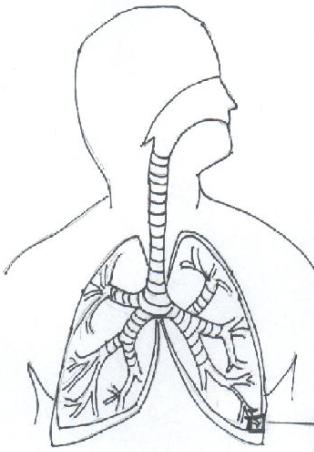
What is labeled F?

a)

bronchioles

b)

trachea

c)

bronchi

d)

diaphragm

46.

What is labeled at E?

a)

bronchi

b)

trachea

c)

pharynx

d)

none of the above