
 Worksheets
AP - Unit 7: Natural Selection
Total questions: 34
Worksheet time: 25mins
True or False: Theories can change.
True
False
True or False: Evolution explains how life originated.
True
False
A scientific description of WHAT occurs in nature.
A collection of beliefs portrayed as being scientific, such as astrology, is known as...
What is a well tested explanation of HOW natural events happen by gathering evidence, making observations, and testing ideas?
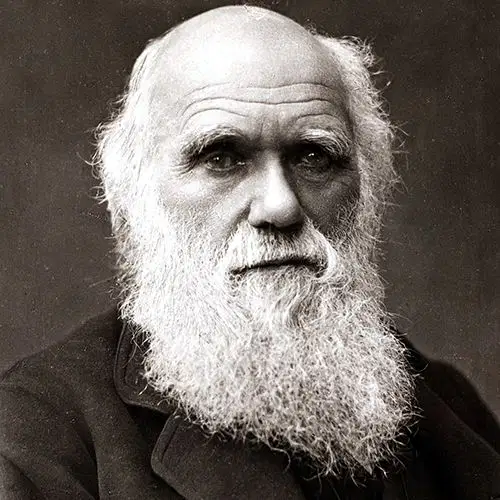
Who is the father of evolution?
Charles Darwin
Jean- Baptiste
Charles Lyell
Louis Pasteur
Which scientist had a correct understanding of genetics and how genes were passed down from parent to offspring?
Charles Darwin
Lamarck
None of the above
Alfred Russel Wallace
Erasmus Darwin
True or False: Darwin was the first scientist who tried to explain evolution.
True
False
Which of the following describes the evidence scientists have collected about the age of the Earth?
Thousands of years old
Hundreds Thousands of years old
Millions of years old
Billions of years old
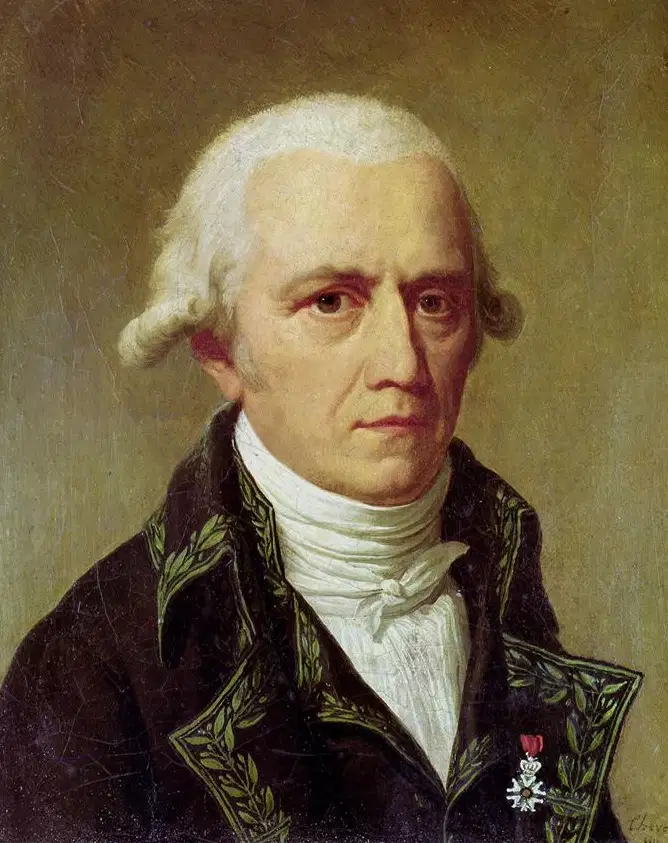
This scientist believed that if an organism used a body part or organ enough it would become stronger
Jean-Baptiste de Lamarck
Charles Darwin
Thomas Malthus
Alfred Wallace
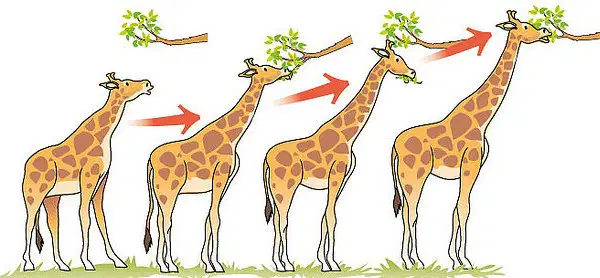

Which of the following is a true statement about natural selection?
natural selection is goal directed
individuals evolve
variation exists in a population
acquired characteristics are passed on

What location was the most important to the discovery of evolution by natural selection for Darwin?
Australia
Barbados
Galapagos
Trinidad
Why is Darwin known as the father of evolution instead of other scientists who were working on the theory at the time?
Darwin published his work first
Darwin was the first the figure out that species changed
Darwin was the first to figure out the method of evolution and support it with evidence.
Darwin took the information he learned from Wallace and published it in a journal before Wallace could publish it himself.
Darwin has the best definition of evolution.
Which one of the following is a belief?
Aliens exist.
The Earth is round.
Species evolve.
Living things are made of cells.
The selection of certain organisms to create beneficial traits for humans is called...
Natural Selection
Artificial Selection
Bottleneck Effect
Mutations
Darwinism
Fitness is described as...
the ability to live and reproduce.
any physical feature that increases the chances of surviving in a population.
a drastic decrease in the size of the population that decreases the biodiversity.
how athletic an organism is.


What are the two means of variation within a population?
Mutations and meiosis
Mutations and mitosis
Meiosis and mitosis
Meiosis and natural selection
Natural selection and Artificial selection
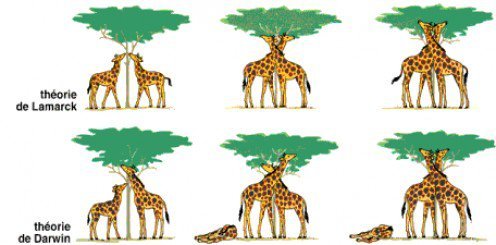
They would survive
They would thrive
They would become extinct
They will find another source of food
What statement is true about fossils?
All living organisms leave behind fossils.
Fossils show that species never change.
Fossilization requires specific environmental factors which leads to less than 1% of a species becoming fossils.
Plants don't leave behind fossils.
The hardened remains of a living thing that died long ago.
fossil
extinct
endangered
minerals
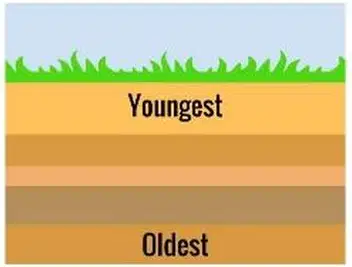
What concepts explains the age of the layers of Earth?
Law of Superposition
Law of Evolution
Theory of Evolution
Theory of Superposition
Match the following pictures with the words they represent

Analogous Structure

Homologous Structure

Artificial selection

Natural selection

