
 Worksheets
Since Midterm Review
Total questions: 114
Worksheet time: 1hrs 11mins
A monarch is subject to no earthly authority, deriving the right to rule directly from the will of God.
Divine Right
Versailles
Absolutism
Czar
Known as the Sun King and the ruler of France
King James II
King Phillip
Louis XIV
Louis XXI
A bloodless overthrow of the England ruler King James II
Glorious Revolution
French Revolution
Constitutional Monarchy
English Bill of Rights
Created to give more rights to the people of England
Glorious Revolution
Petition of Rights
English Bill of Rights
Constitutional Monarchy
The principal royal residence of France from 1682 under Louis XIV until the start of the French Revolution in 1789 under Louis XVI
Absolutism
Versailles
Divine Right
Czar
a political theory that absolute power should be vested in one or more rulers
Divine Right
Absolutism
Versailles
Renaissance
Known as the leader of Russia
Czar
Versailles
Absolutism
Divine Right
Laws made to limit the power of a ruler
Petition of Rights
Glorious Revolution
Constitutional Monarchy
English Bill of Rights
The leader of England when the English Civil War started, and was later beheaded
Charles I
James I
William & Mary
Charles II
The English Bill of Rights was meant to..
protect the rights of a leader so they can't be beheaded
protect the rights of the parliament from the King or Queen
protect the rights of the people from the King or Queen
protect the rights of the people and the King but not a Queen
Louis XIV restructured the policy-making machinery of the French government by
requiring nobles to live at Versailles while excluding them from real political power.
filling the royal council with his supporters.
requiring Huguenots convert to Catholicism, leave France or be punished.
all of these are correct.
During the reign of Charles I of England, (mark all which are correct)
the English Civil War occurred.
Oliver Cromwell emerged as the new military leader.
Parliament was dissolved.
he was so well liked that his monarchy became known as the Restoration.
The incident that prompted the nobles to depose James II was
the birth of a Catholic son who would assume the throne.
a religious alliance with France.
his marriage to the Duchess of Orange.
the death of his first wife.
Which of the following statements best applies to Peter the Great of Russia?
Even though he desired to teach Russians western customs, he could only enforce his ideas among the old-fashioned nobles.
His program of modernization was predominantly technical and aimed at modernizing the military while securing a sea port to make Russia a real military power.
His respect for eastern governments led to increased powers for the Duma/Russian parliament.
His traditional, conservative attitude stripped away all previous social gains for women.
Who inherited Spain, the Spanish Netherlands, and Spain's American colonies from his father?
Charles V
Philip II
Diego Velazquez
Miguel de Cervantes
What did Philip II launch to punish Protestant England and Queen Elizabeth I?
Spanish Armada
Escorial
standing army
Reconquista
Which of the following did NOT contribute to Spain's economic decline?
severe inflation
expulsion of Muslims and Jews
Philip II taking control of Portugal
nobles didn't pay taxes, but lower classes did
What was the declaration of religious tolerance created by Henry IV that stated Huguenots could live in peace in France and set up places of worship in some cities?
Edict of Versailles
Edict of Nantes
Treaty of Paris
Accord of Bordeaux
Who was the most powerful ruler in French history who considered himself and the French state one in the same?
Cardinal Mazarin
Louis XIV
Charles V
Jean Baptiste Colbert
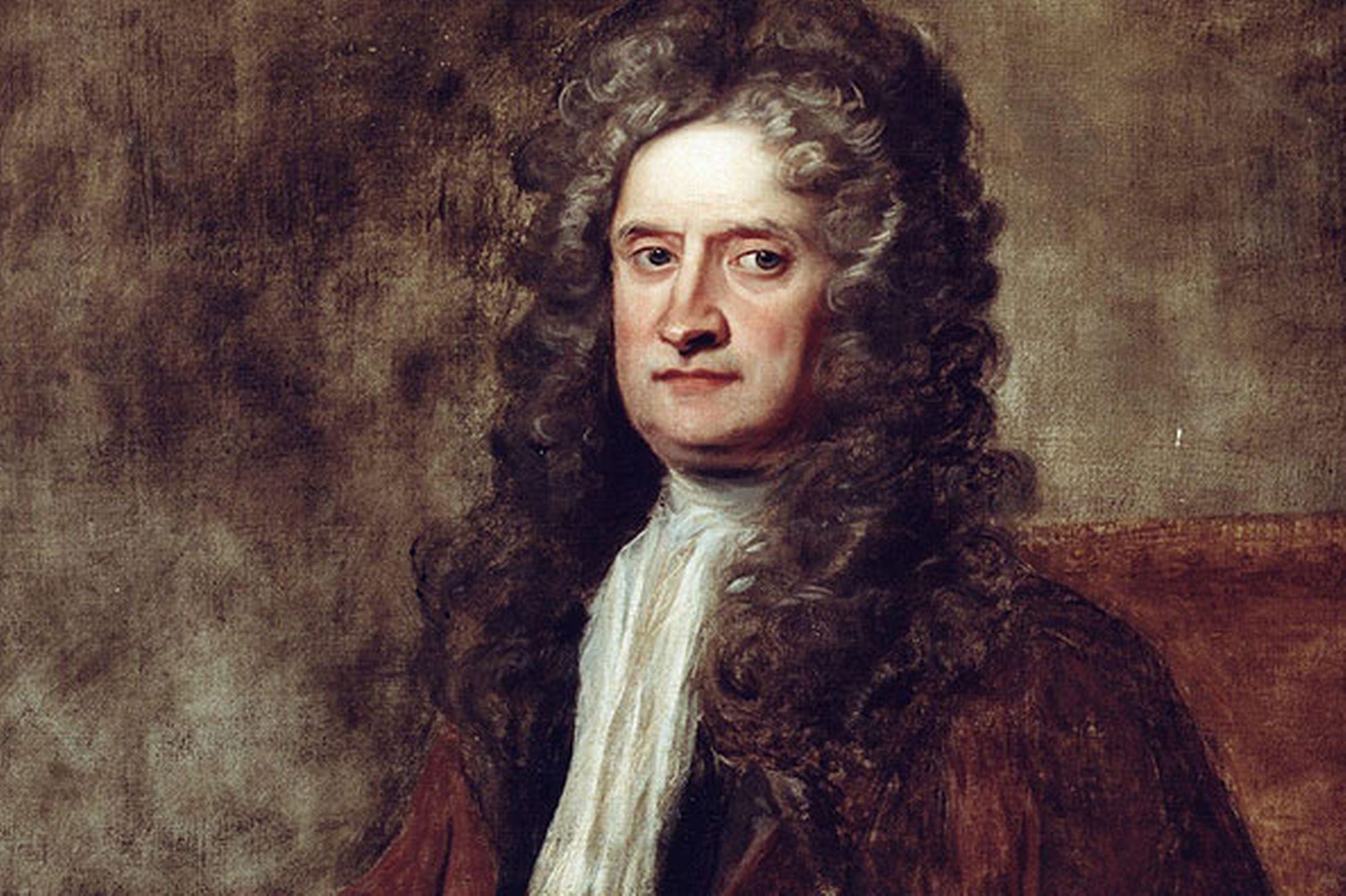
Enlightenment
based on reason and logic rather than tradition and authority
a radical change with a widespread impact
philosophical movement largely in the 18th Century that relied on rationalism as a basis for criticizing government, social institutions, and the social class system
the governed agree to be ruled only so that their rights, property and happiness be protected by their rulers
Social Contract
based on reason and logic rather than tradition and authority
a radical change with a widespread impact
philosophical movement largely in the 18th Century that relied on rationalism as a basis for criticizing government, social institutions, & the social class system
the governed agree to be ruled only so that their rights, property and happiness are protected by their rulers
Which philosopher came up with the idea that all men are selfish and competitive and need an all powerful leader to rule over them?
Wollstonecraft
Hobbes
Locke
Montesquieu
Which philosopher came up with the idea that men have natural rights to life, liberty , and property and that government’s role is to protect those rights?
Wollstonecraft
Hobbes
Locke
Montesquieu
Which of the following philosophers came up with the idea for separation of powers (three branches of government) in government?
Wollstonecraft
Hobbes
Locke
Montesquieu
Which of the following philosophers came up with the idea for a social contract
Wollstonecraft
Hobbes
Rousseau
Montesquieu
Which of the following philosophers promoted equality, free speech, religious tolerance
Wollstonecraft
Voltaire
Rousseau
Montesquieu

Estate


What kind of leader was King Louis XVI?
very militaristic
weak and indecisive
powerful and well respected
friendly and well liked
The Reign of Terror was a time when
Marie Antoinette was executed
The Committee of Public Safety used terror to keep the Republic safe
Thousands of French people were sent to the guillotine
all of these
The TERROR ended when...
Marie Antoinette was executed.
Louis XVI was executed.
Marat was murdered in his bath.
Robespierre was executed.
After the TERROR, some stability was achieved in 1795 when...
The Directory came to power
Napoleon took over the government
The Committee of Public Safety took over the government
All of these

One goal of the Congress of Vienna was to
establish a new balance of power in Europe
protect Europe from Ottoman advances
end abuses within the Catholic Church
redraw the boundaries of Africa
How did the move from farm to factories change peoples lives?
land owners had to share their land
urbanization was a myth
cities grew as people moved to work in factories
the cottage industry thrived
Why was England the first to Industrialize?
It already had large cities
It had tons of natural resources like coal, iron and rivers
It had very little natural resources
It was located in the middle of Europe
What is major affect did the agricultural revolution have on population?
population decreased
population increased
population didn't change
population barley changed
What invention moved factories away from rivers?
the train
the spinning jenny
the canal
the steam engine
What industry was revolutionized by inventions like the spinning jenny, the power loom and the steam engine?
Textile Industry
Coal Industry
Steel Industry
Transportation Industry
Which of the following is social affect of the Industrial Revolution?
the increase in air pollution
people dying from lack of food
an increase in deaths by road accidents
the rise of the industrial middle class and industrial working class
What did the assembly lines do for manufactured goods?
goods were made quicker and cheaper
goods were made quicker but not cheaper
less goods were made
it took longer for goods to be made but they were cheaper
Select the negative effects of the Industrial Revolution:
Pollution
Overcrowded cities
Poor working conditions
Increase in wages
Which one of the inventions from your chart changed the way goods and people were transported?
Telephone
Light Bulb
Steam Engine
Cotton Gin
Who invented the Spinning Jenny?
Thomas Edison
James Hargreaves
Albert Einstein
Eli Whitney
How did the cotton gin change cotton production in the South?
Cotton was made faster.
Cotton became the most important cash crop in the United States.
It could clean more cotton in minutes than a whole group of workers could clean in a day.
all of the above
Inventor of the pasteurization process that removes bacteria from beverages like milk and beer.
Louis Pasteur
James Watt
Eli Whitney
Charles McCormick
Why did many industrialized or advanced countries need to takeover less advanced countries?
For better climate and cleaner environment
To create a democratic government
To teach the local population about recycling
To claim or takeover natural resources located in those countries
The Suez Canal connects which two bodies of water?
Pacific Ocean and Arctic Ocean
Mediterranean Sea and Red Sea
Atlantic Ocean and Indian Ocean
Atlantic Ocean and Pacific Ocean
Imperialism is __________.
when a powerful nation uses its resources to help a weaker nation
when a weaker nation invites a powerful nation to help it industrialize
when a powerful nation takes control of the economy and government of a weaker nation
when weak nations join together to fight a strong nation
Why were European countries interested in colonizing Africa during the Age of Imperialism?
They wanted Africa's natural resources
They wanted land to develop new types of ships
They wanted to create a perfect society
They wanted to learn new languages
The race for European countries to claim land in Africa was called the _________.
Scramble for Africa
African Marathon
Great Competition
Monopoly
Which of the following countries was the only to remain independent in Africa?
Angola
Chad
South Africa
Ethiopia and Liberia
India was a ___________ of Great Britain.
colony
sphere of influence
protectorate
predator
The British pushed out this Indian, Islamic empire to gain resources for their textile factories.
Safavid
Ottoman
Japanese
Mughal
The Berlin Conference split up ________ among European nations.
Africa
Asia
Australia
South America

Europe is divided into which two alliances?
Triple Entente (Allied Powers) & Triple Alliance (Central Powers)
Warsaw Pact & NATO
Axis Powers & Allied Powers
Roundheads & Cavilers
Who is the leader of Germany during WWI?
Kaiser Wilhelm II
Otto von Bismarck
Adolf Hitler
Johannes Gutenberg

Who is assassinated in 1914 to start WWI?
Archduke Ferdinand
Kaiser Wilhelm II
Sultan Mehmed V
Prince Henry of Wales
Who is assassinated in 1914 to start WWI?
Archduke Ferdinand
Kaiser Wilhelm II
Sultan Mehmed V
Prince Henry of Wales

What treaty is signed to end WWI?
Treaty of Versailles
Treaty of Paris
Geneva Convention
Paris Peace Accords

Which country takes the blame of WWI and has to pay reparations (war debt)?
Germany
Austria-Hungary
Russia
Ottoman Empire

Which country leaves WWI in 1917?
Russia
United States
Austria-Hungary
Britain

Who leads the Russian Revolution?
Vladimir Lenin
Karl Marx
Kaiser Wilhelm II
Friedrich Engels

Which of the following is not a cause of the Russian Revolution?
High casualties of WWI
Nicholas II's incompetence
Landless peasantry
Segregation of minorities

What was the goal of the Zimmerman Telegram?
A German offer to Mexico to form an alliance against the US
An offer to split up colonized land in Africa
A letter declaring war between Germany and France
The telegram that spread news that WWI has begun

Poster were used as a part of the war machine. What does this World War I poster represent?
Imperialism
Prohibition
Neutrality
Propaganda

Which country was not a part of the Central Powers
Germany
Austria-Hungary
Russia
Ottoman Empire

Who was the leader of the United States during WWI?
Woodrow Wilson
Nicolas II
Kaiser Wilhelm II
Franklin Roosevelt

The League of Nations was created by the---
Concordat of 1801
Treaty of Versailles
Treaty of Paris
Congress of Vienna
Which of these is a type of fighting used in World War One?
Trench Warfare
Atomic Bomb
Guerilla Warfare
No-Man's Land

What was No Man's Land?
The area behind the trenches
The homefront
The area in between the trenches
The Trenches
Why did trench warfare develop during WWI?
New weapons were created, and people need to protect themselves.
Soldiers wanted to camouflage themselves with the ground.
So that people could attack the tanks without being seen.
Soldiers needed a place to sleep during the war.


