
 Worksheets
Separating Mixtures
Total questions: 50
Worksheet time: 38mins
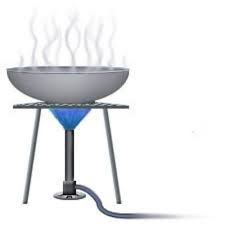
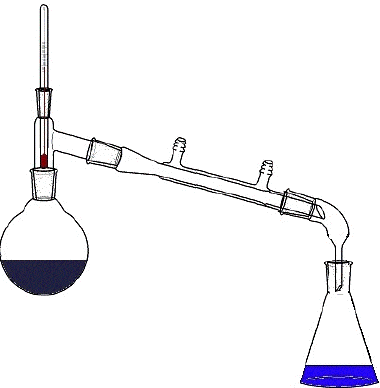
Name the separation technique shown in the diagram.
evaporation
distillation
filtration


In a coffee machine, the ground coffee is separated from the coffee solution by using..
sand paper
filter paper
toilet paper
tissue paper
James wants to seperate the salt from the water in his glass of salt water. What seperation method should James use?
Magnets
Evaporation
Filter
Using his hands
Nicole wants to dissolve a substance in water. Which substance will dissolve the easiest?
Rocks
sugar
pepper
sand

What mixture could you use this tool to best separate that mixture?
Sugar and Salt
Sand and rocks
Apples and grapes

This technique is based on the differences of the boiling point of the substance in the mixture.
decantation
distillation
filtration
chromatography

This type of paper allows liquid to pass through it. What tool is it?
sieve
filter

Sand and gravel may be separated from each other through using..
a filter funnel
a sieve
an evaporating basin
a distillation

If I pour sand and water onto a filter, what will happen?
water and sand will go through the filter
sand will get caught in the filter, water will pass through
both sand and water will get caught in the filter

How Would You Separate Strawberries From A Mixture Of Berries?
Handpicking
Decanting
Distillation
Filtration

A Insoluble Solute That Does Not Dissolve In A Solvent Is Known As A...
Suspense
Solution
Suspension
Solute

A Soluble Solute That Does Dissolve In A Solvent Is Known As A...
Solute
Suspension
Solution
Solid

A “Liquid” Is Also Known As...
Solid
Solute
Solvent
Solving
Two or more substances mingled together, but not chemically combined are known as a __________
residue
solution
distillate
mixture

To separate the sugar and lemonade, what method should you use?
filtration
hand separation
magnet
evaporation
Which method is usually used to separate coloured substances from each other?
Simple distillation
Evaporation
Chromatography
If you wanted to make pure drinking water from sea water, what process would you use?
Filtration
Distillation
Evaporation
Chromatography
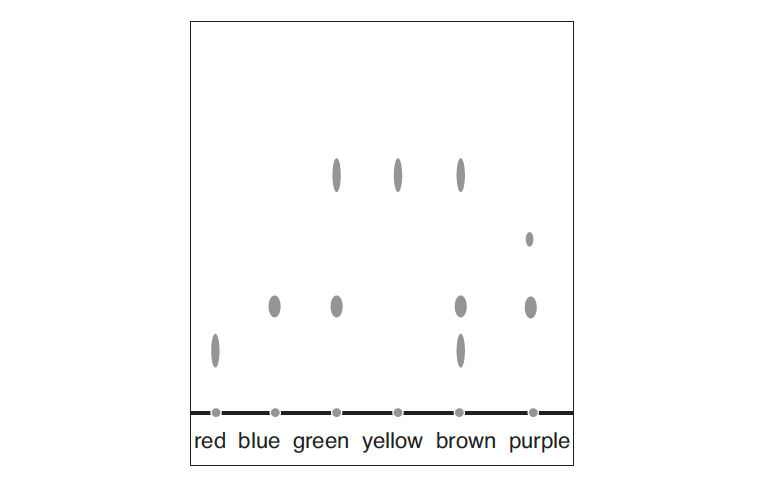
These are the results of a chromatography experiment.
Which colour has the most dyes in it?
blue
green
yellow
brown
purple
These are the results of a chromatography experiment.
Which dye appears in most colours?
blue
green
yellow
brown
purple
When you add salt to water:
the salt is the solvent.
the water is the solute.
the salt is the solute.
the water is the solution.
Filtering cannot be used to separate:
sand from a mixture of sand and water.
sugar from sugar solution.
tea leaves from a pot of tea.
leaves from a mixture of leaves and pond water.
You can tell if a solution is saturated because:
it will be transparent.
there will be bits of undissolved solid in it.
it will be coloured.
it will be hot.
Only 20 g of a salt will dissolve in 100 g of water at room temperature. If you use hot water instead:
less than 20 g will dissolve.
only 20 g will dissolve.
more than 20 g will dissolve.
no salt will dissolve.

Sand and gravel may be separated from each other through using..
a filter funnel
a sieve
an evaporating basin
a distillation


This method is utilized in industries like junkyards to remove metal scraps from other materials.
chromatography
physical manipulation
use of magnet
distillation

Liquids that do not mix may be separated by using..
an evaporating dish
a separating funnel
a loading
a sedimentation
If you had a salad you don't like the tomatoes in the salad, what method of separating would you use to take out the tomatoes?
sorting
filtering
using a magnet
evaporation

If you spilled nails in a sandbox, what separation tool/method could you use to clean out the sandbox so it would be safe for children to play in?
Filter
Screen
Magnet
Evaporation

Which of the following is a method of separating solutions?
hand seperation
filtering
screening
evaporation

The best way to separate trail mix would be:
filter
by hand
sieve
evaporation

What tool is this?
sieve
filter
This type of paper allows liquid to pass through it. What tool is it?
sieve
filter

A solution of salt and water was put over heat. What will happen next?
The salt will evaporate
the salt and water evaporate
the water will evaporate

This method is used in separating soluble solid from a liquid such as salt from water.
evaporation
distillation
decantation
filtration

