wayground logo

Free Printable Worksheets

NEW

Font size

S
M
L
XL
Worksheets

Water - The life-giving liquid

Total questions: 53

Worksheet time: 3hrs 32mins
Name
Class
Date
1.
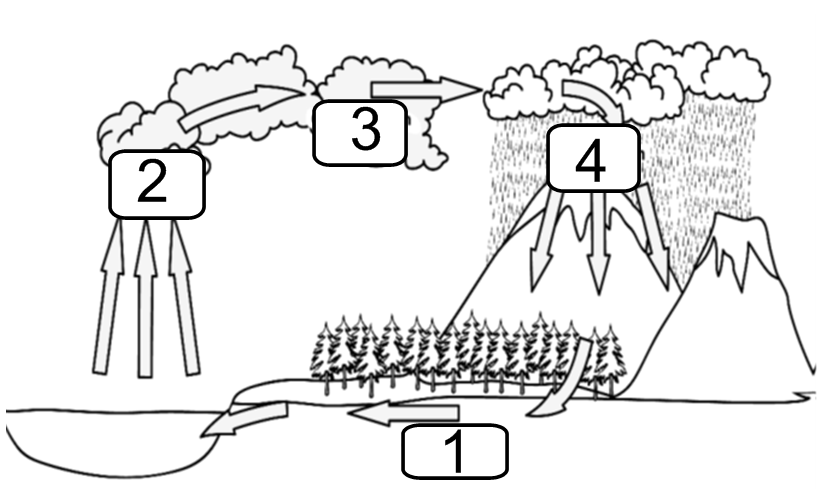
Which stage does the #2 show in the diagram?
a)
condensation
b)
evaporation
c)
precipitation
d)
run off
2.
what does the #4 show in the diagram?
a)
condensation
b)
evaporation
c)
precipitation
d)
run off
3.
Which stage does the #3 show in the diagram?
a)
condensation
b)
evaporation
c)
precipitation
d)
run off
4.

What role does the Sun play in the water cycle?

a)

The Sun splits the water molecules and they disappear

b)

The Sun causes clouds to form and they precipitate

c)

The Sun is not part of the water cycle

d)

The Sun causes water to change form and move

5.
What is evaporation?
a)
The part of the water cycle when the sun heats up water, turning it from a liquid into water vapor or steam. It rises from the ground into the air.
b)
The part of the water cycle when the water vapor in the air gets cold. The water turns back into a liquid and forms clouds.
c)
The part of the water cycle when clouds get heavy and can no longer hold the liquid water. This causes the water to fall from the sky to the earth as rain, snow, sleet, or hail.
6.

The Sun directly affects which of the following…

a)

Evaporation

b)

Condensation

c)

Precipitation

d)

Accumulation

7.
What is it called when plants give off water vapor as a waste product?
a)
condensation
b)
evaporation
c)
sublimation
d)
transpiration
8.
What is A? 
a)
Solid 
b)
Liquid
c)
Gas
9.
What is B? 
a)
Solid 
b)
Liquid
c)
Gas
10.
What is C? 
a)
Solid 
b)
Liquid
c)
Gas
11.
Precipitation happens when clouds of water droplets are too ______________.
a)
cold
b)
light
c)
heavy
d)
hot
12.
What is water doing when it is changed to water vapor?
a)
evaporating
b)
condensing
c)
precipitating
d)
runoff
13.
What is water vapor doing when it changes to water?
a)
evaporating
b)
condensing
c)
precipitating
d)
runoff
14.
What is the water cycle?
a)
the 3 forms of water
b)
the movement of water on, above, or below the surface of the Earth
c)
when water melts
d)
when clouds form
15.
Which source of freshwater is not easily available for human use?
a)
oceans
b)
freshwater lakes
c)
rivers
d)
icecaps/glaciers
16.
Which BEST describes how the total amount of water present in the hydrosphere varies over time?
a)
The total amount of water in the hydrosphere decreases over time due to the process of evaporation.
b)
The total amount of water in the hydrosphere remains the same over time, but changes form due to the water cycle.
c)
The total amount of water in the hydrosphere increases over time due to the process of precipitation.
d)
The total amount of water in the hydrosphere both decreases and increases over time due to competing processes such as evaporation and precipitation.
17.
What two elements make up water?
a)
Helium and oxygen
b)
Hydrogen and oxygen
c)
helium and carbon
d)
oxygen and carbon
18.
Why does ice float?
a)
As water freezes, it expands and its density decreases.
b)
As water freezes, it takes up more hydrogen from the atmosphere, causing it to have a greater buoyancy.
c)
As water freezes, air becomes trapped between the hydrogen bonds of water molecules.
d)
As water freezes, it takes up more oxygen from the atmosphere, causing it to have a greater buoyancy.
19.
Water is a universal solvent because it...
a)
It can be found anywhere
b)
It freezes when it gets cold
c)
floats when frozen
d)
Dissolves most substances
20.

Snow, sleet, hail, and rain are all examples of ________________. 

a)

evaporation

b)

condensation

c)

accumulation

d)

precipitation

21.
- 4°C
a)
solid
b)
liquid
c)
gas
22.
105°C
a)
solid
b)
liquid
c)
gas
23.
2°C
a)
solid
b)
liquid
c)
gas
24.
115°C
a)
solid
b)
liquid
c)
gas
25.
101°C
a)
solid
b)
liquid
c)
gas
26.
0°C
a)
solid
b)
liquid
c)
gas
27.
99°C
a)
solid
b)
liquid
c)
gas
28.

The amount of water vapor in the air

a)

condensation

b)

Precipitation

c)

Saturated

d)

Humidity

29.

The temperature at which a substance changes from a liquid to a solid (for water, this is 0 degrees Celsius, 32 degrees Fahrenheit)

a)

freezing point

b)

boiling point

c)

melting point

d)

evaporation

30.

The temperature at which a substance changes from liquid to gas (for water this is 100 degrees Celsius, 212 degrees Fahrenheit)

a)

boiling point

b)

melting point

c)

evaporation

d)

condensation

31.
What is the boiling point of water
a)
0 C
b)
100 F
c)
50 C
d)
100 C
32.
What is water's freezing point?
a)
0 F
b)
32 C
c)
50 C
d)
0 C
33.
How much of Earth's water is salt water?
a)
50%
b)
66%
c)
75%
d)
97%
34.
Frozen water is in what state of water?
a)
solid
b)
plasma
c)
liquid
d)
gas
35.

What molecule is this?

a)

calcium

b)

hydrogen

c)

helium

d)

water

36.

What substance can water dissolve?

a)

wax

b)

butter

c)

oil

d)

salt

37.
An _______ is a very large body of salt water.
a)
ocean
b)
lake
c)
stream
d)
river
38.
Why should you NOT drink the water in an ocean?
a)
It isn't clear.
b)
It is salt water
c)
It is too hot.
d)
There are fish in it.
39.
The two kinds of water Earth has are ___________ and salt water.
a)
animals
b)
plants
c)
air
d)
fresh water
40.
What happens to water that falls to the ground?
a)
It makes puddles.
b)
It runs into rivers.
c)
It collects in lakes and oceans.
d)
All of the choices.
41.
A ________ is moving, or flowing, water that empties into a body of water such as a lake or ocean.
a)
ocean
b)
stream
c)
river
d)
lake
42.
Where is most of the freshwater found on Earth?
a)
lakes
b)
glaciers/ icecaps
c)
oceans
d)
rivers
43.
What is the water that fills the cracks and spaces in underground soil and rock layers called?
a)
Groundwater
b)
Water Table
c)
Precipitation
d)
Snow
44.
A sheet of ice that moves slowly over land is a(n)
a)
glacier
b)
iceberg
c)
ice cap
d)
ice sheet
45.

What is nonpotable water?

a)

drinking water

b)

nondrinking water

c)

water from the central sewers

46.

Water is used to put out fire.

a)

True

b)

False

47.

Plants and Animals also need water to live.

a)

True

b)

False

48.

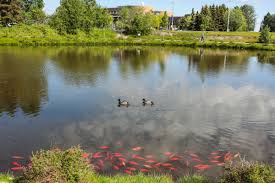
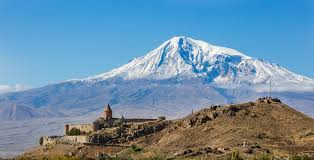
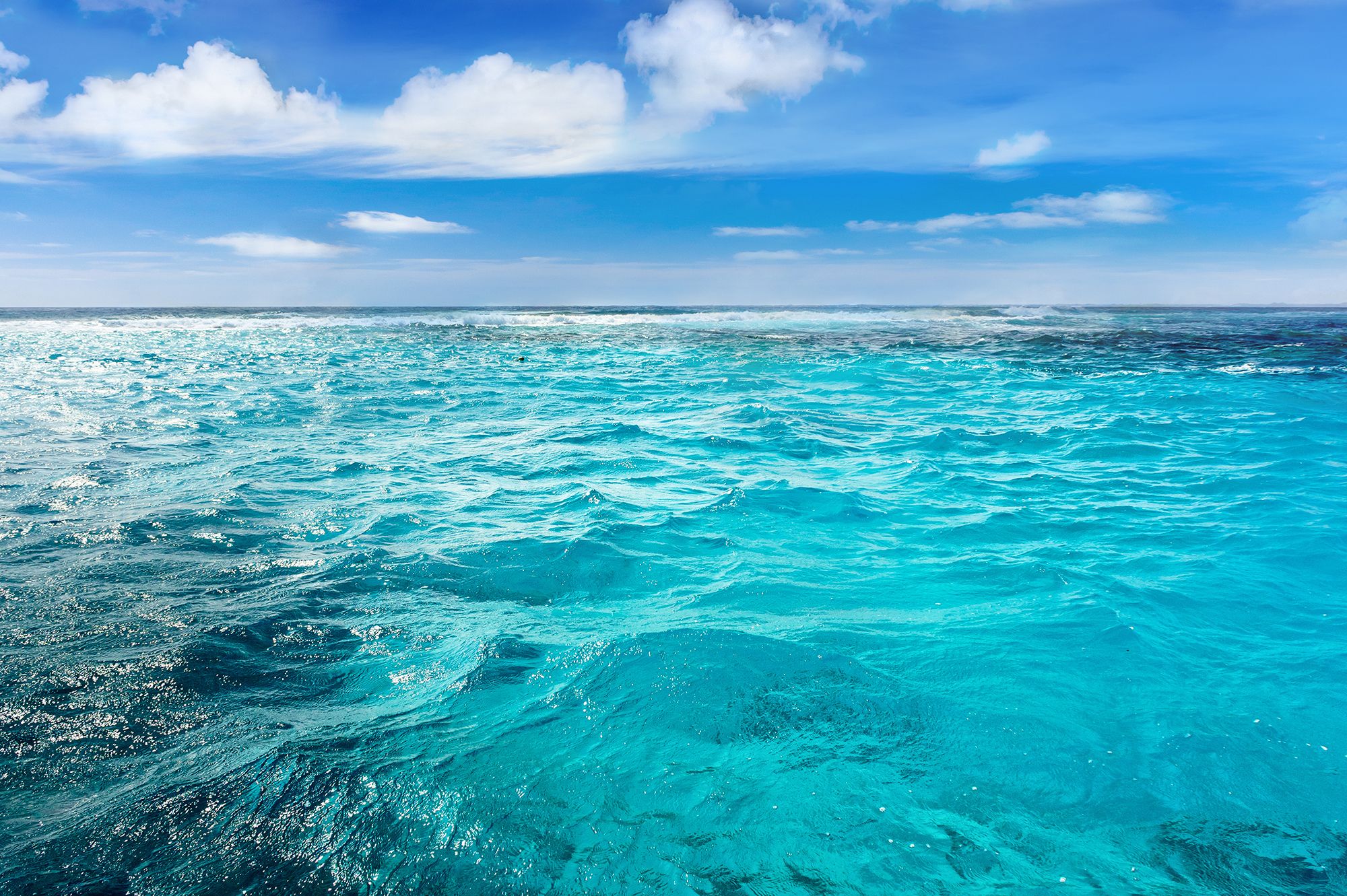
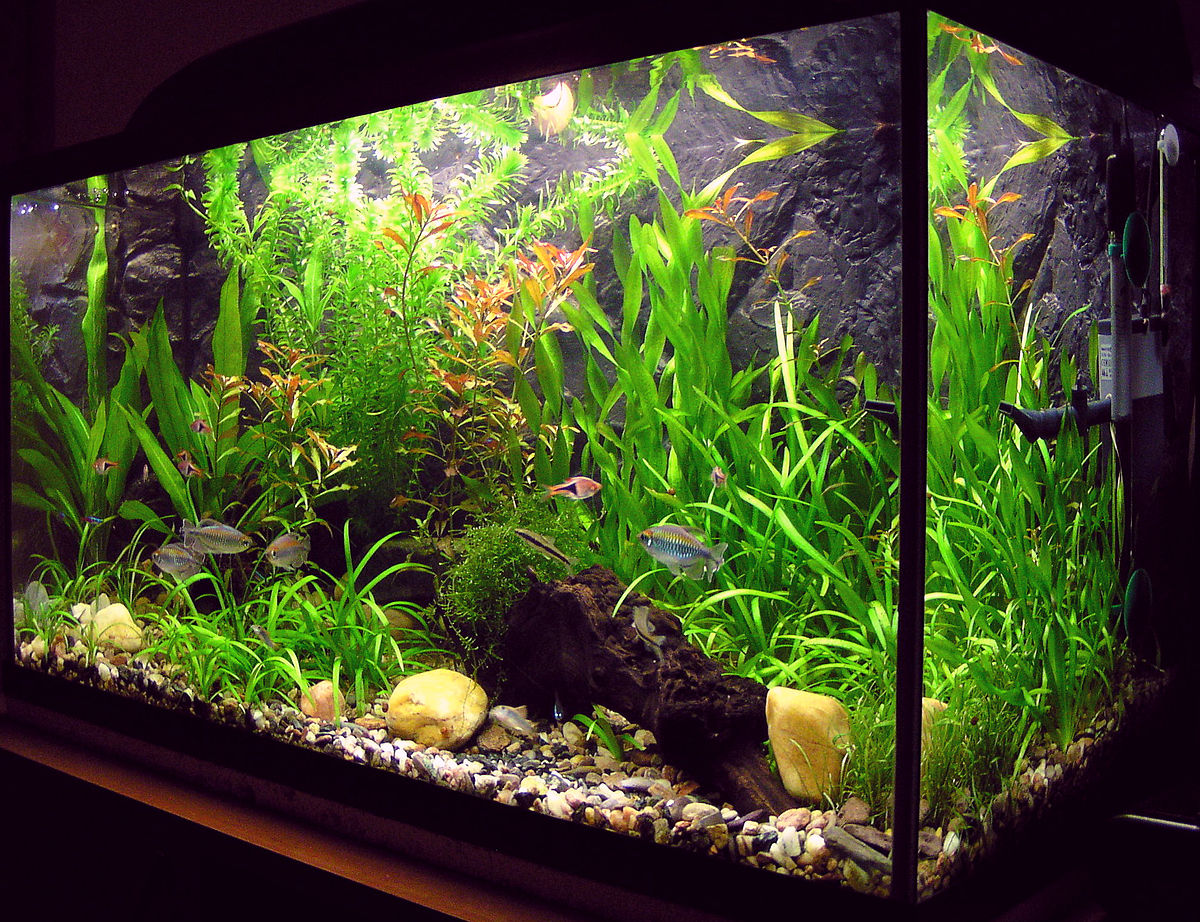
This is a picture of a pond.

a)
b)
c)
d)
49.
Which of the following is a way of conserving water?
a)
Leave the tap running while brushing teeth
b)
Use a hose to wash the car
c)
Use the washing machine at full load
d)
Leave the shower running while soaping
50.
Why do we need to conserve water?
a)
It is an unlimited resource. 
b)
It is a limited resource. 
c)
There is a lot of water. 
d)
There is no need to conserve water.
51.
When is the best time of day to water your lawn?
a)
Early morning or late evening
b)
In the afternoon
c)
All day long
d)
At night
52.
What state of matter does this picture show?
a)
Liquid
b)
Gas
c)
Solid
d)
Matter
53.
What state of matter does this picture show?
a)
Gas
b)
Solid
c)
Matter
d)
Liquid