Wayground logo

Free Printable Worksheets

Font size

S
M
L
XL
Worksheets

Clouds and Precipitation

Total questions: 35

Worksheet time: 29mins
Name
Class
Date
1.
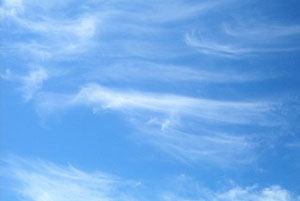
This type of cloud is thin, wispy, and made of ice crystals
a)
cumulus cloud
b)
stratus cloud
c)
cirrus cloud
d)
cumulonimbus cloud
2.
This type of cloud is flat layers and the edges are not clearly defined
a)
cirrus cloud
b)
cumulus cloud
c)
stratus cloud
d)
cumulonimbus cloud
3.
Nimbostratus and cumulonimbus clouds can signal what type of upcoming weather?
a)
fair skies
b)
hot, sunny weather
c)
windy weather
d)
rainy weather
4.
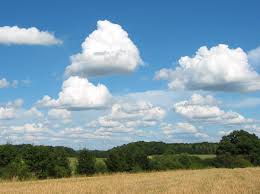
what type of cloud is shown?
a)
cumulus
b)
cirrus
c)
stratus
5.
They are highest clouds in the sky. They look curly, white and feathery. Usually mean good weather.
a)
Cumulus
b)
Cumulonimbus
c)
Cirrus
d)
Stratus
6.
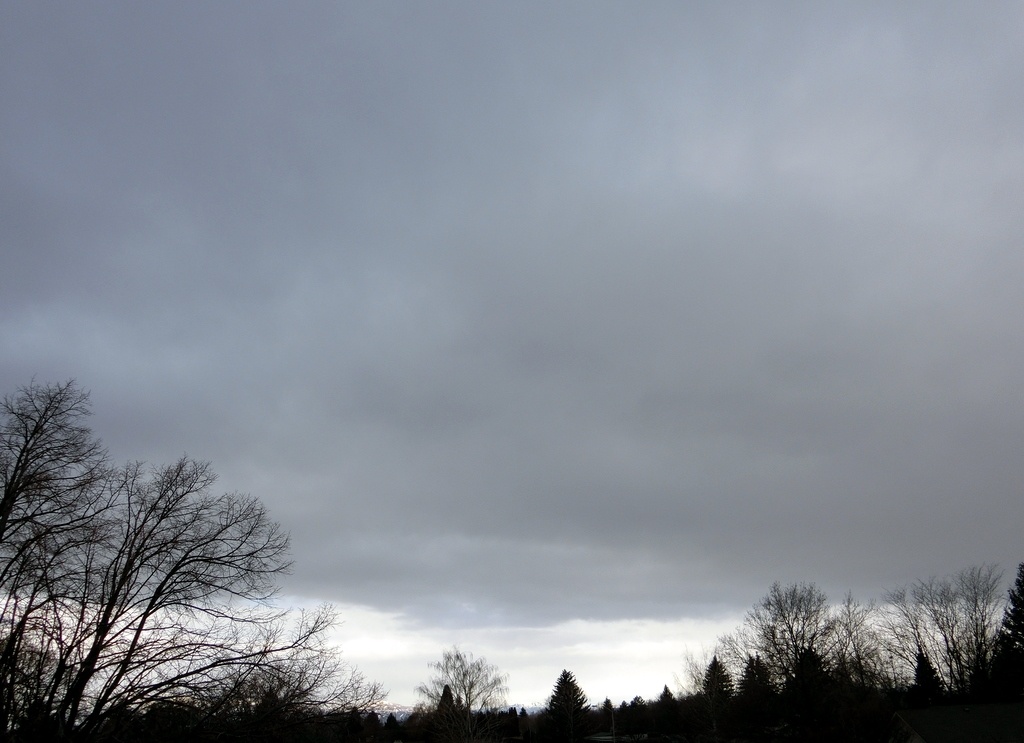
What type of cloud is this?
a)
Cumulonimbus
b)
Cirrus
c)
Nimbus
d)
Stratus
7.

What type of cloud is this? Made of ice crystals, signals snow; high puffy clouds

a)

Cirrocumulus

b)

Altocumulus

c)

Cirrostratus

d)

Altostratus

8.
What type of cloud is this? Middle altitude, flat layer
a)
Altostratus
b)
Cumulonimbus
c)
Altocumulus
d)
Stratocumulus
9.

What type of cloud is this? Causes rain or snow showers

a)

Nimbostratus

b)

Fog

c)

Cirrcocumulus

d)

Cirrostratus

10.
The only cloud that can produce thunder, lighting and hail
a)
nimbostratus
b)
cirrus
c)
cumulonimbus
d)
stratocumulus
11.
Clouds are made up of tiny drops of ______ or ice. The moisture in the cloud affects the weather.
a)
dust
b)
water
c)
cloud particles
d)
precipitation
12.
How do clouds form?
a)
Liquid water is heated and evaporates and becomes water vapor in the atmosphere.
b)
Water vapor in the atmosphere cools and condenses to become tiny liquid water droplets in the atmosphere.
c)
Tiny liquid water droplets float upwards and gather together in the atmosphere to form a cloud.
13.
Which cloud is this?
a)
cumulus
b)
cumulonimbus
c)
cirrus
d)
stratus
14.
Clouds with the prefix alto- are found where in the troposphere?
a)
High
b)
Middle
c)
Low
d)
Very Low
15.
Clouds form in which step of the Water Cycle?
a)
Evaporation
b)
Condensation 
c)
Precipitation 
d)
Run Off
16.
Which layer of the atmosphere is closest to the surface of the Earth and it is where all weather occurs?
a)
Thermosphere  
b)
Mesosphere
c)
Stratosphere 
d)
Troposphere 
17.
Which of these is  the part of the water cycle  where  water is released from clouds in the form of rain, freezing rain, sleet, snow, or hail?
a)
Precipitation 
b)
Transpiration 
c)
Condensation 
d)
Evaporation 
18.

Clouds are formed by the process of ______________________.

a)

precipitation

b)

evaporation

c)

condensation

d)

collection

19.
For snow to fall, the air temperature must be what?
a)
Above 0 degrees celsius
b)
Below 0 degrees celsius
c)
Freezing
d)
Warmer at the ground than high in the air
20.
What kind of precipitation is formed when water falls from the clouds and lands on the ground as liquid water?
a)
Hail
b)
Sleet
c)
Rain
d)
Snow
21.
How is sleet formed?
a)
Snowflakes fall, go through an area of cold air and turns into sleet before hitting the ground
b)
Rain falls, freezes in an area of cold air above the ground to make sleet
c)
Snowflakes fall and are melted a bit by warm air near the ground
d)
Sleet is not real
22.
If snowflakes fall from the sky, pass through an area of warm air, melt and fall to the ground as a liquid, what kind of precipitation is it?
a)
Snow
b)
Rain
c)
Sleet
d)
Hail
23.

What is precipitation?

a)

solids falling from the sky

b)

precipitation

c)

any form of water that falls from clouds and reaches earth's surface

d)

liquids falling from the sky

24.

Which of the following shows a picture of hail?

a)
b)
c)
d)
25.
What is C?
a)
Evaporation
b)
Condensation
c)
Precipitation
d)
Runoff
26.

What are clouds made up of?

a)

water droplets or ice crystals

b)

gas

c)

air

d)

soil

27.

What does the word CONDENSE mean?

a)

To change from a liquid to a solid.

b)

To change from a liquid to a gas.

c)

To change from a gas to a liquid.

d)

It doesn't change.

28.

Clouds start with ____ near Earth's surface and this warm air rises.

a)

rain

b)

no air

c)

cold air

d)

warm air

29.

As the air rises, it moves into a _____ part of the atmosphere.

a)

cooler

b)

hotter

c)

wetter

d)

drier

30.

What effect does the sun have on surface water?

a)

It causes it to boil

b)

It causes it to rain

c)

It causes it to sink

d)

It causes it to evaporate

31.
What is water that flows in rivers and streams into the oceans and lakes?
a)
evaporating
b)
condensing
c)
precipitating
d)
runoff
32.

The process when plants release water vapor from their leaves is called _____________.

a)

precipitation

b)

evaporation

c)

transpiration

d)

condensation

33.

What step of the water cycle does this picture show?

a)

Condensation

b)

Runoff

c)

Precipitation

d)

Evaporation

34.

Which of the following drive the movement of water in the water cycle? (choose all that apply)

a)

sunlight

b)

transpiration

c)

gravity

d)

evaporation

35.

____ happens when liquid turns into a gas on Earth's surface

a)

evaporation

b)

condensation

c)

respiration

d)

transpiration