Wayground logo

Free Printable Worksheets

Font size

S
M
L
XL
Worksheets

Separation of Substances

Total questions: 20

Worksheet time: 13mins

Name
Class
Date
1.

The process of settling down of particles of a solid in a liquid is

a)

Sublimation

b)

Sedimentation

c)

Filtration

d)

Decantation

2.

The solubility ____________ with increase in temperature.

a)

doesn't change

b)

decreases

c)

increases

3.

While preparing chapatis, Paheli found that the flour to be used was mixed with wheat grains. Which out of the following is the most suitable method to separate the grains from the flour?

a)

Threshing

b)

Sieving

c)

Winnowing

d)

Filtration

4.

What is the process that is used to separate grains from stalks called?

a)

handpicking

b)

threshing

c)

sieving

d)

winnowing

5.

When is the solution saturated?

a)

No more salt can be dissolved in the amount of water we have taken

b)

Lot more salt can be added

c)

You have to add some sugar into the solution

d)

None of the above

6.
The diagram shows the apparatus for separating soil and water. What are the labelled parts?
a)
A = distillate, B = filtrate
b)
A = filtrate, B = residue
c)
A = residue, B = filtrate
d)
A = residue, B = distillate
7.

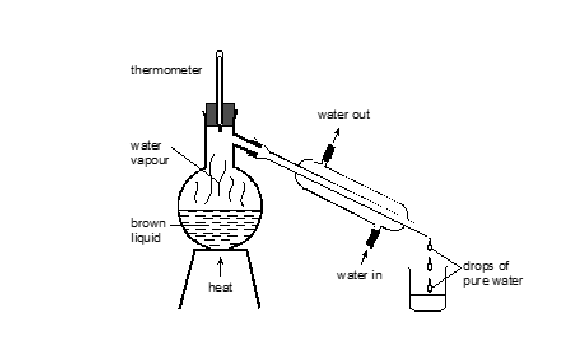
Which separation technique uses the apparatus shown in the diagram?

a)

filtration

b)

evaporation

c)

distillation

d)

chromatography

8.
What is the boiling point of water?
a)
0oC
b)
100oC
c)
80oC
d)
95oC
9.
Filtration can be used to separate...
a)
an insoluble solid from a solution
b)
a soluble solid from a solution
c)
a dissolved solid from a solution
10.

What separation technique does the picture show?

a)

Sieving

b)

filtering

c)

magnetic separation

d)

Distillation

11.

Sawdust is not soluble in water. If, accidentally some particles of sawdust drop into a glass of water. How would you separate them from water?

a)

Decanting

b)

Filtering

c)

Sieving

d)

Distillation

12.

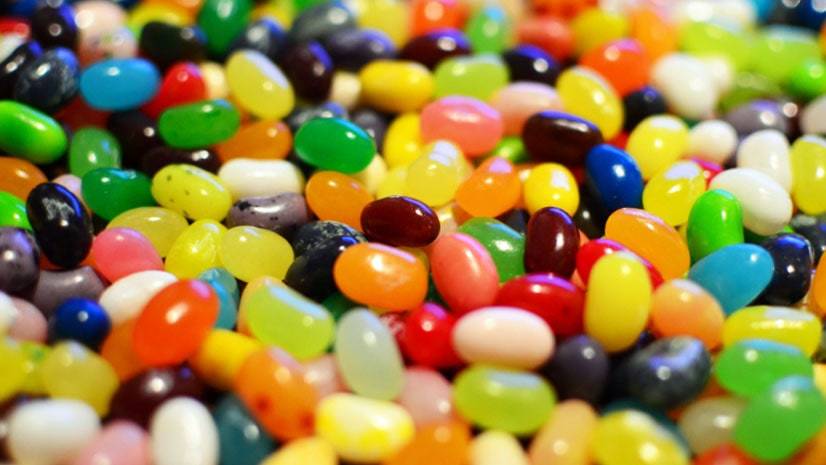
You had these materials together but after performing a separation technique, you have these five groups. Which separation technique did you use?

a)

Distillation

b)

Decanting

c)

Paper chromatography

d)

Sieving

13.
Which technique is shown the diagram below
a)
seiving
b)
filtration
c)
decanting
d)
crystallization
14.
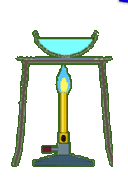
Which one of the following is the name for separation technique in the picture below
a)
distillation
b)
dissolving
c)
evaporation
d)
decanting
15.
An example of a mixture is 
a)
Water and oil
b)
Cereal and Milk 
c)
Sand and water 
d)
All of the above
16.
The drops of water that appear on the outside of a glass of cold water on a warm day are an example of?
a)
sublimation
b)
condensation
c)
evaporation
17.
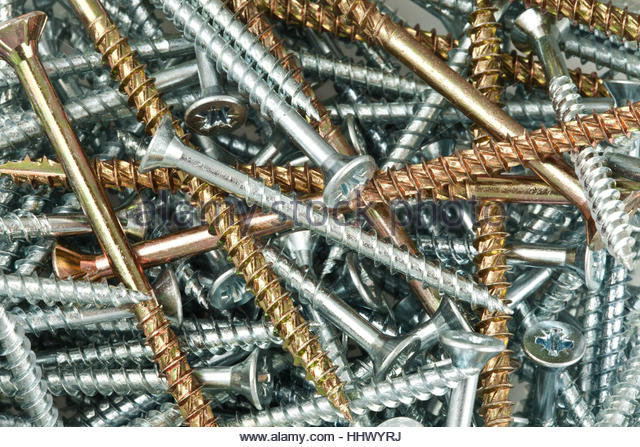
Iron and copper screws could be separated using a magnet because
a)
iron is magnetic, copper is not
b)
copper is magnetic, iron is not
c)
neither metal is magnetic
d)
copper screws are heavier than iron and fall off the magnet
18.
What is a mixture?
a)
A chemical combination of two or more different substances.
b)
A physical combination of two or more different substances.
c)
A chemically pure substance.
d)
A special type of solution
19.

What is the purpose of Filtration?

a)

Separating and insoluble solid from a liquid

b)

Separation of a mixture of 2 solids

c)

Separates heavier substances from a suspension

20.

Which of the following is essential to perform winnowing activity?

a)

Wind

b)

Water

c)

Magnet

d)

Filter paper