
 Worksheets
Ecology Part 2
Total questions: 17
Worksheet time: 33mins
Name
Class
Date
1.
Where does the energy from an ecosystem come from?
a)
Trees
b)
Sun
c)
Plants
d)
Water
2.
Biodiversity, aka biological diversity, usually refers to
a)
the same species in a general location
b)
the number of different species in a given area
c)
the number of animal species in a given area
d)
the number of plant species in a given area
3.

Which biome is more likely to survive a change in the environment?
a)
High (rich) biodiversity
b)
Low (poor) biodiversity
4.
How can humans best help an endangered species avoid extinction?
a)
they can feed the animals
b)
they can put the animals in a zoo
c)
they can protect the animal’s habitat
d)
they can take the animal to new habitats
5.
In what way are humans most impacting the biodiversity of ecosystems around the world?
a)
a. We are putting too many organisms in zoos or keeping them as pets
b)
b. We are increasing biodiversity by breeding new species
c)
c. We are destroying the habitats of a large number of species
d)
d. Recreational hunting
6.
If the number of births in a population is the same as the number of deaths in a population, what will happen to the growth of the population?
a)
It will increase.
b)
It will decrease.
c)
It will stay the same.
d)
It will fluctuate.
7.
Largest number of individuals of a population that the environment can support...
a)
carrying capacity
b)
population crash
c)
lag phase
d)
mutualism
8.
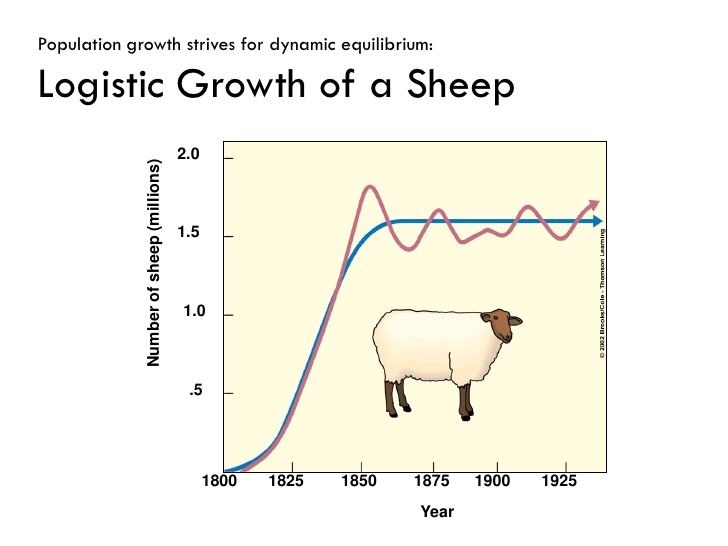
What is the carrying capacity for this sheep population?
a)
1.8 million
b)
1.25 million
c)
1.6 million
d)
1.o million
9.
Food, water, sunlight, shelter, and space are resources that are often __________.
a)
limiting factors
b)
wet
c)
messy
d)
found in rocks
10.

which statement sounds accurate based on the graph data.
a)
The zebra and lions do not affect each other
b)
when lions population increases, so does the zebra population
c)
When the zebra population increases, it causes the lion population to also increase
d)
when zebra populations go down, the zebra population goes up.
11.

Cattle egrets forage (feed) in fields among cattle. The egret gets easy access to flying insects stirred up by the cattle, and the cattle don't care if they are there or not.
a)
mutualism
b)
commensalism
c)
competition
d)
parasitism
12.
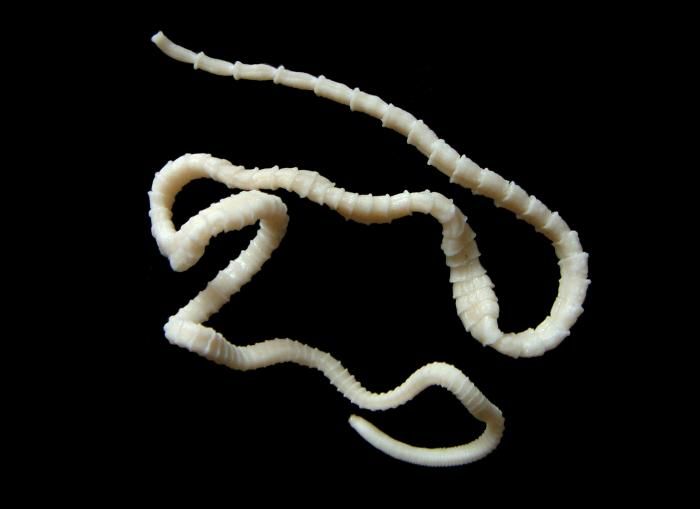
A tapeworm and a cat have this type of relationship.
a)
mutualism
b)
parasitism
c)
commensalism
d)
competition
13.
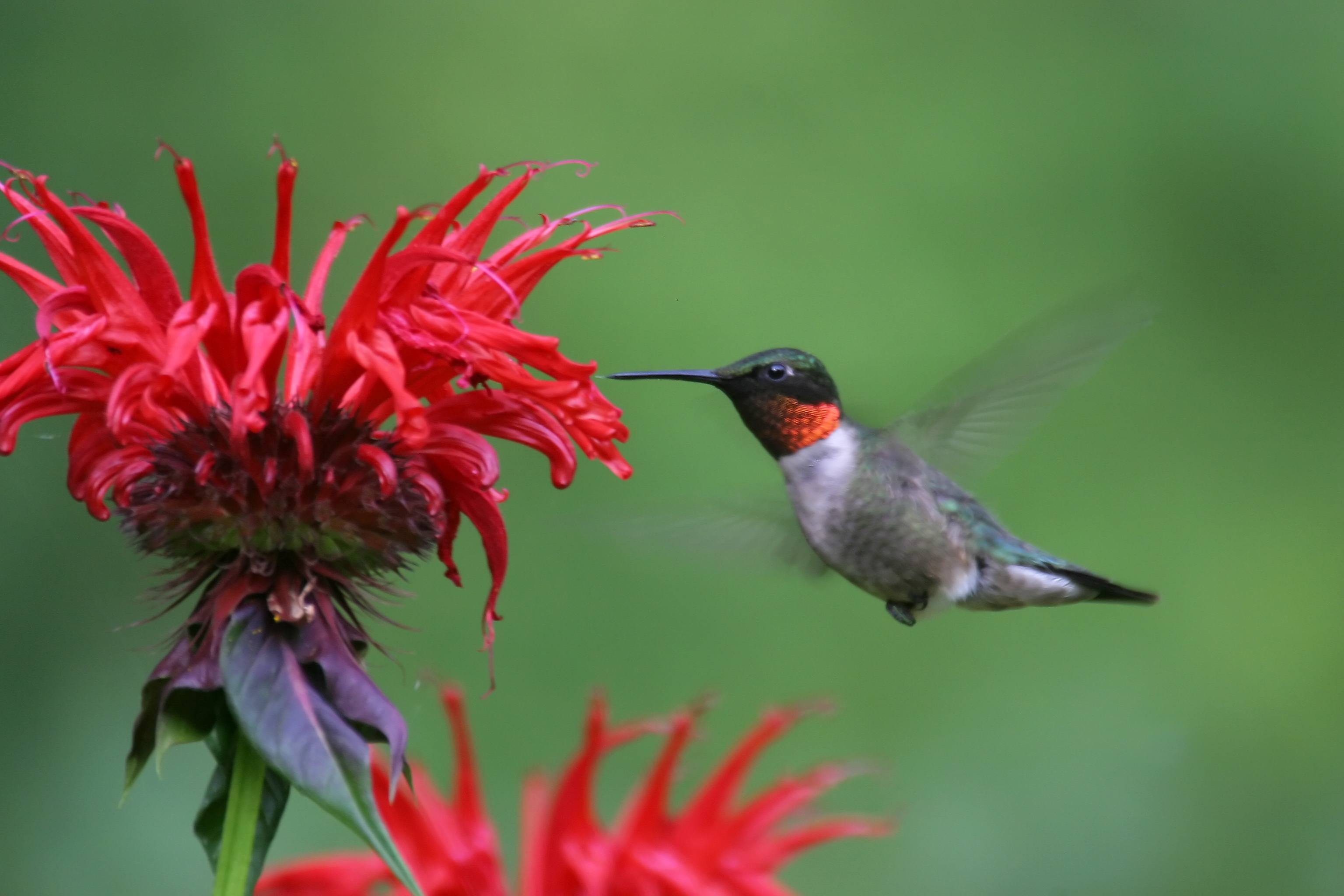
What type of symbiosis? Hummingbirds feed on nectar from flowers. The flowers are pollinated by hummingbirds as they move from flower to flower.
a)
commensalism
b)
mutualism
c)
parasitism
d)
predation
14.
What is formed during primary succession that doesn't need to be formed during secondary succession?
a)
pioneer species
b)
soil
c)
climax community
d)
lichens
15.

What type of succession is shown going from figure A to figure B?
a)
primary succession
b)
eutrophication
c)
secondary succession
d)
intermediate
16.
Breaking News! A new island has formed off of Hawaii! What must occur for it to become an ecosystem?
a)
Secondary Succession
b)
Aquatic succession
c)
Primary Succession
d)
Ferns must grow
17.
How do lichens contribute to primary succession?
a)
Lichens decompose organic matter from animals and plants
b)
Lichens begin to break down rock to form soil
c)
Lichens are nitrogen fixing bacteria
d)
Lichens convert carbohydrates into fossil fuels.
100 %

