wayground logo

Free Printable Worksheets

NEW

Font size

S
M
L
XL
Worksheets

Community Ecology AP BIO Review

Total questions: 40

Worksheet time: 1hrs 8mins
Name
Class
Date
1.

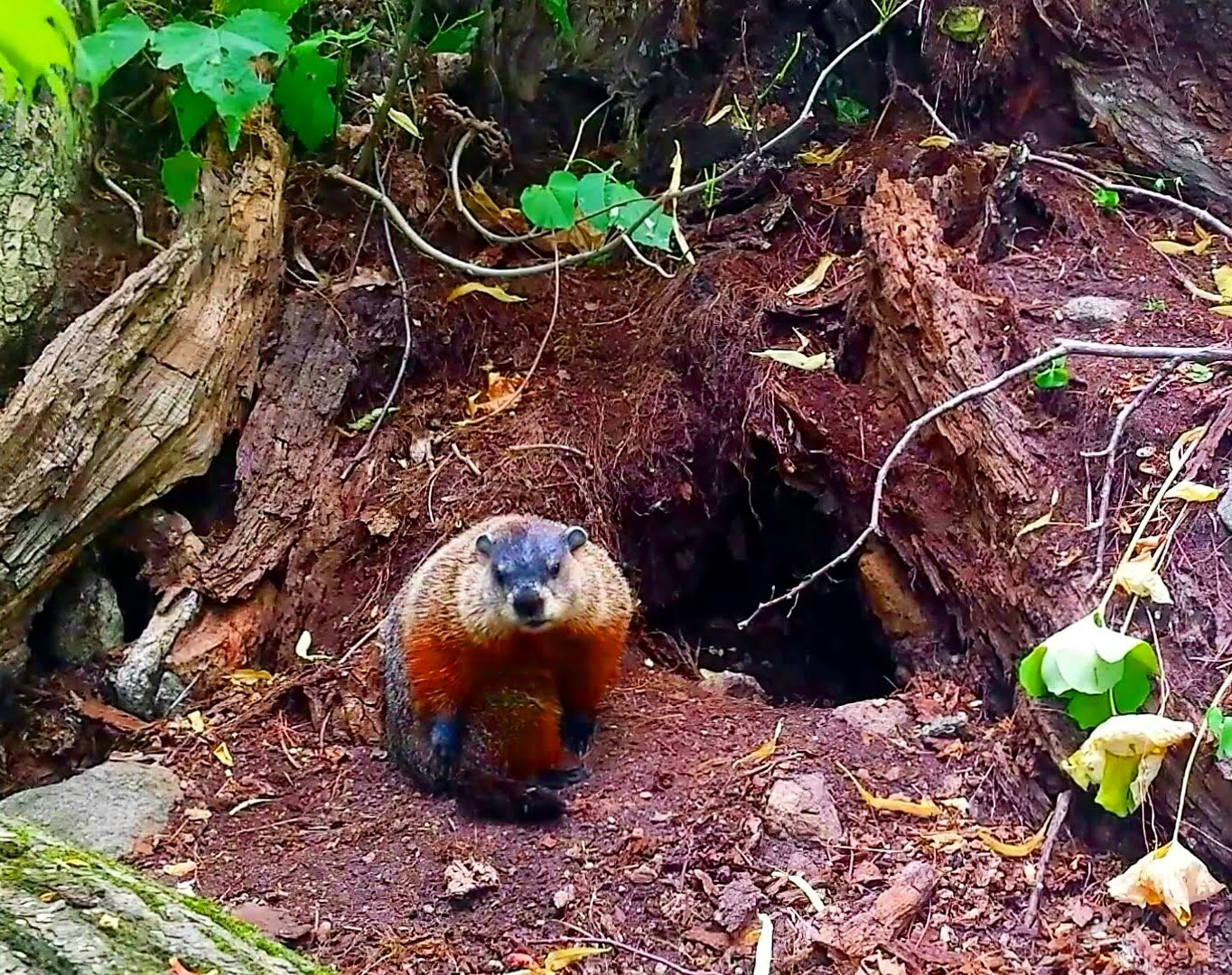
Type of symbiosis: Skunks often live in burrows that have been dug and abandoned by woodchucks.

a)

commensalism

b)

mutualism

c)

parasitism

d)

predation

2.
A human & a Tape Worm: The tape worm gets a place to live in the intestines of the human and food from the human. The human loses weight and nutrients from the tape worm.
a)
Mutualism
b)
Commensalism
c)
Parasitism
3.
Bees use flower nectar for food, and they carry flower pollen to other flowers, allowing the flower to reproduce.
a)
Mutualism
b)
Commensalism
c)
Parasitism
4.
Starfish are probably the most important predator in the shallow ecosystem because they eat basically anything that they can come across. Their feeding activities control the whole ecosystem. This is an example of the starfish ___.
a)
habitat
b)
biotic factors
c)
tolerance level
d)
niche
5.
Tree kangaroos live in the upper branches of trees in the rainforests of Queensland, as well as on the island of New Guinea. This is an example of the tree kangaroos ___.
a)
niche
b)
habitat
c)
community
d)
population
6.
A relationship in which two species live closely together.
a)
resource
b)
mutualism
c)
succession
d)
symbiosis
7.
What is the name of an animal that is hunted and eaten by other animals?
a)
producer
b)
prey
c)
predator
d)
decomposer
8.
All the different populations that live together in an area make up a(n)
a)
community.
b)
ecosystem.
c)
organism.
d)
species.
9.
Several species of warblers can live in the same spruce tree ONLY because they
a)
have different habitats within the tree.
b)
don’t eat food from the tree.
c)
occupy different niches within the tree.
d)
can find different temperatures within the tree.
10.

A symbiotic relationship in which one organism is harmed and another benefits is

a)

mutualism

b)

parasitism.

c)

commensalism.

d)

predation.

11.
All of the following statements concerning characteristics of predator-prey relationship are correct EXCEPT:
a)
Camouflage is an adaptation that protects prey.
b)
A rise in the population of predators is followed by a decreased in the population of prey.
c)
A rise in the population of prey is often followed by a rise in the population of predators.
d)
The population of predators most often eliminates the population of prey
12.
When two species of cattails are grown together, they grow at different water depths and coexist.  When grown alone, they grow at similar water depths.  Which of the following is best demonstrated by the data?
a)
natural selection
b)
character displacement
c)
resource partitioning
d)
ecological succession
13.

Organisms that “fight” for limited resources such as food, water or mates. It can be between organisms from different species or between organisms of the same species.

a)

Predator-Prey

b)

Mutualism

c)

Competition

d)

Parasitism

14.
Succession that occurs after a fire in an ecosystem is called __________________________.
a)
primary successin
b)
flame succession
c)
secondary succession
d)
climax succession
15.
The following natural events will cause primary succession to occur:
a)
floods and hurricanes
b)
wildfires and controlled burns
c)
tsunamis and tornadoes
d)
glacier movement and volcanoes
16.
In ecology, succession refers to:
a)
balance of power
b)
survival of the fittest
c)
natural selection
d)
gradual development or regrowth of an environment
17.
A pioneer species such as _________________ are a combination of algae and fungus that grow on bare rock.
a)
mistletoe
b)
lichens
c)
legume
d)
mushrooms
18.
How do lichens contribute to primary succession?
a)
Lichens decompose organic matter from animals and plants
b)
Lichens begin to break down rock to form soil
c)
Lichens are nitrogen fixing bacteria
d)
Lichens convert carbohydrates into fossil fuels.
19.
Natural disasters such as flooding and tornadoes are linked to ________________.
a)
primary
b)
secondary
c)
old field
d)
ecosystem
20.
The final stable community that is made up of mature, hardwood trees is called:
a)
pioneer community
b)
farmland
c)
climax community
d)
old field
21.
Where does most primary succession take place in the United States?
a)
Hawaii
b)
Florida
c)
Europe
d)
Old farms
22.
Bird & Tree: A bird builds a nest in a hole in the trunk of the tree. It is protected from the rain and predators. The tree is not harmed or helped by the bird.
a)
Mutualism
b)
Commensalism
c)
Parasitism
23.
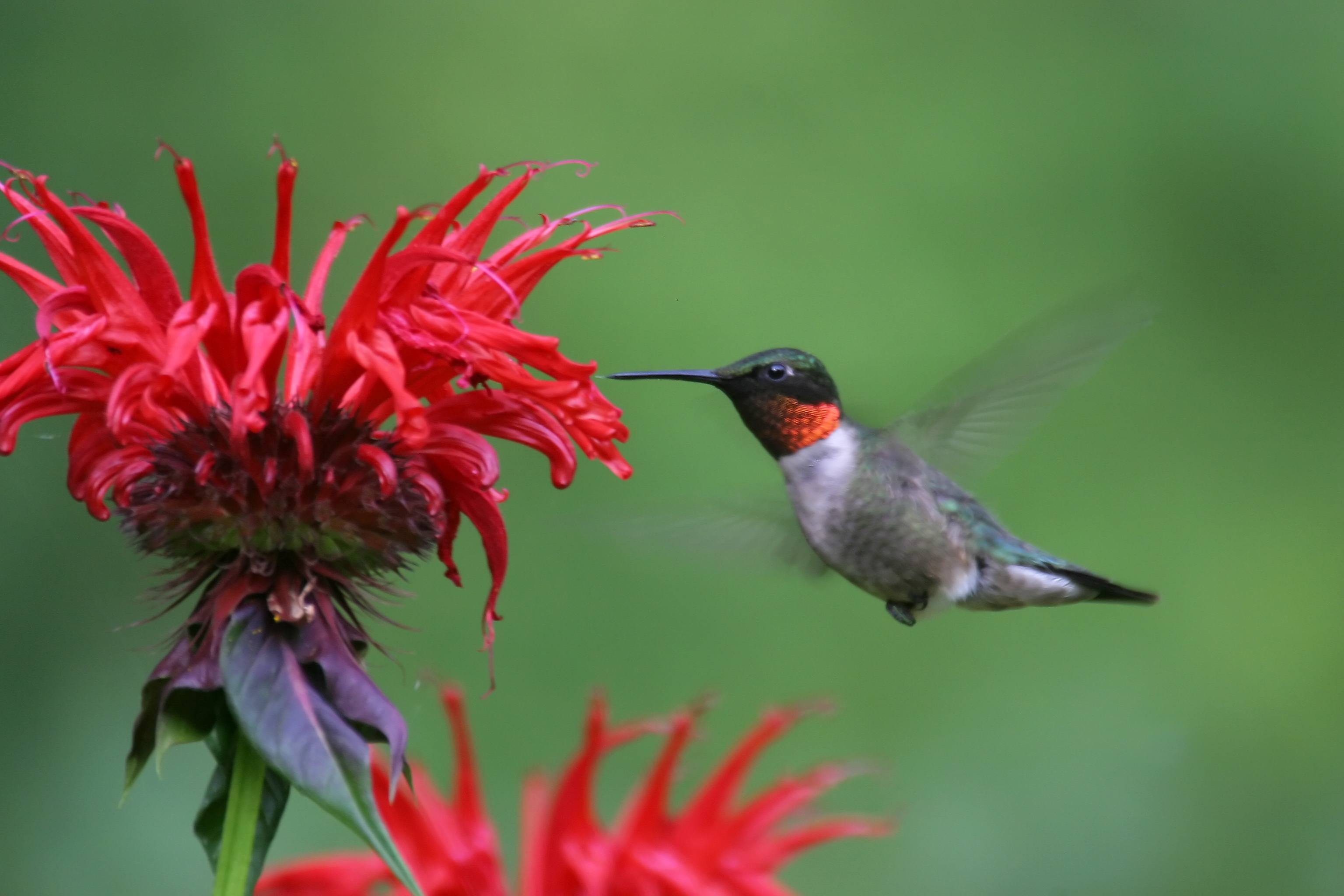
What type of symbiosis?  Hummingbirds feed on nectar from flowers.  The flowers are pollinated by hummingbirds as they move from flower to flower.
a)
commensalism
b)
mutualism
c)
parasitism
d)
predation
24.
The concept that predators can affect the size and distribution of other animals is known as 
a)
predation
b)
herbivory
c)
tolerance
d)
limitation
25.

Which statement best describes the relationship between species A and B?

a)

Species A is the prey of Species B

b)

Species A is a parasite of Species B

c)

Species A is a consumer and B is a producer

d)

Species A and B has a mutualistic relationship

26.
Rabbits and deer eat lettuce leaves from a garden.
What ecological interaction describes the relationship between rabbits and deer?
a)
Mutualism
b)
Competition
c)
Commensalism
d)
Predation
27.
What is the order of succession shown in this figure?
a)
A, B, C, D
b)
B, A, D, C
c)
C, D, A, B
d)
D, A, B, C
28.
___ states that two species cannot exist together if they compete for the same resources. One will either die out or migrate, or they will adapt to separate resources.
a)
Hardy-Weinberg Principle
b)
Limiting Nutrient Principle
c)
Competitive Exclusion Principle
d)
Tolerance Principle
29.
Name the species interaction: A decorator crab camouflages itself with sponges. Sponges are unaffected. 
a)
competition 
b)
predation
c)
commensalism
d)
mutualism 
30.
Resource partitioning is best described by which of the following statements?
a)
Competitive exclusion results in the success of the superior species.
b)
Slight variation in niche allows closely related species to coexist.
c)
Two species can coevolve and share the same niche.
d)
Species diversity is maintained by switching between prey species.
31.
Character displacement has occurred if:
a)
Two species in the same habitat evolve to be more different than if they are in different habitats.
b)
One species chases the other out of the habitat they previously shared.
c)
A characteristic is lost when an organism migrates into a new area.
d)
A characteristic lost by one species is adopted by another.
32.
Evidence shows that some grasses benefit from being grazed. Which of the following terms would best describe this plant-herbivore interaction?
a)
Mutualism
b)
Commensalism
c)
Parasitism
d)
Competition
33.
When a pine tree grows real tall and blocks sunlight to another pine tree it is _______ competition.
a)
Interference
b)
Intraspecific
c)
Interspecific
d)
Exploitative
34.
The shark and seal relationship is an example of which species interaction? 
a)
commensalism
b)
predation
c)
parasitism
d)
mutualism
35.
The lamprey on this fish is an example of a 
a)
paramore
b)
paraglider
c)
paramont
d)
parasite 
36.
The lamprey on this fish is an example of a 
a)
paramore
b)
paraglider
c)
paramont
d)
parasite 
37.
this bee is pollinating the flower. this is an example of 
a)
mutualism
b)
commensalism
c)
parasitism
d)
interspecific competition 
38.

A tick living on the body of a deer

a)

predation

b)

mutualism

c)

commensalism

d)

parasitism

39.

An aphid providing food to an ant in exchange for protection

a)

predation

b)

mutualism

c)

commensalism

d)

parasitism

40.

A barnacle living on a whale's skin

a)

predation

b)

mutualism

c)

commensalism

d)

parasitism