
Font size
 Worksheets
Space Review
Total questions: 88
Worksheet time: 1hrs 22mins
Our sun is a _____________ sized star.
medium
large
small

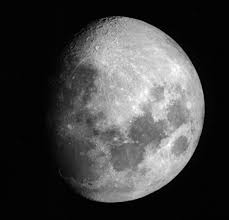


Wha type of tide would this arrangement of earth-moon-sun create?
full moon tide
new moon tide
neap tide
spring tide

If the Sun is bigger than the moon, why does the moon have a greater affect on tides?
The Sun's gravity does not affect water.
The moon is much closer than the sun.
Although the moon is smaller than the sun, it has more mass.
The earth blocks the suns gravitational pull.
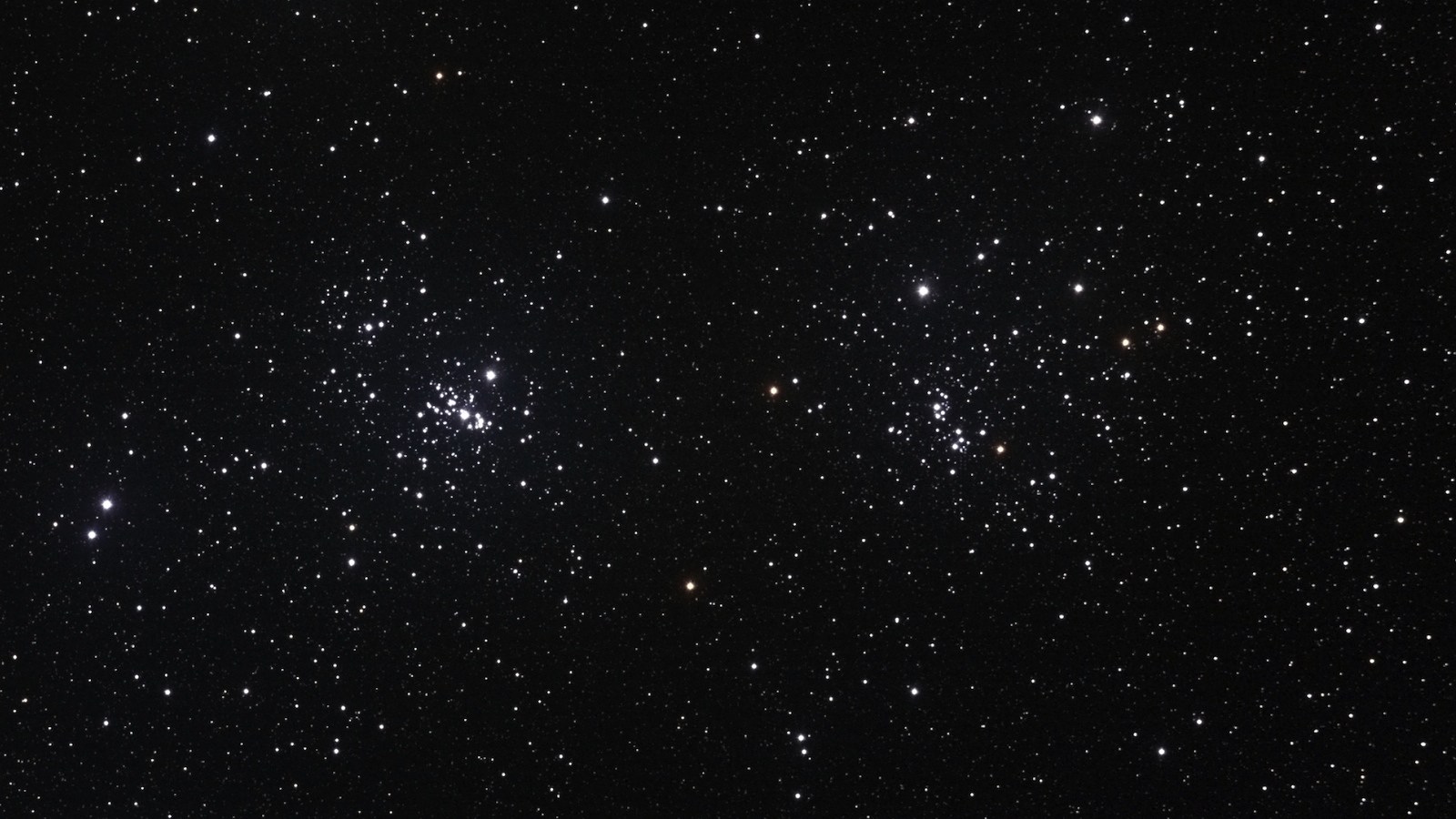

The Sun is the biggest star in the sky.

Consider the color of the sun. Based on this color, what is the sun's approximate surface temperature?
10,000-30,000
6000-7500
30000-60000
<3500
Felix examined several photos of stars. To compare their temperatures, he looked at the colors of the stars. He organized the photos in order from coolest to hottest. Which of these answers shows the correct order?
red, yellow, white, blue
white, blue, yellow, red
yellow, white, blue, red
blue, yellow, white, red
Absolute magnitude is defined as…
mass of a star
color of a star
brightness of a star, as it appears from Earth
brightness of a star independent from the distance of Earth
Which of the following correctly ranks astronomical objects by size, starting with the smallest?
earth, sun, solar system, galaxy, universe
sun, solar system, earth, universe, galaxy
universe, galaxy, solar system, earth, sun
solar system, earth, sun, universe, galaxy
Stars give off heat and light in a process called ___________.
nuclear fusion
supernova
luminosity
spectroscopy


Where is the Asteroid Belt located in the Solar System?
near Neptune
between Mercury and Venus
between Mars and Jupiter
around the Sun
What is a meteoroid that has hit Earth's surface?
Meteor
Asteroid
Comet
Meteorite
What is an astronomical unit (A.U.)?
the time it takes light to travel one year
the distance between the Earth and the Moon
the distance between the Earth and the Sun
the distance between the Earth and the Neptune
Which of the following scenarios would be appropriate to use light years?
From the sun to Earth
from Earth to Neptune
from the Milky Way to its closest galaxy
Asteroid Belt to the Kuiper Belt
Which of the following scenarios would we use Light Years to determine, not Astronomical Units (AU)?
distance from Mercury to Saturn
distance from Sun to Neptune
distance from Earth to Sun
distance from Asteroid Belt to the Betelgeuse Star
Which of the following is CLOSEST to planet Earth:
Jupiter
Andromeda Galaxy
Earth's moon
the Sun

