
 Worksheets
Symbiosis Practice Quiz
Total questions: 20
Worksheet time: 20mins
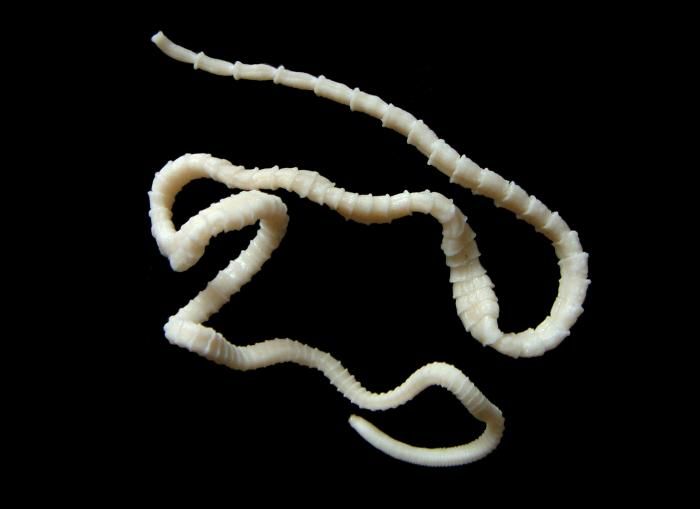
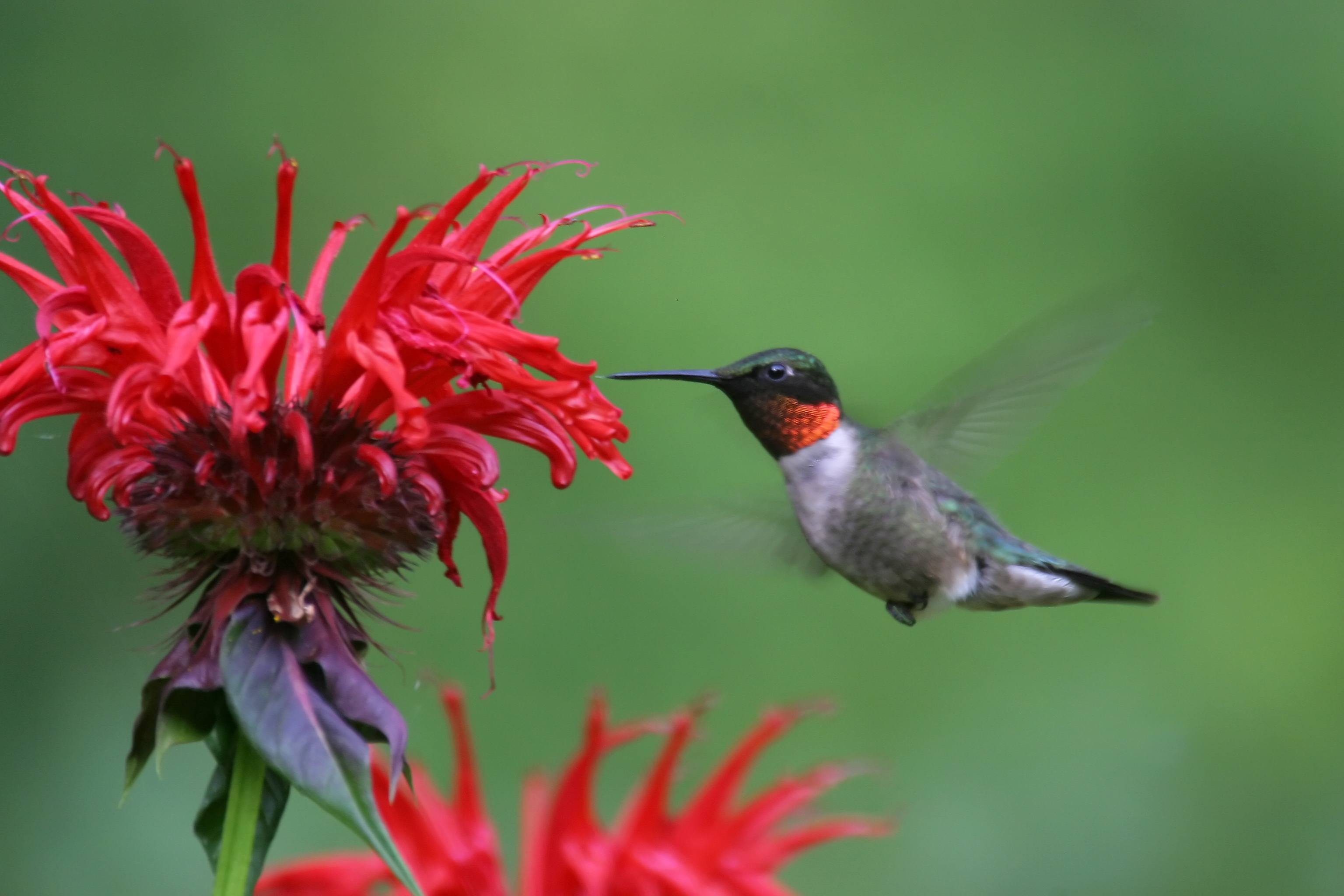

Aphids are tiny insects that live on and eat the leaves of plants, removing vital nutrients from the plants.
Predation
Parasitism
Commensalism
Mutualism

The close relationship between two different species in an ecosystem
Biosphere
Ecology
Symbiosis
Environment

A symbiotic relationship where one species obtains food or benefits from another species without benefitting or harming the other.
Commensalism
Mutualism
Competition
Parasitism

A symbiotic relationship that benefits both members of two different species.
Predator-Pray
Commensalism
Mutualism
Parasitism

A symbiotic relationship where one organism (the parasite) benefits from and hurts another (the host).
Usually the parasite is getting food from the hosts body.
Commensalism
Parasitism
Mutualism
Competition
Mockingbirds will push the eggs out of a blue bird's nest and use the nest for it's own babies
commensalism
parasitism
mutualism

A fish will eat the left over food scraps from the shark's meal. The shark is unharmed from the fish.
mutualism
commensalism
parasitism
competition

A plover bird eats parasites off a crocodile’s skin. The crocodile provides the plover protection from predators.
Mutualism
Commensalism
Parasitism

Clownfish live near sea anemones. The anemones provide protection for the clownfish, who are immune to the anemone's stinging tentacles. The clownfish help lure in prey for the anemones.
Mutualism
Commensalism
Parasitism

Barnacles create a home by attaching themselves to the skin of a whale. The barnacle is a filter feeder and obtains food as it rides on the whale. The whale is not affected.
Mutualism
Commensalism
Parasitism
Not Symbiosis

Fleas obtain nutrients by feeding on the blood of a dog.
Mutualism
Commensalism
Parasitism

Oxpecker birds feed on ticks and other insects found on the rhino’s skin. The rhino provides protection for the oxpecker.
Mutualism
Commensalism
Parasitism

Bacteria living in a cow’s stomach help the cow digest cellulose in the grass. The bacteria are protected in the cow’s stomach and are provided with food (cellulose).
Mutualism
Commensalism
Parasitism

Hermit crabs live in shells made and then abandoned by snails. This neither harms nor benefits the snails.
Mutualism
Commensalism
Parasitism

Mistletoe vines wrap around a tree, robbing the tree of water and nutrients.
Mutualism
Commensalism
Parasitism

A leech attaches to the skin of a boy swimming in a lake, and feeds on his blood.
Mutualism
Commensalism
Parasitism

