
 Worksheets
Grade 4 OFS Scientists. What we now know....
Total questions: 75
Worksheet time: 3hrs 37mins

What is a hypothesis?
A hypothesis is the right answer to an experiment.
A hypothesis is the wrong answer to an experiment.
A hypothesis is an educated guess.
I don't know.
True or False: Your hypothesis can never be wrong.
True
False

The scientific process is most similar to:
Following a recipe
Learning a language
Building a bridge
Solving a mystery

The general steps used when conducting an experiment.
observation
variable
hypothesis
scientific method
A fair test can be created using what three steps? (Choose three)
Change only one thing
Measure something
Keep everything else the same
Wearing a Scientist's coat

Which is the changed variable in this fair test?
type of soil
amount of soil
number of seedlings
size of pot
Cows Moo Softly stands for
Change
Many
Shoes
Change 1 thing
Measure or Observe
Same for everything else
Chips
Milkshakes
Snag

Ink can be separated by a method of -----------------------------------------------
distillation
filtration
chromatography
sedimentation
What is the procedure of an experiment?
What you see happening with the materials. (see, touch, feel)
Step-by-step instructions for completing the experiment.
An idea or explanation that you can test through study and experimentation.
Which option below is an example of an absorbent item?
A paper towel
A sponge
A piece of wax paper
What does it mean if someone said an object is 'absorbent'?
It is a gas
It does not soak up liquids
It soaks up liquids

What makes your experiment a FAIR TEST?
My mother says I'm a very fair person.
All the VARIABLES were the same. The pieces of materials were the same size and the amount of water I used was the same.
I decided how big each piece of paper should be, I made some bigger as I liked the colour.
All of the above answers are correct.

When I did my experiment, to make sure it was a FAIR test, I did the following?
Kept to the correct time for each test.
Cut all the materials used the SAME size.
Used the same amount of water for each test.
ALL OF THE ABOVE.

For your absorbency experiment, we used VARIABLES, which ones stayed the same? The ones thats I keep the same are called CONTROLLED variables.
time, size of material, fun.
time, size of material, different kind of liquids
time, size of material, same amount of water used.
time, different sizes of materials, fun
Transparent and brittle
Metal
Sponge
Glass
Plastic
Shiny and conducts electricity
Meetal
Polythene
Rubber
Metal

Flexible and elastic
Fabric
Tissue paper
Rubber
Wood

Hard and attracted to a magnet
Wool
Wood
Metal
Cotton

Weak and absorbent
Fabric /faabrick
Paper /tissue paper
Polythene/plastic
None of theme

refers to the material’s ability to return to its original position when it is dropped from a given height
bounce
elasticity
strength
uniformity

Which material would work best for a car tire?
rubber
glass
plastic
paper

Which material would work best for a towel?
rubber
paper
fabric
plastic

Which material would work best for a sports bottle?
fabric
paper
glass
plastic

Which material would work best for a window?
fabric
metal
glass
rubber

Handles of cooking pots should be made of?
Metal
Plastic
Glass

Which of these materials is a good conductor of heat?
Wood
Ceramic
Metal

Which is the best material for making a bell?
Glass
Paper
Metal

Which is the best material for making a railway tracks?
Iron
Wood
Rubber
Which one of these following objects can be classified as absorbent?


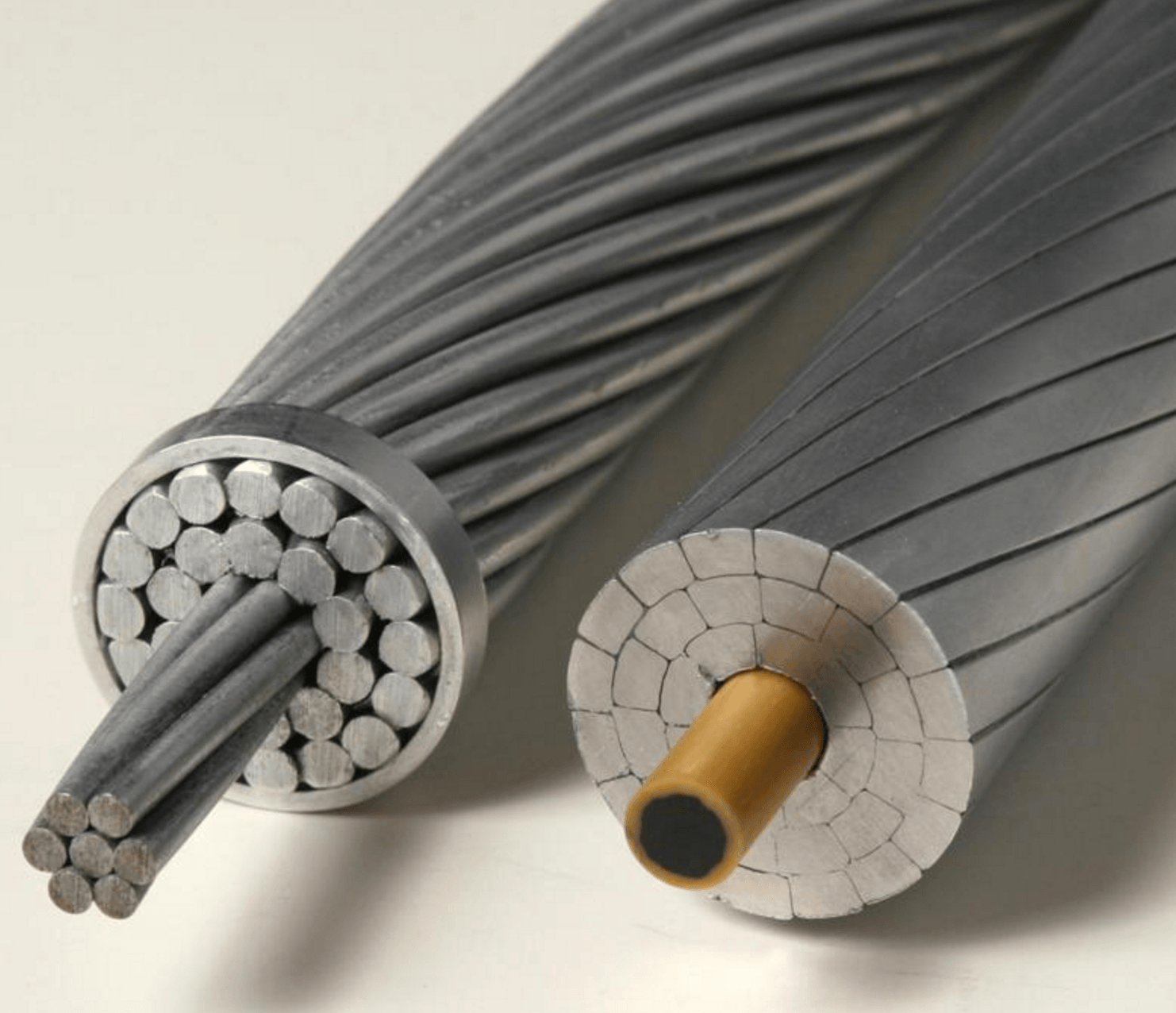
Most non-metals do not conduct heat energy well. This makes it useful for making....
Pot lids
Bottle caps
Pan handles

Gloves help keep your hands warm in winter because:
They are conductors of heat.
They are fuzzy.
They are conductors of electrical energy.
They are insulators.

Thermal energy travels...
Hot to cold
Cold to hot
Inside to outside
Outside to inside


Heat transfers from ______ objects to cold objects.
Cold
Hot
Convection
Radiation

Hot air ______ while cool air ____
Sinks, Rises
Rises, Rises
Rises, Sinks
Convection, Radiation

Ice melting in a cup is caused by....
The ice is heated up by the drink
Ice is cooling down the liquid

What is the range of pH values in an acidic solution?
0-7
7-14
15-239058204958
pH = 7

What methods can you use to measure the pH of a solution?
Observing color or clarity
Measuring mass or volume
Measuring density or electrical conductivity
Using acid base-indicators or pH meters

Which is the stronger acid?
pH 1
pH 4
pH 8
pH 13

Pure water is _______ on the pH scale.
Acid
Base
Neutral

Which of these options correctly represents the colors cabbage juice indicator turns?
Acid- Red, Base- Green
Acid- Purple, Base- Red
Acid- Green, Base- Purple
Acid- Red, Base- Purple


What pH is the strongest base?
1
7
4
14


By August, a student noticed that the sunflowers outside his house were as tall as the back door of his house. About how tall were the sunflowers?
0.2 meters
2 meters
20 meters
200 meters

You made some hot chocolate and it was 99°C. After waiting about 10 minutes it was 75°C. What temperature do you think it would be after 10 more minutes?
10°C
50°C
80°C
100°C

Which group share the same physical properties?
orange juice, orange, sand
sand, marble, orange juice
marble, ball, orange
orange, sand, water

Which of these could you observe?
The student was hungry
The student loved Math
The student was thinking about reading a book
The student didn't finish their homework
How do you start a scientific investigation?
with a prediction
with a conclusion
with a question or problem
with organized data in tables and charts
The three states of matter are:
solid, ice, liquid
solid, air, liquid
gas, solid, water
liquid, gas, solid
You should never ______ chemicals or materials used in lab.
eat
drink
smell
all of the above

You should follow the scientific method when you are a conducting an experiment because
it ensures you are doing a reliable test
it is fun
it helps you get the right answer
your teacher told you to
what is matter? give the states of matter you know
matter is everything around..solid,liquid and gas
matter i can touch...water,stones,air
everyting around us
i dont know

