Wayground logo

Free Printable Worksheets

Font size

S
M
L
XL
Worksheets

Chemical and Physical Changes

Total questions: 69

Worksheet time: 37mins

Name
Class
Date
1.

Which of the following would be considered a physical change?

a)

Cutting paper

b)

pH test

c)

Burning marshmellow

d)

Roasting a Turkey

2.

Which of the following would be considered a physical property?

a)

Colour

b)

Flammability

c)

pH

d)

Reactivity

3.
Which of the following is represented by point 3 on the graph above. 
a)
Gas heating
b)
Sublimation
c)
Liquid Heating
d)
Evaporation
4.
Which of the following is a Physical Property 
a)
Toxicity
b)
Flammability
c)
Malleability
d)
Reactivity
5.
A block of metal has a mass of 14.0 Kg and a volume of 2.0 Liters what is the density?
a)
14.0 kg/L 
b)
7.0 Kg/L
c)
2.0 Kg/L 
d)
0.5 Kg/l
6.
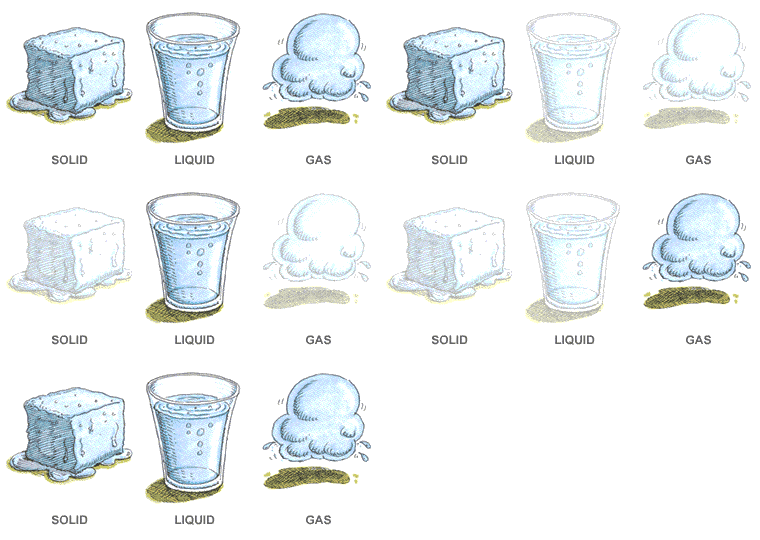
No Definite Shape and No Definite Volume
a)
Gas
b)
Liquid
c)
Solid
7.
Phase change from a solid to a gas.
a)
sublimation
b)
deposition
c)
condensation
d)
evaporation
8.
When the temperature of matter decreases the particles ...
a)
speed up and move farther apart
b)
speed up and move closer together
c)
slow down and move farther apart
d)
slow down and move closer together
9.
A gas
a)
has a definite shape but no definite volume
b)
has a definite volume but no definite shape
c)
has fast-moving particles
10.
During a phase change, the temperature
a)
increases
b)
decreases
c)
fluctuates
d)
stays the same
11.
According to the phase diagram, water exists as a _____________ at 700 mmHg and 50 °C.
a)
solid
b)
liquid
c)
gas
d)
supercritical fluid
12.
What state of matter is X?
a)
solid 
b)
liquid
c)
gas
d)
supercritical fluid
13.
Boiling point
a)
Physical property
b)
Chemical property
14.
Odor
a)
Physical property
b)
Chemical property
15.
Luster
a)
Physical property
b)
Chemical property
16.
Red color
a)
Physical property
b)
Chemical property
17.
Density
a)
Physical property
b)
Chemical property
18.
Can neutralize a base
a)
Physical property
b)
Chemical property
19.
Hardness
a)
Physical property
b)
Chemical property
20.
Flammability
a)
Physical property
b)
Chemical property
21.
Bitter taste
a)
Physical property
b)
Chemical property
22.
Supports combustion
a)
Physical property
b)
Chemical property
23.
Melting point
a)
Physical property
b)
Chemical property
24.
Reacts with water to form a gas
a)
Physical property
b)
Chemical property
25.
Reacts with a base to form water
a)
Physical property
b)
Chemical property
26.
Reacts with acid to form hydrogen
a)
Physical property
b)
Chemical property
27.
Solubility
a)
Physical property
b)
Chemical property
28.

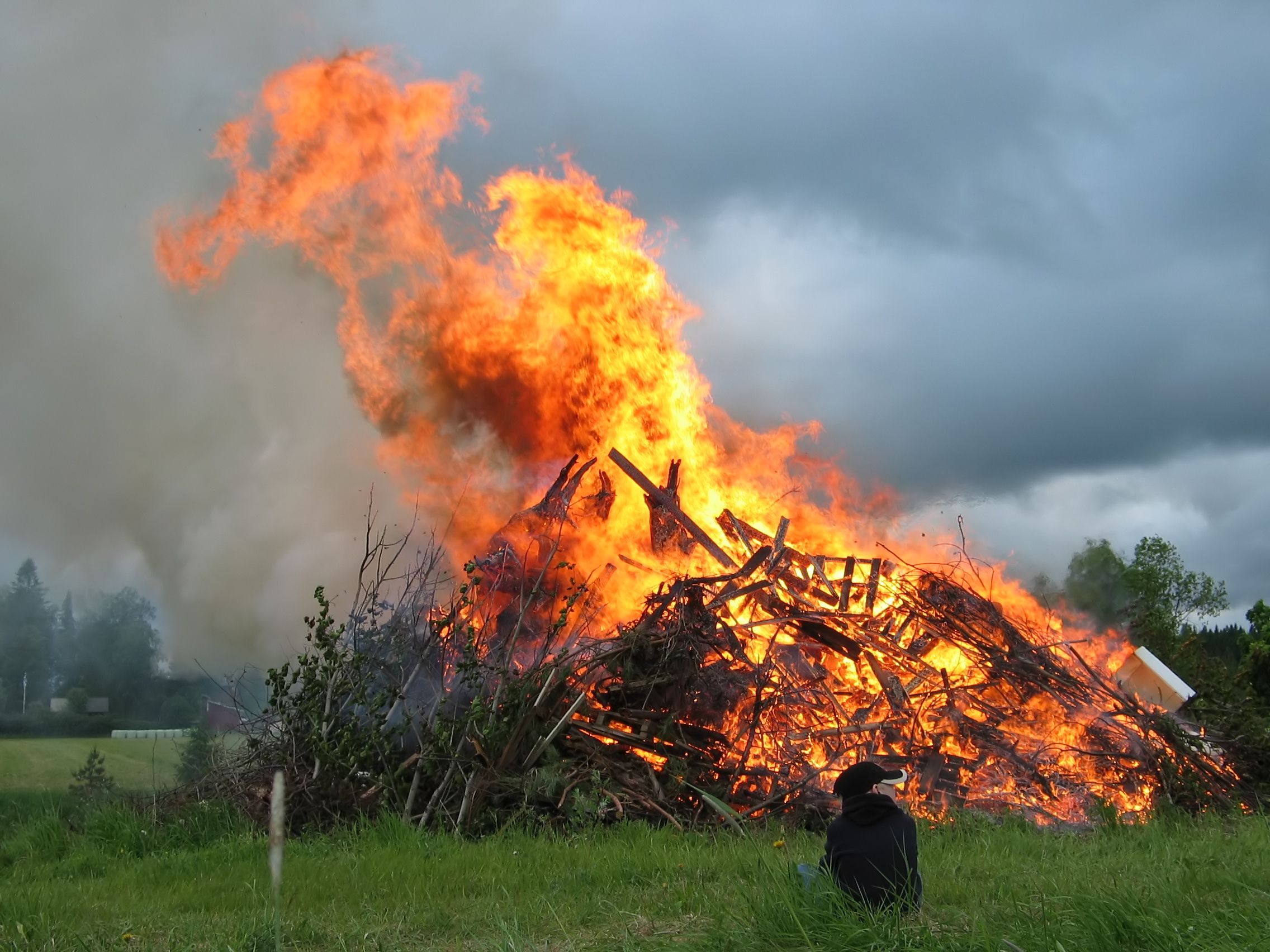
Wood that is burning in a brush pile has heat, and produces ashes.

a)

Physical

b)

Chemical

29.

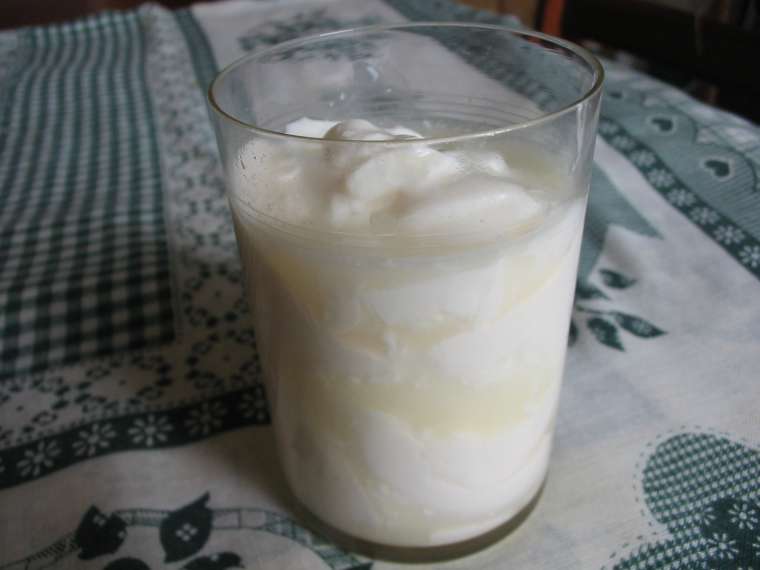
Is milk going sour a physical or chemical change?

a)

Physical

b)

Chemical

30.
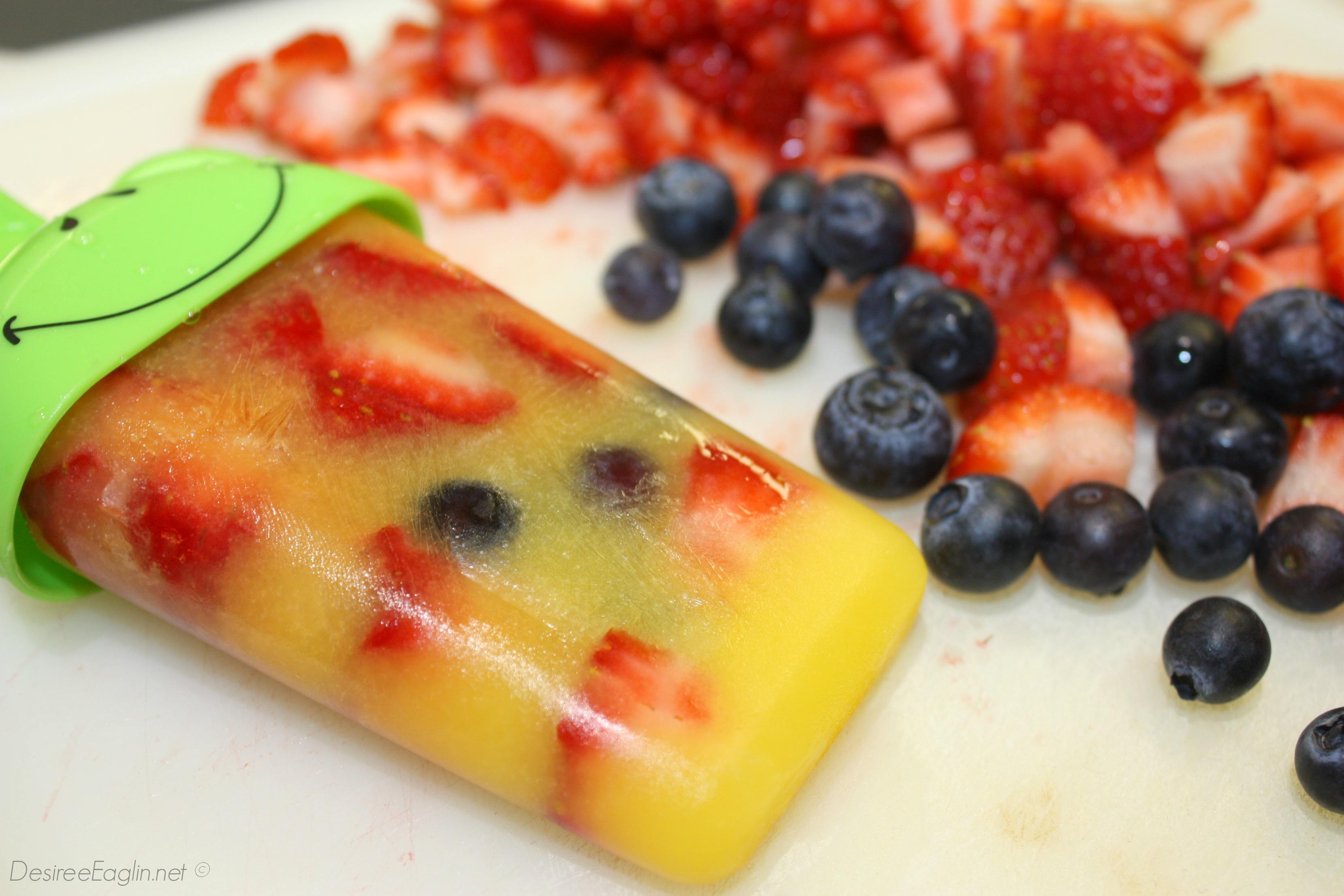
Is freezing juice a physical or chemical change?
a)
Physical Change
b)
Chemical Change
31.
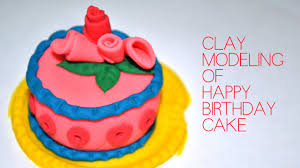
Why is this a physical change?
a)
The shape of the clay has been changed.
b)
The clay can be put back into a ball shape instead of a birthday cake.
c)
The clays has not changed chemically.
d)
All are true
32.
In which of these do particles move slowest?
a)
matter
b)
gas
c)
liquid
d)
solid
33.
An example of a physical property would be?
a)
Rust on a nail
b)
Salt dissolved in water.
c)
Wood burning
d)
An egg frying
34.
What happened to change the state of the butter?
a)
More energy was added.
b)
Heat was taken away.
c)
More chemicals were added.
d)
The particles of the butter slowed down.
35.
Which is NOT a physical change?
a)
Cutting a pizza into equal slices.
b)
Ice cubes melting back into liquid. water
c)
Baking cupcakes.
d)
A chocolate bar melting.
36.

Which of the following is a physical change?

a)

Dissolving

b)

Rapid release of heat

c)

Fizzing (release of gas)

d)

Rusting

37.

What happens to temperature as water freezes?

a)

The temperature increases

b)

The temperature decreases

c)

The temperature stays the same

38.

When you increase the energy by heating a liquid what happens to the motion of the molecules

a)

They slow down

b)

They speed up

c)

Heat doesnt change the motion of the molecules
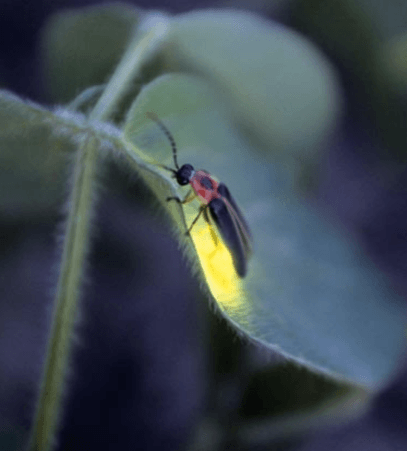
39.
Evidence of a physical change.
a)
New substance
b)
Shape Change
c)
Light produced
d)
Gas released.
40.
Is a firefly lighting up a physical or chemical change?
a)
Physical
b)
Chemical
41.
Is water melting a physical or chemical change?
a)
Physical
b)
Chemical
42.
Is salt dissolving in water a physical or chemical change?
a)
Physical
b)
Chemical
43.
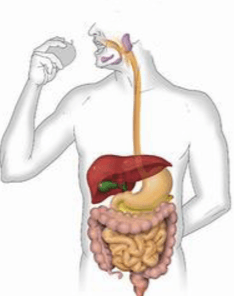
Is digesting your food a physical or chemical change?
a)
Physical
b)
Chemical
44.
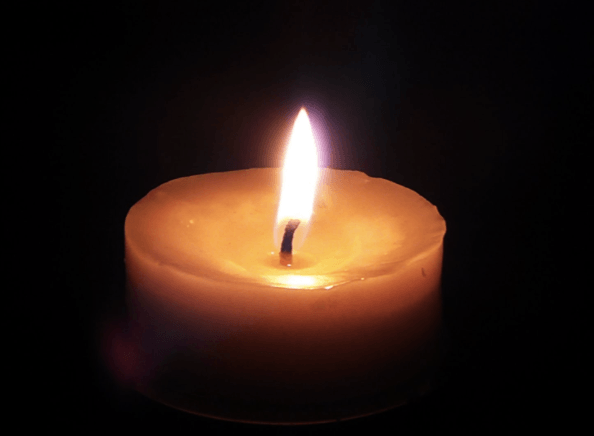
Is a burning candle a physical or chemical change?
a)
Physical
b)
Chemical
45.
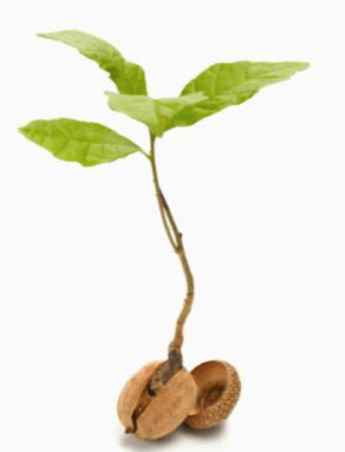
Is a tree sprouting a physical or chemical change?
a)
Physical
b)
Chemical
46.
Is getting a tan a physical or chemical change?
a)
Physical
b)
Chemical
47.
Is melting iron a physical or chemical change?
a)
Physical
b)
Chemical
48.
Is a car using fuel a physical or chemical change?
a)
Physical
b)
Chemical
49.
Is sour milk a physical or chemical change?
a)
Physical
b)
Chemical
50.
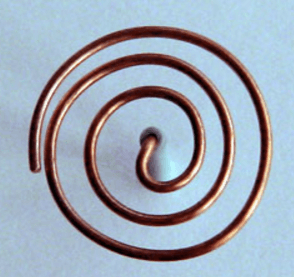
Is bending copper wire a physical or chemical change?
a)
Physical
b)
Chemical
51.
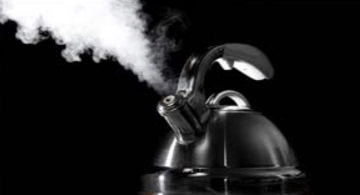
Is steam a physical or chemical change?
a)
Physical
b)
Chemical
52.
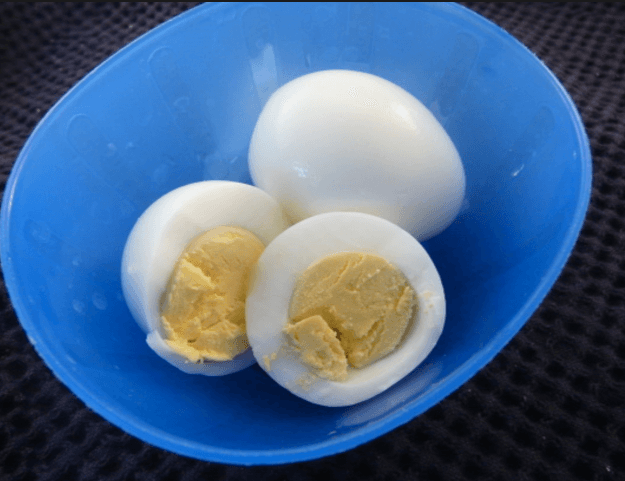
Are hard boiled eggs a physical or chemical change?
a)
Physical
b)
Chemical
53.
Is melting butter a physical or chemical change?
a)
Physical
b)
Chemical
54.
When things burn this is a chemical reaction called COMBUSTION.  What does every combustion reaction require?
a)
Hydrogen
b)
Carbon dioxide
c)
Oxygen
d)
Water
55.
Is adding sugar to your coffee a physical or chemical change?
a)
Physical
b)
Chemical
56.
Is getting sick with a fever a physical or chemical change?
a)
Physical
b)
Chemical
57.
When baking soda and vinegar mix it creates a bubbly mess. Is this a chemical or physical change?
a)
Physical
b)
Chemical
58.
If liquid nitrogen is brought to a boil, is this a physical or chemical change?
a)
Physical
b)
Chemical
59.
If a new substance is formed would this be a physical or chemical change?
a)
Physical
b)
Chemical
60.

Melting ice

a)

physical change

b)

chemical change

61.

Burning wood

a)

physical change

b)

chemical change

62.

Burning coal

a)

physical change

b)

chemical change

63.

Which change describes a substance that changes shape, form, or appearance but is still the same substance?

a)

physical change

b)

chemical change

64.

What happens when a new substance is produced during a reaction?

a)

physical change

b)

chemical change

65.

rusty nail

a)

physical change

b)

chemical change

66.

broken glass

a)

physical change

b)

chemical change

67.

mixing baking soda and vinegar

a)

physical change

b)

chemical change

68.

Freezing Juice?

a)

physical Change

b)

chemical Change

69.

Fizzing, foaming, and burning are all examples of

a)

physical change

b)

chemical change