wayground logo

Free Printable Worksheets

NEW

Font size

S
M
L
XL
Worksheets

Y6 Ecology

Total questions: 45

Worksheet time: 9mins
Name
Class
Date
1.

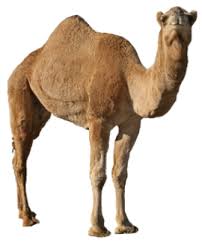
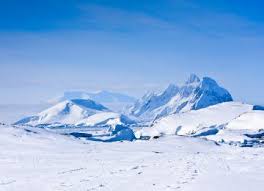
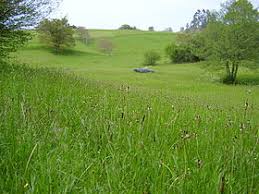
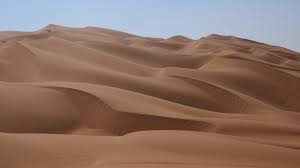
Where does this animal live?

a)
b)
c)
d)
2.

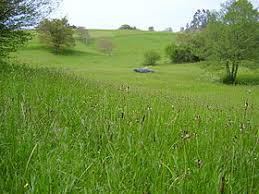
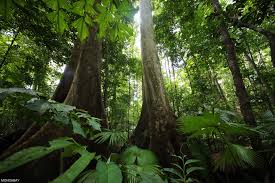
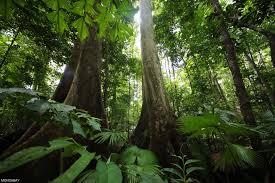
What habitat has the most amount of trees?

a)

Rainforst

b)

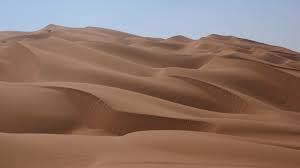
Desert

c)

Grasslands

d)

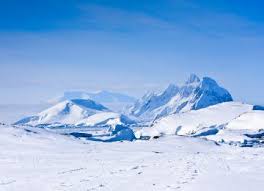
Arctic

3.

Which one is correct?

a)

Camels live in the rainforst.

b)

Polar Bears live in the arctic.

c)

Zebras live in the ocean.

d)

orangutans live in the desert.

4.

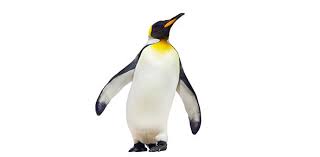
Where does this animal live?

a)
b)
c)
d)
5.

What is a habitat?

a)

A way an animal behaves.

b)

A group of the same animals living together.

c)

A specific place where an animal naturally lives.

d)

When an animal lives in a place that is not their home eg. a zoo

6.
This is a feature of an animal that helps it to survive in a specific habitat.
a)
personality
b)
adaptation
c)
need
d)
heart
7.
The webbed feet of an alligator is an ______ that helps them swim.
a)
adaptation
b)
habitat
c)
tool
d)
sense
8.
Which feature of a rose helps it grow without being eaten by large animals?
a)
flowers with bright colors
b)
sharp thorns
c)
small seeds
d)
deep roots
9.
Which feature helps an animal hide from other animals?
a)
looking like a dangerous animal
b)
being the same color as the place it lives (camoflauge)
c)
having sharp claws or a strong shel
d)
having only a few young and caring for them
10.
A giraffe has a long neck in order to better reach leaves to eat.  This is an example of _____. 
a)
an adaptation
b)
environment
c)
response
d)
stimulus
11.
Why do animals use camouflage?
a)
To look pretty
b)
To stay safe
c)
To play Hide and Go Seek
d)
To eat food
12.
How do adaptations help animals?
a)
to hide from predators
b)
to hunt for food
c)
to survive in their habitats
d)
All of these are correct
13.
Temperature, light, air, water, and soil are all  _____  parts of the environment
a)
alive
b)
biotic 
c)
abiotic
d)
living
14.
Is a deer an abiotic or biotic factor? 
a)
abiotic
b)
biotic
15.
Is a fern an abiotic or biotic factor? 
a)
abiotic
b)
biotic
16.
Is a weather an abiotic or biotic factor? 
a)
abiotic
b)
biotic
17.
Is sunlight an abiotic or biotic factor? 
a)
abiotic
b)
biotic
18.
Which of the following is not an abiotic factor?
a)
sun
b)
temperature
c)
soil
d)
grass
19.
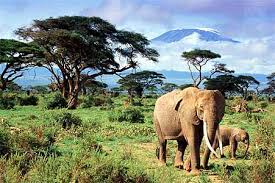
What are the biotic factors in this image?
a)
sunlight, elephants, and grasses
b)
sunlight, water,  and air
c)
elephants, plants, trees 
20.
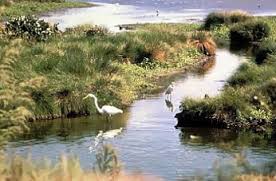
What are the abiotic factors in this image? 
a)
water, sunlight, dirt, air
b)
birds and plants
c)
water, plants, and birds 
21.
What does every food chain start with? (Even if it's not drawn or written there!)
a)
producers
b)
sun
c)
consumer
d)
decomposers
22.
An organism that needs to eat other organisms to obtain energy is known as a:
a)
Autotroph
b)
Producer
c)
Consumer
d)
Mutualist
23.
Consumer that eats plants
a)
heterotroph
b)
herbivore
c)
producer
d)
community
24.
What does a food web represent?
a)
All connections of energy flow throughout all organisms in a habitat.
b)
The specific ways that mutualism is carried out.
c)
A single pathway or energy flow between organisms. 
d)
How carnivores get their food. 
25.
The rabbit in this food web would be considered a:
a)
Decomposer
b)
Producer
c)
Secondary Consumer
d)
Primary Consumer
26.
Where an organism lives
a)
habitat
b)
niche 
c)
heterotrogh
d)
biosphere
27.
What is the term for each step in the transfer of energy and matter within a biological community?
a)
energy path
b)
food web
c)
trophic level
d)
food pyramid
28.
The image provided is an example of a(n):
a)
Carnivore
b)
Herbivore
c)
Producer
d)
Autotroph
29.
Which one is NOT an example of a decomposer?
a)
mushroom
b)
leaves
c)
mold
d)
worm
30.
Examples of a producer
a)
frog
b)
algae
c)
worm
d)
mouse
31.
A tree is a ....
a)
composer
b)
decomposer
c)
producer
32.
What is a producer?
a)
an organism that gets energy from eating other organisms
b)
an organisms that uses sunlight to make its own food
c)
an organism that gets energy from eating dead organisms, non-living material or waste
d)
an organism that uses chemical energy to make its own food
33.
What is a herbivore?
a)
an animal that gets energy from eating other animals
b)
an organism that gets energy from eating only plants
c)
an animal that gets energy by eating both plants and other animals
d)
an animal that eats only herbs
34.
What is a carnivore?
a)
an animal that gets energy by eating other animals
b)
An animal that gets energy by eating only plants
c)
an animal that gets energy by eating both plants and animals
d)
an animal that makes its own energy through photosynthesis
35.
Which organism recieves the least amount of energy from the producer?
a)
Owl
b)
Grasshopper
c)
Lilypad
d)
Mouse
36.

Which of the following is an example of a vertebrate animal?

a)

fly

b)

worm

c)

bird

d)

starfish

37.

Most fish have _________________ to protect their bodies.

a)

hair

b)

scales

c)

feathers

d)

skin

38.

Which of the following statements is true of reptiles?

a)

They are cold-blooded.

b)

They have gills.

c)

Their babies drink their mother's milk.

d)

They spend part of their lives in the water and part of their lives on land.

39.

Invertebrates do NOT have a

a)

brain.

b)

heart.

c)

stomach.

d)

backbone.

40.

Asia keeps seeing a small animal in her backyard. She observed the animal has a backbone, four legs and a long tail, and its body is covered with scales. What is the classification for this animal?

a)

bird

b)

mammal

c)

reptile

d)

amphibian

41.

Animals that are warm blooded, have body hair, and produce milk for their young are grouped into which of the following classes?

a)

amphibians

b)

mammal

c)

birds

d)

reptiles

42.

What type of animal is a whale?

a)

amphibian

b)

fish

c)

mammal

d)

reptile

43.
A student discovers an arachnid with a segmented abdomen, long legs, and a tail with no stinger. The student uses the dichotomous key below to identify it. Which arachnid has the student found?
a)
Whip Scorpion
b)
Wind Scorpion
c)
Daddy long legs
d)
Scorpion
44.
Which of the following shows the correct pyramid of numbers for the food chain?
a)
A
b)
B
45.
Which of the following shows the correct pyramid of numbers for the food chain?
a)
A
b)
B