wayground logo

Free Printable Worksheets

NEW

Font size

S
M
L
XL
Worksheets

Physics Reviewer 8

Total questions: 70

Worksheet time: 1hrs 11mins

Name
Class
Date
1.
Energy due to motion is ____________ energy. 
a)
Potential 
b)
Energy
c)
Kinetic
d)
Friction
2.
The faster an object moves, the ________ kinetic energy it has. 
a)
more
b)
less
c)
none of the above
d)
all of the above 
3.
____________ is the ability to cause change. 
a)
Energy 
b)
Force 
c)
Friction
d)
Motion
4.
__________ is stored energy. 
a)
Potential
b)
Kinetic
c)
None of the above 
d)
All of the above 
5.
Gravitational potential energy depends on the ________ and ________ of the object. 
a)
Height and mass
b)
Friction and movement
c)
Mass and Movement
d)
Height and Friction 
6.
What kind of energy is in a rock at the edge of a cliff?
a)
Potential
b)
Kinetic
7.
What kind of energy is in a moving skateboard?
a)
Potential
b)
Kinetic
8.
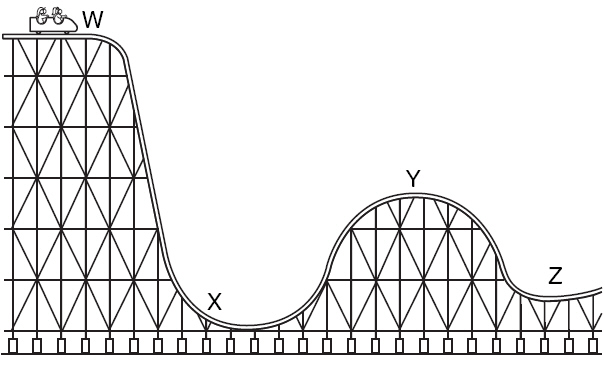
At which point is potential energy greatest?
a)
W
b)
X
c)
Y
d)
Z
9.
Energy can be _____________ or changed from one type to another.
a)
destroyed
b)
transferred
c)
created
d)
ignored
10.
If the skier is at the top of the hill waiting for the whistle to blow for his turn to ski, he has ____________, after the whistle blows and he starts his ski run, he has ___________ .
a)
kinetic energy; potential energy
b)
potential energy; friction
c)
kinetic energy; gravity
d)
potential energy; kinetic energy
11.

Food has _________ energy.

a)

Chemical

b)

Kinetic

c)

Strain

d)

Nuclear

12.
What characteristic do all renewable resources share?
a)
Produced by waste products
b)
Form underground from dead organisms.
c)
Replaced in a short period of time
d)
Allow energy to pass through them easily
13.
Which of the following is a fossil fuel?
a)
Wind
b)
Coal
c)
Solar
d)
Biomass
14.
Petroleum and natural gas form from...
a)
strong winds
b)
cooled magma
c)
radioactive materials
d)
remains of plants and animals 
15.
Hydroelectric power produces electricity using.....
a)
Wind
b)
Sunlight
c)
Moving water
d)
Dung
16.
The careful use of a resource is....
a)
recycling
b)
pollution
c)
depositing
d)
conservation
17.
 Energy from the sun is known as......... 
a)
hydroelectric energy
b)
geothermal energy
c)
solar energy
d)
wind energy
18.
The energy resource that is most affected by change in weather is_____________?
a)
geothermal 
b)
wind
c)
nuclear
d)
natural gas
19.
The cleanest burning fossil fuel is ______.
a)
coal
b)
oil
c)
wind
d)
natural gas
20.
Which of the following is a nonrenewable resource?
a)
milk
b)
coal
c)
biomass
d)
water
21.
Water is renewable because it.......
a)
can be frozen
b)
important to all life
c)
can be replaced constantly
d)
can evaporate
22.
Fossil fuels are classified as nonrenewable because they.......
a)
require expensive equipment
b)
take millions of years to replace
c)
can be found all over 
d)
provide all the energy we use
23.
What is biomass? 
a)
energy from the sun
b)
energy from water
c)
energy from wind
d)
energy from plant and animal waste
24.
What are two advantages of geothermal energy?
a)
cheap and a lot pollution
b)
expensive and a lot of pollution
c)
cheap and little pollution
d)
expensive and little pollution
25.
What is a disadvantage to Hydroelectricity?
a)
lots and lots of pollution
b)
Kills wild bird population
c)
Radioactive waste
d)
Increases potential for flooding 
26.
If a business is considered to be "green", how could you add to the electrical power system? 
a)
use hydroelectricity
b)
add solar panels to roof
c)
use nuclear power
d)
use a coal powered generator
27.
What type of fossil fuel is mined from the ground?
a)
wind
b)
coal
c)
biomass
d)
air
28.

Which of these is a true statement about nuclear power?

a)

It's waste can destroy habitats and ecosystems.

b)

It doesn't cost a lot of money to build.

c)

It does not produce radioactive waste.

d)

It produces very little amounts of energy.

29.

Which statement is true about coal and natural gas?

a)

Both are renewable resources

b)

Both require wind in order to work

c)

Both lead to greenhouse gases and climate change

d)

Neither one causes global warming

30.

Why is solar energy considered renewable energy?

a)

It's cheaper than fossil fuels

b)

The sun's energy would not run out for billions of years

c)

Solar energy recharges batteries

d)

All of them

31.

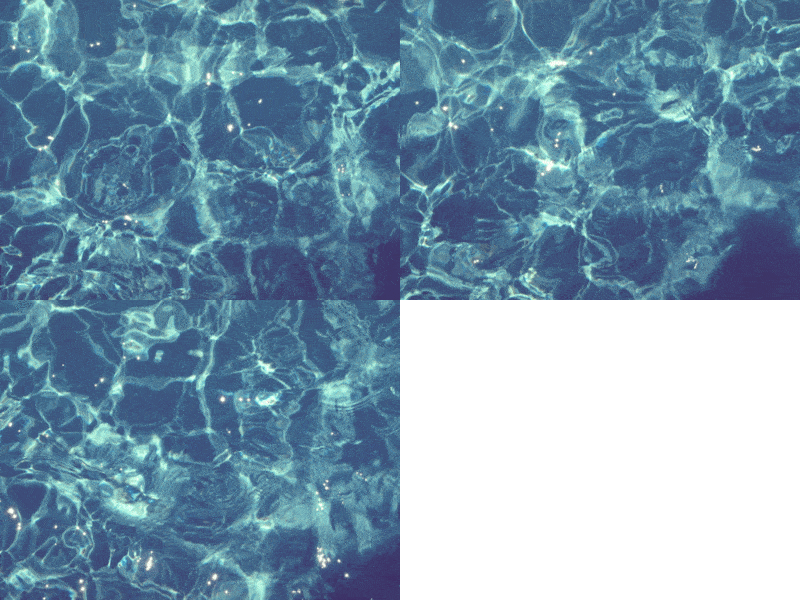
Which renewable resource uses the natural resource in the picture below to produce energy?

a)

wind

b)

tidal

c)

biomass

d)

geothermal

32.

Which of these is NOT a disadvantage of a nuclear power plant?

a)

It's waste can destroy habitats and ecosystems.

b)

It costs a lot of money to build.

c)

It produces radioactive waste.

d)

It produces large amounts of energy.

33.
Which is an example of sound energy?
a)
light energy
b)
plucking a guitar string
c)
turning the lights on
d)
splitting nuclei
34.
"Energy can be transformed from one form into another or transformed from one region or another, but energy cannot be created or destroyed."
Which law is this?
a)
Law of Conservation of Mass
b)
Newton's Second Law
c)
Law of Conservation of Energy
d)
Newton's Third Law
35.
Thermal energy is...
a)
burning logs
b)
turning on a fan
c)
sun energy
d)
splitting of nuclei
36.
This makes it harder to move objects along a surface
a)
kinetic energy
b)
work
c)
friction
d)
elasticity
37.
Which energy transformation occurs in a toaster?
a)
chemical to electric
b)
electric to thermal
c)
kinetic to chemical
d)
thermal to potential
38.
A barefoot student steps on a hot concrete surface. Most of the heat transferred to the student’s skin by this contact is by the process of—
a)
convection
b)
conduction
c)
vaporization
d)
radiation
39.
The diagram to the right shows a solid iron bar that is being heated in a flame. The primary method of heat transfer in the solid iron bar is—
a)
convection
b)
conduction
c)
absorption
d)
radiation
40.
A student opens the top window and the bottom window in a hot room. What statement best describes the heat transfer occurring in the room?
a)
conduction
b)
radiation
c)
convection
d)
evaporation
41.
How does air travel?
a)
they don't travel
b)
hot to cold
c)
cold to hot
d)
All of the above
42.
How do molecules at warm temperatures differ from molecules at cool temperatures? 
a)
a.  At warm temperatures, molecules move around more
b)
b.  At warm temperatures, molecules grow in siz
c)
c.  At warm temperatures, molecules exchange electrons more easil
d)
d.  At warm temperatures, molecules combine with each other more easil
43.
What is the difference between heat and temperature?    
a)
a.  Temperature measures the motion of molecules, and heat is the energy of that motion
b)
b.  Temperature is measured by a thermometer, and heat is measured by a barometer
c)
c.  Heat is measured in calories, and temperature is measured in joules
d)
d.  Heat is caused by the sun, and temperature is caused by conditions in the atmosphere
44.

The bike Dr. Jeff's mom is riding uses a generator to convert _____________ energy to ________________ energy, which is then used to charge BERT.

a)

solar, mechanical

b)

kinetic, electrical

c)

heat, steam

d)

hydro, electrical

45.

Batteries store energy as chemical energy.

a)

True

b)

False

46.

Explain how Dr. Jeff provides energy to make the singing fish work.

a)

The fish is connected to a solar cell that is powered by light.

b)

The fish is connected to a hidden cord that is plugged in to the wall.

c)

The fish runs off batteries.

d)

Jeff is a ventriloquist. It is really him talking, not the fish.

47.

What does a solar cell do?

a)

it converts light into electrical energy

b)

it converts wind into electrical energy

c)

it transmits radio wave signals into space

d)

it converts water into solar energy

48.
What is the definition of CONDUCTION?
a)
When heat is transferred from objects like rays of light or electromagnetically.
b)
a  hot liquid or air that  expands, becomes less dense, and rises or becomes more dense, and sinks.
c)
When heat transfers from objects that are touching.
d)
When heat transfers through the heater or AC in your house.
49.
What is the definition of CONVECTION
a)
When heat transfers through waves.
b)
When heat transfers from objects that are touching.
c)
a  hot liquid or air that  expands, becomes less dense, and rises or becomes more dense, and sinks.
d)
Heat traveling from the sun
50.
What kind of heat transfer happens when the sun is heating your body?
a)
Conduction
b)
Radiation
c)
Convection
d)
Density
51.

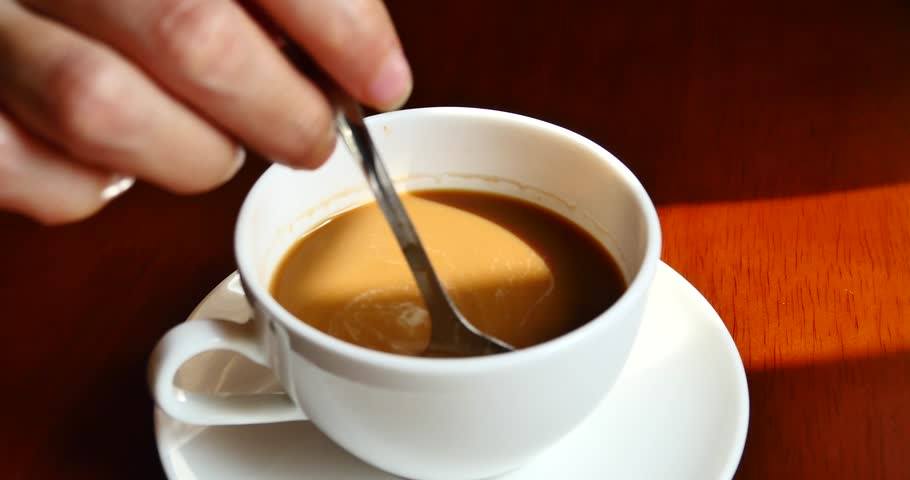
Hot coffee is stirred with a spoon, the spoon gets hot due to

a)

Convection

b)

Conduction

c)

Radiation

52.

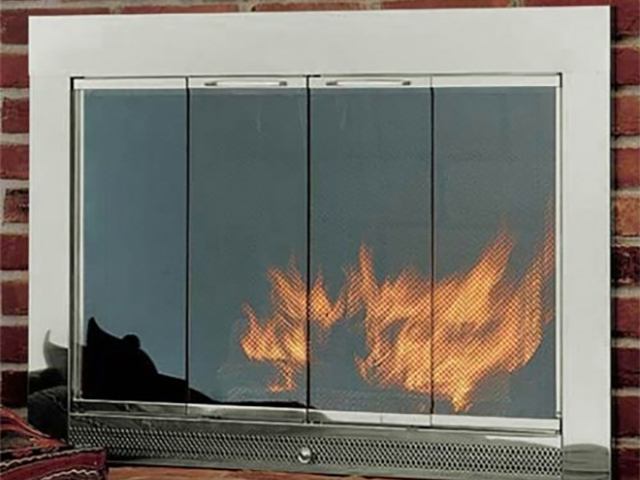
A chair is placed several feet from a fire in a fireplace. The fireplace has a glass screen. The side of the chair facing the fireplace gets warm because of

a)

Convection

b)

Conduction

c)

Radiation

53.

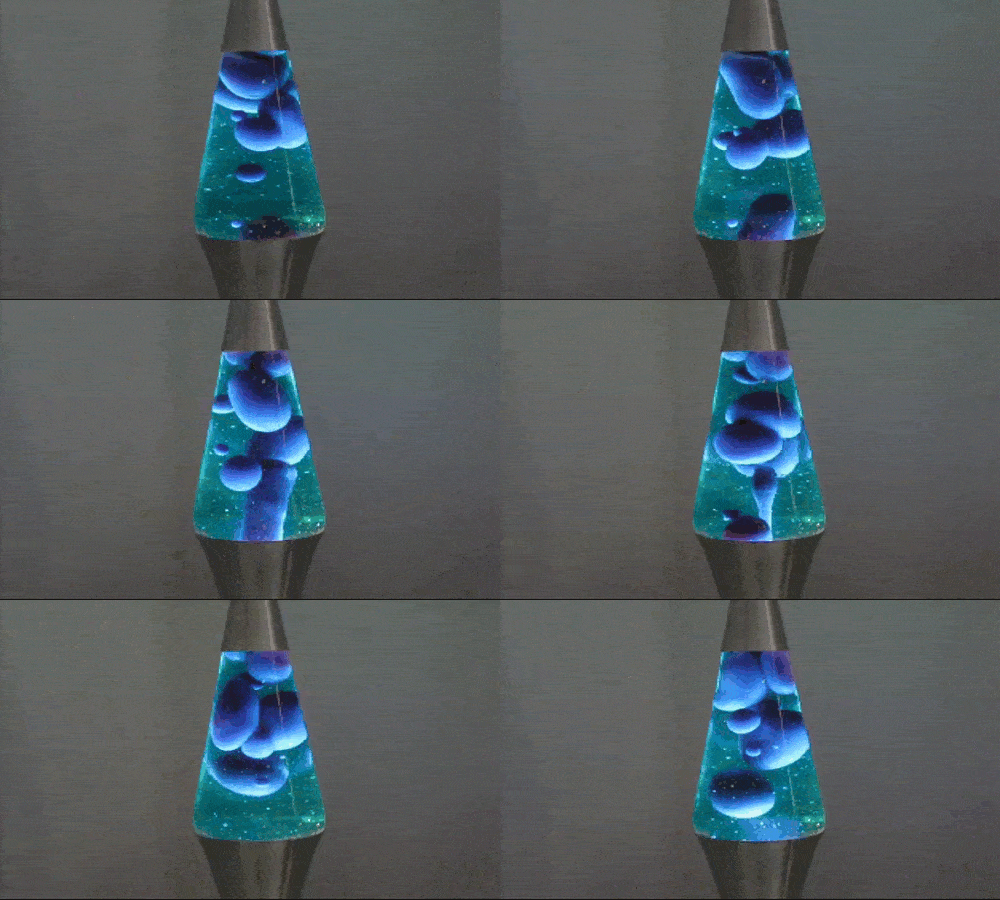
A certain type of decorative lamp contains colored liquids. These liquids form globs that break off and rise to the top of the liquid. The globs rise due to

a)

Convection

b)

Conduction

c)

Radiation

54.

Near the ceiling of a room the air is warmer. The warm air rises because of

a)

Convection

b)

Conduction

c)

Radiation

55.

In a swimming pool, the water near the surface is slightly warmer. The warm water rises because of

a)

Convection

b)

Conduction

c)

Radiation

56.

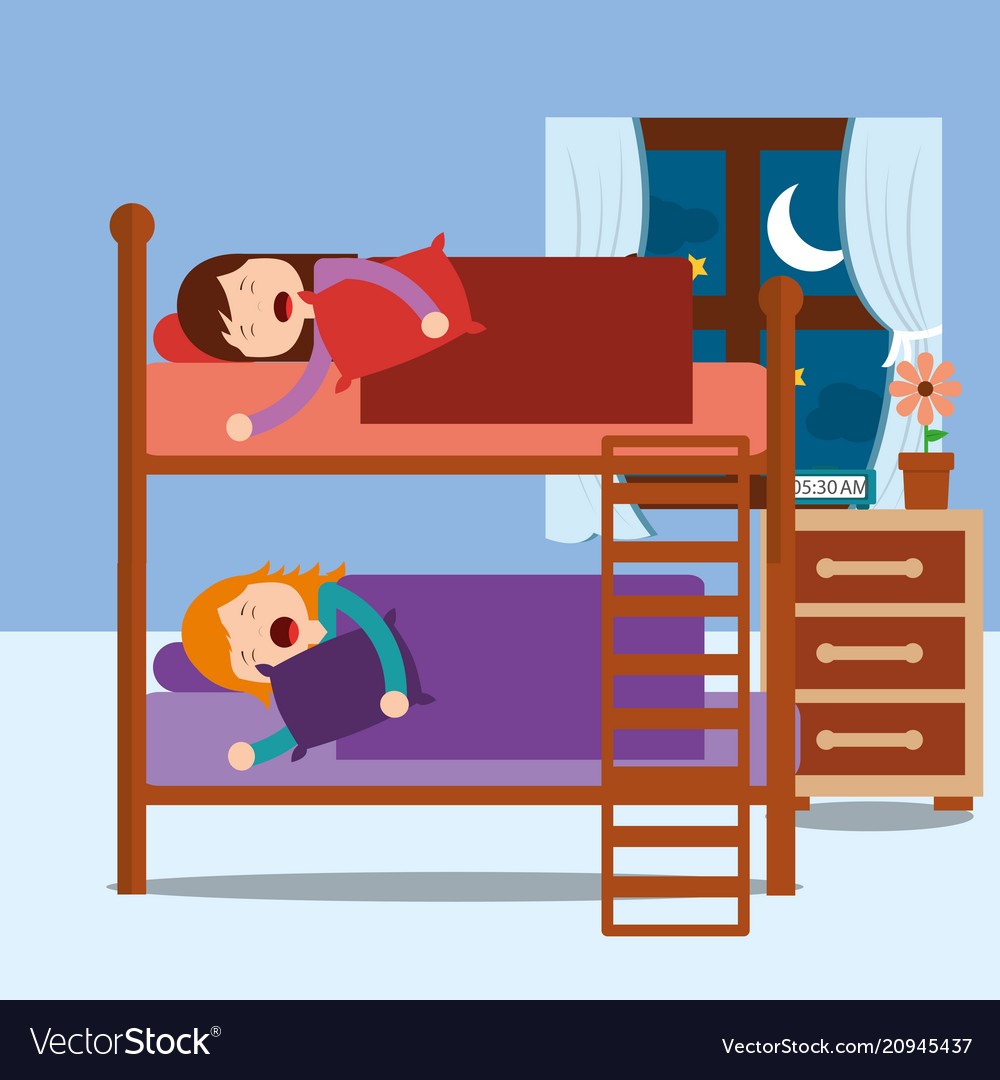
You are in the top bunk of a bunk bed and you want to turn the air conditioner on while your friend on the bottom bunk is fine is caused by

a)

Convection

b)

Conduction

c)

Radiation

57.

The cause of weather systems on earth is

a)

Convection

b)

Conduction

c)

Radiation

58.

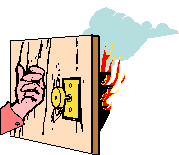
A fireman feels a door and it is hot. Why does his hand feel hot?

a)

Convection

b)

Conduction

c)

Radiation

59.

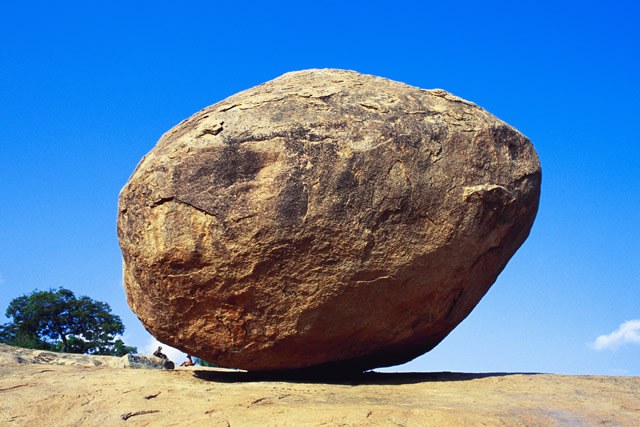
A huge boulder at the state park gets so hot during the day.

a)

Convection

b)

Conduction

c)

Radiation

60.

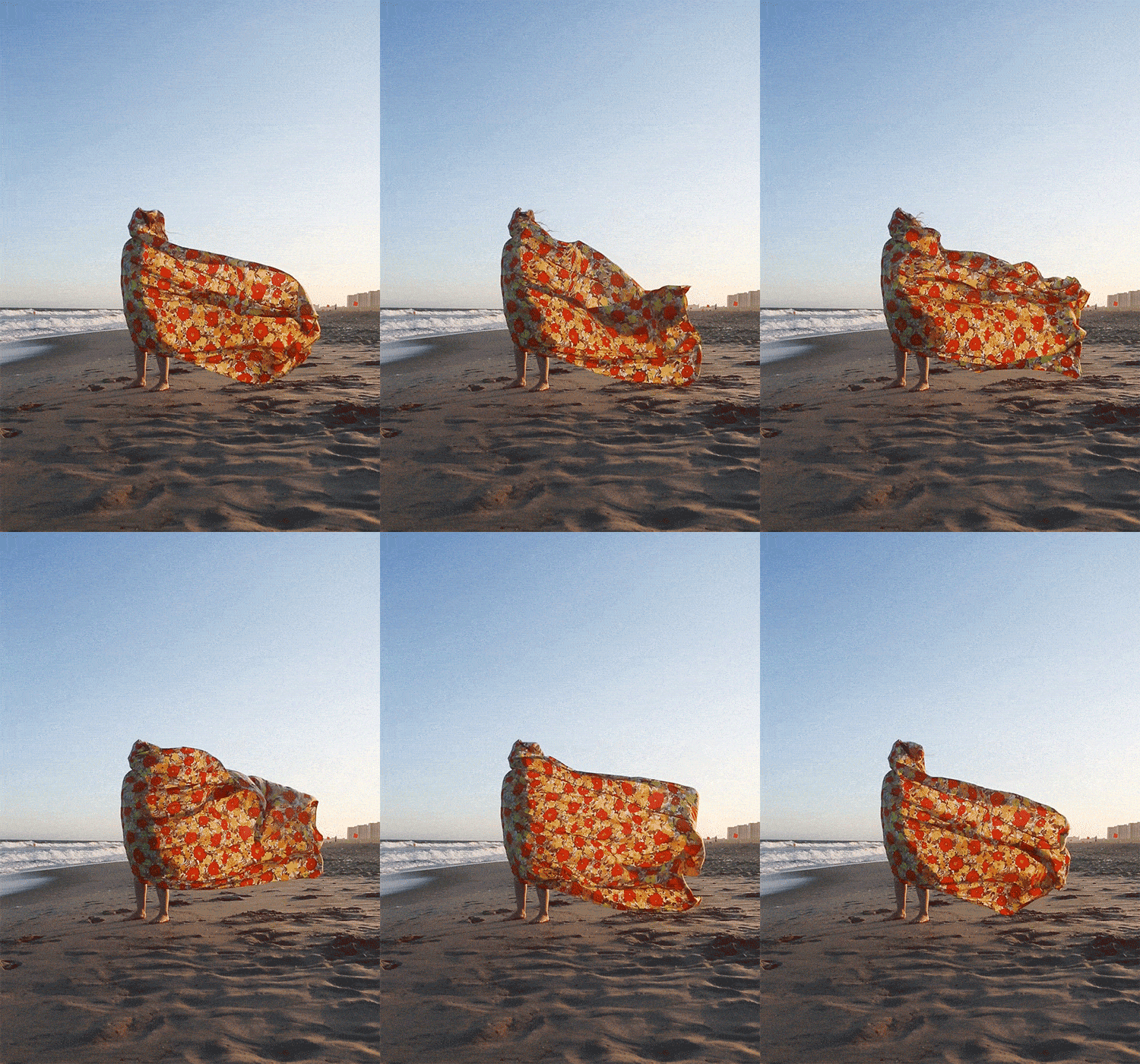
Warm air over the beach rises while cooler dense air from the ocean rushes in due to

a)

Convection

b)

Conduction

c)

Radiation

61.

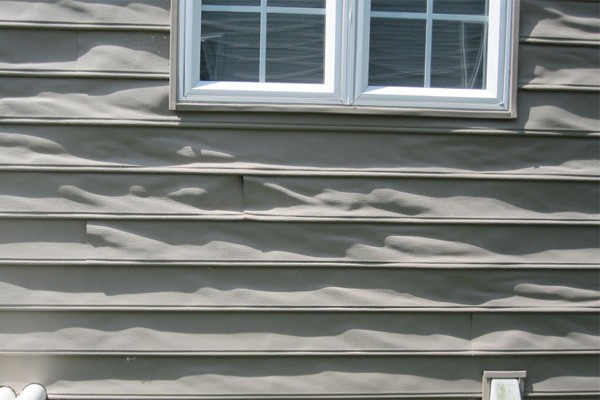
A house burns down. On the house across the street, all of the vinyl siding is twisted and warped by the heat. The heat was transferred across the street by

a)

Convection

b)

Conduction

c)

Radiation

62.

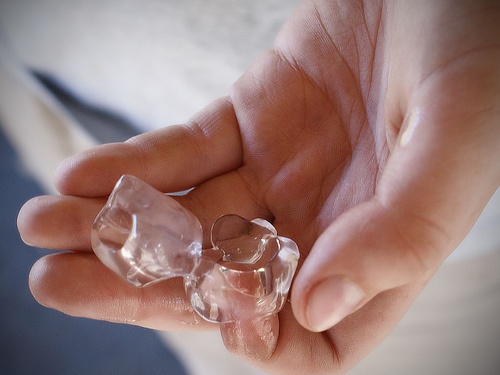
As you hold pieces of ice, they begi to melt from the warmth of you hand on them. This is because of

a)

Convection

b)

Conduction

c)

Radiation

63.

A group of friends gather around a fire to stay warm.

a)

conduction

b)

convection

c)

radiation

64.
Why are metals useful for making electrical wire?
a)
Metals do not bend.
b)
Metals hold much heat.
c)
Metals are insulators.
d)
Metals are conductors.
65.
Which is NOT an insulator.
a)
Wool
b)
Plastic
c)
Copper
d)
Glass
66.
Something electricity can't move through is called a(n) ______.
a)
conductor
b)
wire
c)
shoe
d)
insulator
67.
What is a example of a conductor?
a)
wood 
b)
metal
c)
rubber
d)
rock
68.
Water is a insulator.
a)
True
b)
False
69.
Rubber is a insulator.
a)
true
b)
false
70.
What is the difference between a conductor and an insulator?
a)
An insulator allows electricity to flow through it easily and a conductor does not
b)
A conductor allows electricity to flow through it easily and an insulator does not.
c)
An insulator is magnetic and a conductor is not
d)
A conductor is magnetic and an insulator is not