
 Worksheets
States of Matter & Elements and compounds
Total questions: 68
Worksheet time: 33mins
Na2CO3


Mendeleev arranged the elements by their ________________
alphabetical
density
melting point
atomic mass
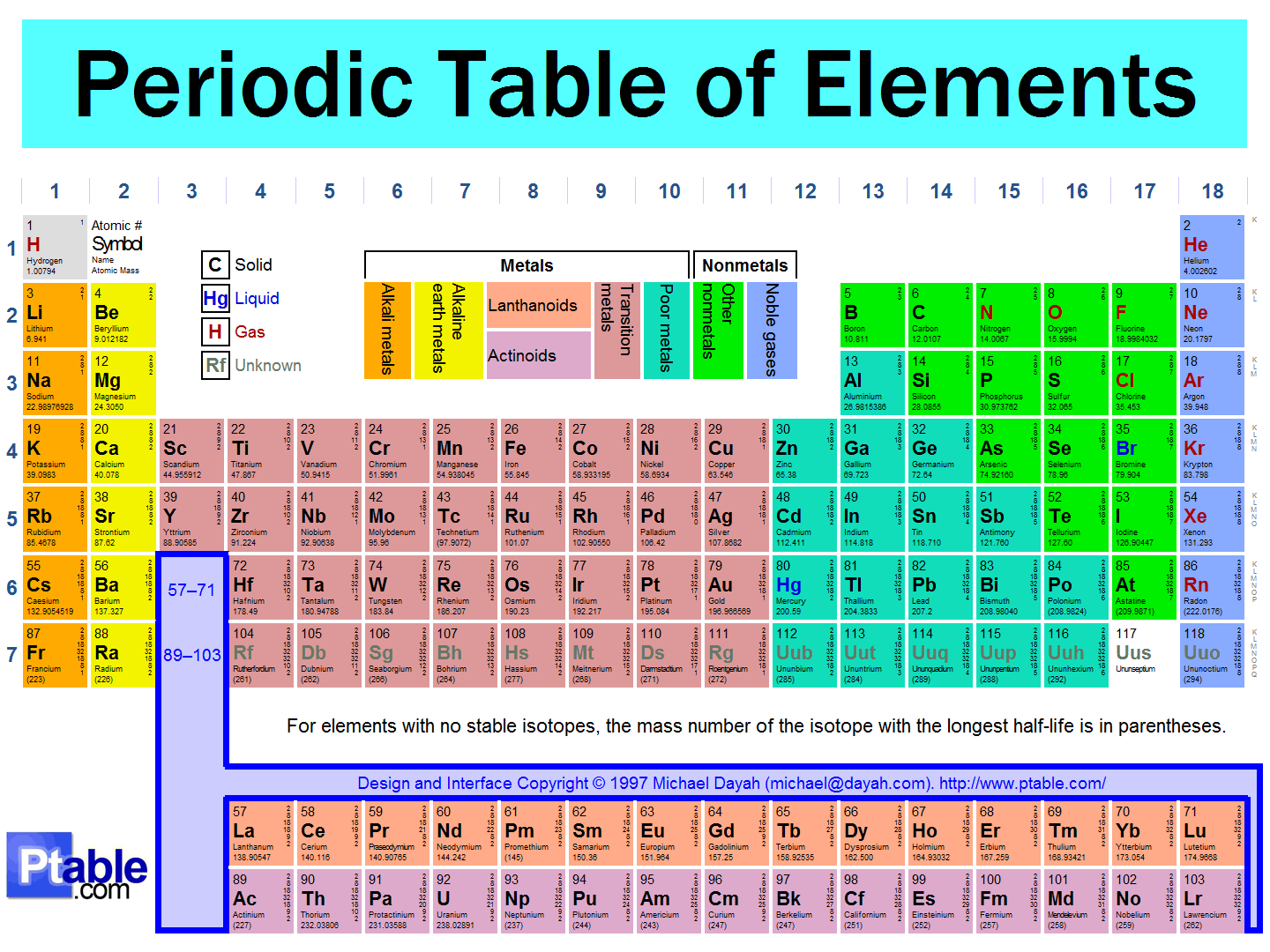
The horizontal rows on the periodic table are called
groups
families
periods
atomic numbers
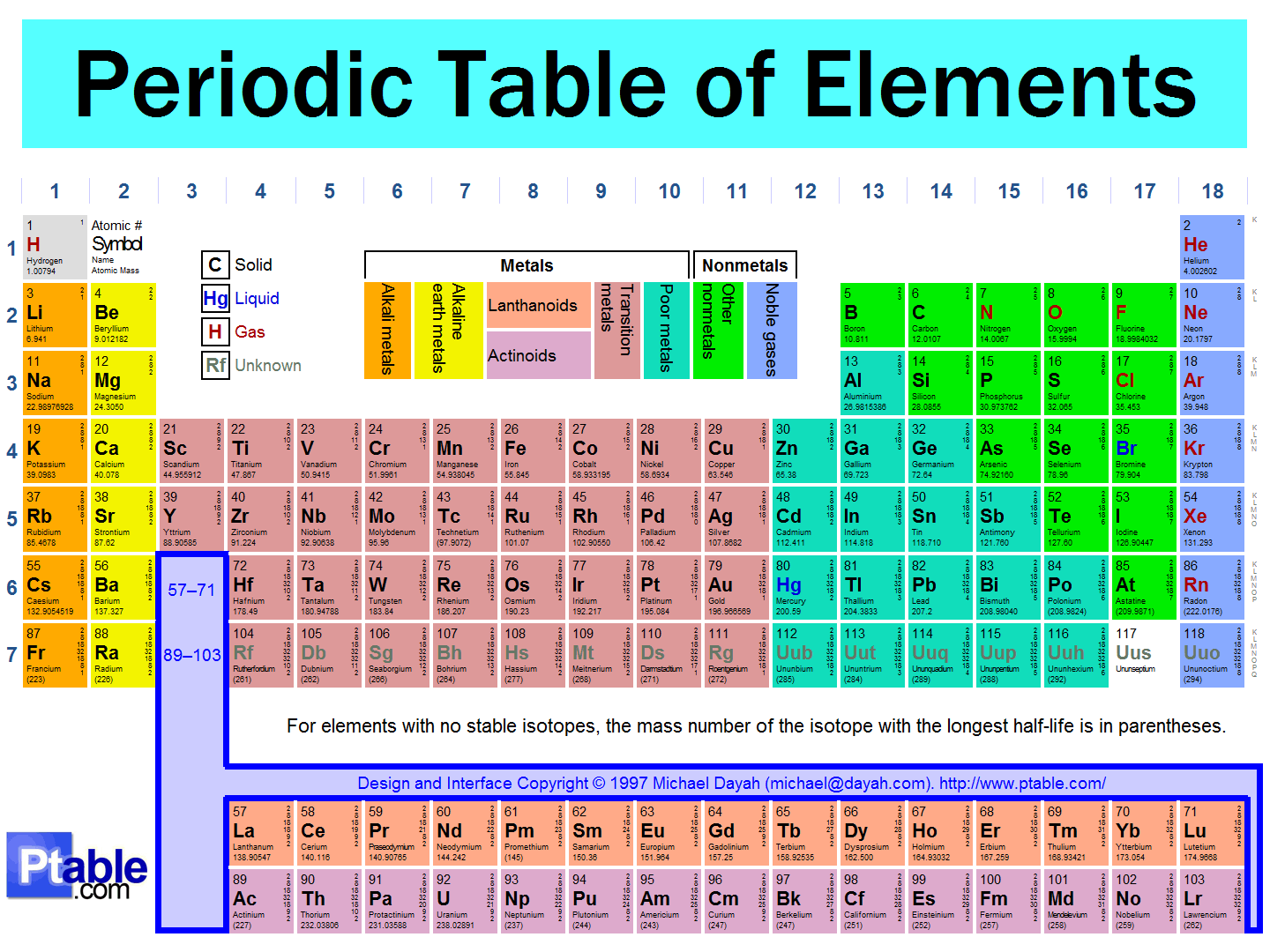
Each vertical column on the periodic table is called a...
group
tower
period
crew
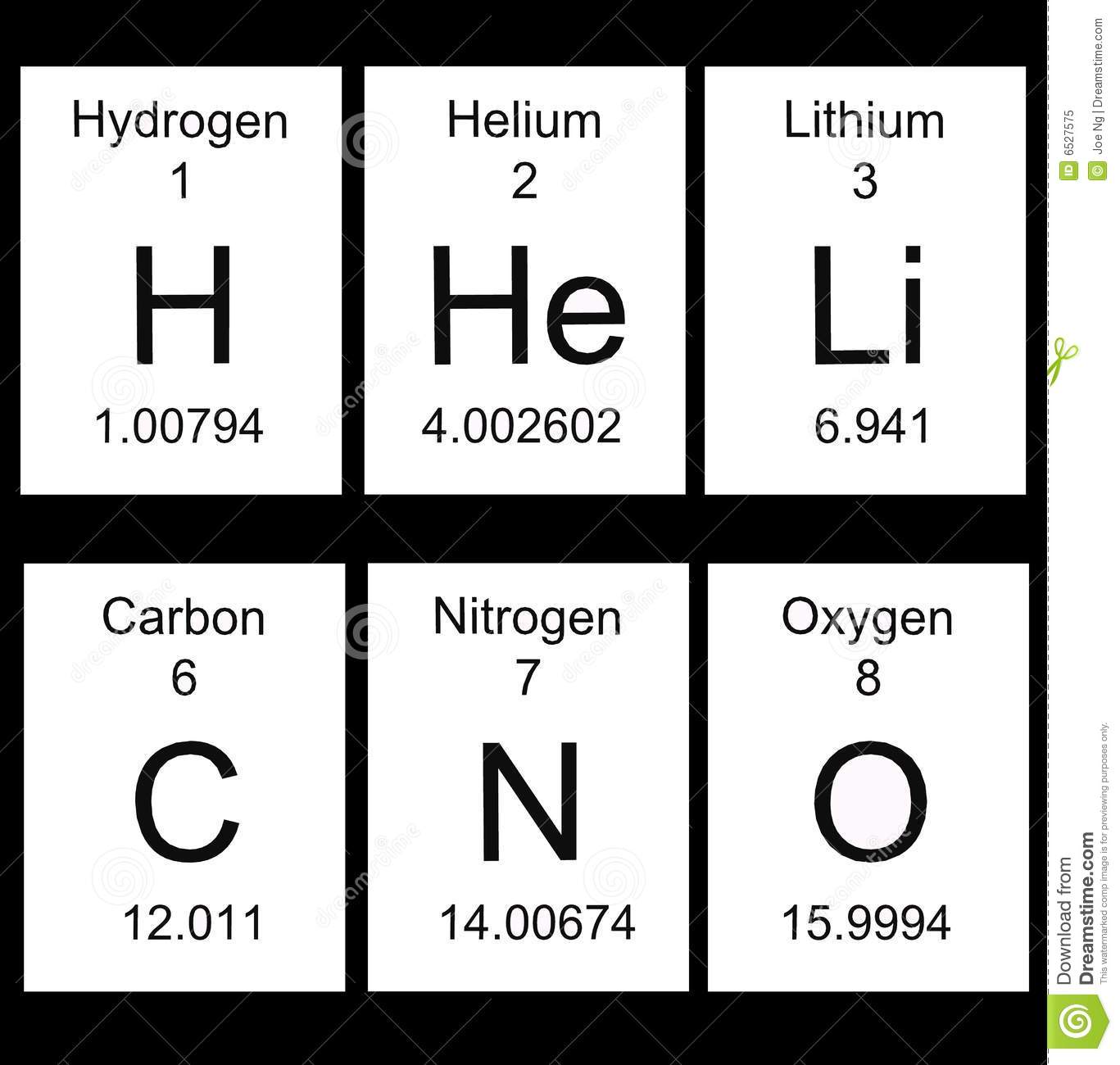
In each square of the periodic table, the number at the bottom is the:
atomic number
atomic mass
chemical symbol
element name
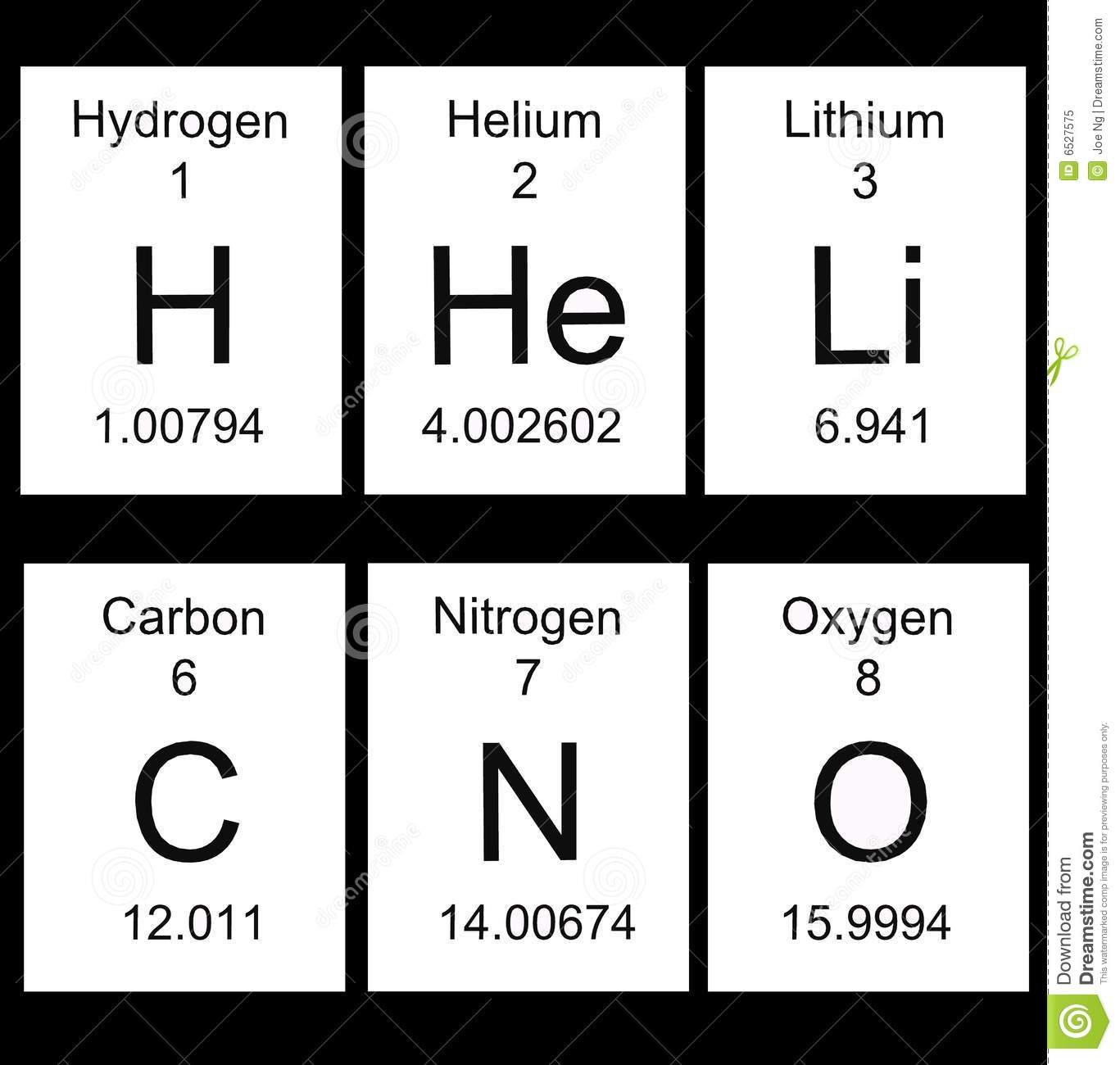
What is the chemical symbol for Lead?
Le
Fe
Ld
Pb

On the periodic table, elements on the right side of the "stair-step" line are classified as:
nonmetals
metals
gases
Halogens
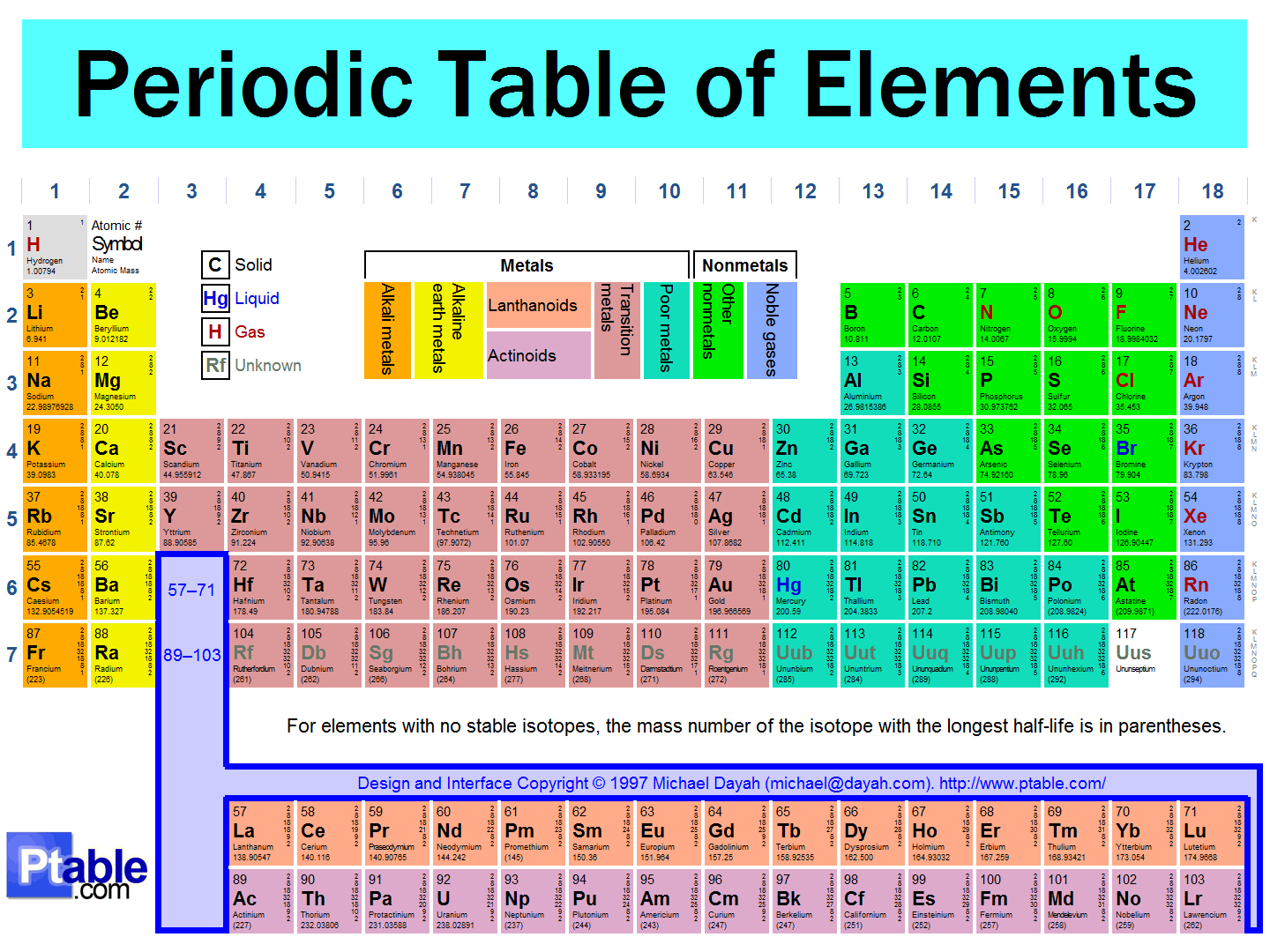
These elements located on the "stair-step" line are sometimes called "semiconductors."
Metals
Nonmetals
Metalloids
Groups

A ____________ substance has a definite volume and shape.
gas
liquid
solid
A ___________ substance has a definite volume but not a definite shape.
gas
liquid
solid
A _______________ does not have a definite volume or shape.
gas
liquid
solid
The particles in a _____________ vibrate, are close together, and do not move freely.
liquid
gas
solid
The particles in a ______________ are not fixed in place and can move from one place to another.
solid
liquid
gas
The particles in a ______________ can move easily in any direction.
gas
solid
liquid
True or False: Solids can easily change shape.
True
False
True or False: liquids take the shape of their container.
True
False
True or False: A gas will spread out and fill its container.
True
False
What happens to a substance with an increase in temperature?
it gains energy
it loses energy
its energy stays the same
Anything that has mass and takes up space is called
mass
volume
matter
solid
When a gas turns straight to solid.
sublimation
melting
deposition
evaporation
Diffusion occurs only in solids
True
False
How do the particles move in diffusion?
From a region of low concentration to a region of high concentration
From a region of high concentration to a region of low concentration
From a region of low concentration to a region of low concentration
From a region of high concentration to a region of high concentration
How long does diffusion last?
Until the concentration of particles in the system is equal
Until a region in the system has a greater concentration of particles than the other
Until the particles disappear from the system
JJ Thomson discovered what subatomic particle
nucleus
neutron
proton
electron
Rutherford discovered what part of the atom
nucleus
neutron
proton
electron
First person to propose the concept of an atom
Rutherford
Democritus
Dalton
Bohr
First person to propose the concept of an atom
Rutherford
Democritus
Dalton
Bohr
Who proposed the theory that atoms orbit the nucleus in specific orbits.
Bohr
Democritus
Rutherford
Chadwick
These particles are found in the nucleus
protons and electrons
nucleus and neutrons
protons and neutrons
electrons and neutrons
What are the three main groups of the periodic table?
groups
metal
nonmetals
metalloids
periods

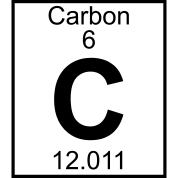
What group and period does this element belong in? *
period 1 and group 3
period 3 and group 1
period 2 and group 3
period 3 and group 2
How many atoms of sulfur are in each molecule of H2SO4?
1
4
2
7
Alanine is an amino acid with formula C3H7NO2. How many atoms in all are in each molecule of alanine?
3
7
12
13
Alanine is an amino acid with formula C3H7NO2. How many atoms in all are in each molecule of alanine?
3
7
12
13
How many atoms of carbon are in a molecule of vinyl chloride (C2H3Cl)?
1
3
6
2
How many atoms of hydrogen are in a molecule of glucose (C6H12O6)?
12
6
18
4
Which of the following statements accurately describes the number of atoms in a molecule of ammonia (NH3)?
Three atoms of nitrogen and three atoms of hydrogen
One atom of nitrogen and three atoms of hydrogen
Three atoms of nitrogen and one atom of hydrogen
One atom of nitrogen and one atom of hydrogen

Which of the following accurately describes the chemical formula of the molecule shown above?
3CH8O
C3H7O
C4H8O2
C3H8O
The smallest particle of matter that makes up an element and a compound?
Element
Chemical
Atom
Substance
Which statement best describes an element?
pure, made of more than one type of atom
when combined, a chemical reaction forms
pure, made of only one type of atom
can be broken down easily
Helium (He) is an example of an:
Element
Compound
Solution
Mixture
When two or more different elements chemically combine, a __________________________ is formed.
element
compound
mixture
solution

This picture represents which of the following?
element
compound

