Wayground logo

Free Printable Worksheets

Font size

S
M
L
XL
Worksheets

Class 5

Total questions: 64

Worksheet time: 1hrs 2mins

Name
Class
Date
1.

The directions that are midway between two cardinal directions.

a)

intermediate directions

b)

cardinal directions

c)

GPS directions

d)

location

2.

A term that means "half of the Earth"

a)

longitude

b)

equator

c)

latitude

d)

hemisphere

3.

This tells what the symbols on a map stand for

a)

map key

b)

map scale

c)

legend

d)

title

4.

North, South, East, and West

a)

map

b)

cardinal directions

c)

location

d)

intermediate directions

5.

Separates the Earth into east and west hemispheres

a)

longitude

b)

equator

c)

latitude

d)

Prime Meridian

6.

A type of map that includes boundaries, cities, and states

a)

climate map

b)

physical map

c)

political map

d)

population map

7.
Which part of the map show the directions?
a)
Map Title
b)
Compass Rose
c)
Map key or legend
d)
Grid Lines
8.
Which part of the map uses letters and numbers to help you find where something is located?
a)
Map key or legend
b)
Compass Rose
c)
Grid Lines
d)
Map Title
9.
What is located in E5?
a)
Twizzles
b)
Ice Cream
c)
Chips
d)
Pizza Hut
10.
Where is Classic Coke located?
a)
A3
b)
B1
c)
C3
d)
D4
11.
What continent is shown in red?
a)
Asia
b)
Africa
c)
Europe
d)
North America
12.
What continent is shown in red?
a)
Australia
b)
United States of America
c)
Africa
d)
Antarctica
13.

A map is a flat picture of the Earth.

a)

True

b)

False

14.

A continent is

a)

a large body of land

b)

a round, 3D object

c)

a tool that helps you find the direction you want to go

d)

a large body of water

15.

This is the continent of

a)

South America

b)

Africa

c)

Europe

d)

Asia

16.

What does this symbol mean?

a)

Bank

b)

Post office

c)

Hospital

d)

Supermarket

17.

Globe

a)
b)
c)
d)
18.

The area that receives the maximum heat is called

a)

Frigid zone

b)

Torrid zone

c)

Temperate zone

d)

None of these

19.

Latitude 23 1/2° N is called

a)

Tropic of Capricorn

b)

Arctic circle

c)

Tropic of Cancer

d)

Antarctic circle

20.

Latitude 66 1/2° south of the equator is known as

a)

Antarctic circle

b)

Arctic circle

c)

Equator

d)

Prime meridian

21.

The value of the prime meridian is

a)

90°

b)

0°

c)

231/2°

d)

60°

22.

The total number of longitudes are ?

a)

360

b)

180

c)

90

d)

60

23.

The frigid zone lies near?

a)

the Tropic of Cancer

b)

the Equator

c)

the Poles

24.

The Antarctic circle is located in ?

a)

the Northern hemisphere

b)

(b) the Southern hemisphere

c)

(c) the Eastern hemisphere

d)

the Western hemisphere

25.

What is the tilt of Earth's axis?

a)

33 degrees

b)

23.5 degrees

c)

45 degrees

d)

15 degrees

26.
What city is located at 32 degrees south and 150 degrees east?
a)
Shanghai
b)
Sydney
c)
Durban
d)
Calcutta 
27.
What is climate?
a)
What's happening in space at a time and place.
b)
What's happening in our atmosphere at a time and place
c)
The average weather over many years
d)
The average temperature over many years.
28.
What is weather?
a)
What's happening in space at a time and place.
b)
What's happening in our atmosphere at a time and place.
c)
The average weather over many years
d)
The average temperature over many years.
29.
Which factor does not influence temperature?
a)
latitude
b)
longitude
c)
ocean currents
d)
altitude
30.

Identify the factors that influence an areas temperature

a)

Mountain Ranges

b)

Latitude

c)

Altitude

d)

Distance from Large Bodies of Water

e)

Prevailing Winds

31.

What determines the major climate zones?

a)

altitude

b)

latitude

c)

ocean currents

32.

Describe the climate for the tropical zone.

a)

Very cold

b)

Very hot

c)

Different seasons (hot, cold, warm, cool)

33.
Height above the sea level means
a)
Latitude
b)
Altitude
c)
Meridian
34.

Which of the following resources would be considered renewable?

a)

coal

b)

wind

c)

metal ore

d)

natural gas

35.

What is the term for important nonrenewable resources that formed from the remains of living organisms?

a)

solar particles

b)

mineral sediments

c)

fossil fuels

d)

elemental energy

36.

What is the purpose of recycling?

a)

to produce resources

b)

to conserve resources

c)

to decrease resources

d)

to change resources

37.
Which group includes ALL renewable resources?
a)
Coal, trees, water, oil
b)
Water, wind, sun, plants
c)
Minerals, sun, natural gas, water
38.
What is a natural resource?
a)
Resources we get from our house
b)
Resources we get from people
c)
Resources we get from nature
39.

Renewable or Non-renewable: Coal?

a)

Renewable

b)

Non-renewable

40.
Hydroelectric energy uses...
a)
water to make electricity.
b)
hydrogen to make electricity.
c)
lightning in water to make electricity.
41.
______ and air are necessary for all living things to survive.
a)
Leaves
b)
Sand
c)
Water
d)
Apples
42.
When travelling short distances, you can conserve natural resources by ________.
a)
biking
b)
driving
c)
taking a train
d)
flying
43.
When we burn natural gas, it produces _______.
a)
soil
b)
food
c)
air
d)
heat
44.
A Fossil Fuel is
a)
Materials that are found on Earth that people use
b)
Rock that contains metal 
c)
Fuels that formed years ago from the remains of things that lived millions of years ago.
d)
Resources that cannot be replaced quickly enough to keep from running out. 
45.
What does reuse mean?
a)
Throw away
b)
Use again or more than once.
c)
Keep it
46.
What does reduce mean?
a)
Use a smaller or less amount of a resource
b)
Throw away
c)
Wash it 
d)
Comb it
47.
What does recycle mean?
a)
Make into smaller amounts
b)
Use again
c)
Convert our trash into into something that can be used agin
48.
This type of renewable energy converts the power of the wind to electricity.
a)
steam engines
b)
solar power
c)
wind turbines
d)
nuclear power
49.
Using the sun to make electricity...
a)
is called solar energy.
b)
is an easy way to make electricity. 
c)
should be done by everyone.
d)
is a free way to make electricity. 
50.

Hydroelectric power produces electricity using.....

a)

Wind

b)

Sunlight

c)

Moving water

d)

Dung

51.

How do fossil fuels affect the environment?

a)

Expensive

b)

Leaves fossils at earth's surface

c)

Causes air pollution when burned

d)

Bonds sediment.

52.

According to this graph, what is the total percentage of renewable energy resources

a)

5%

b)

14%

c)

86%

d)

95%

53.
Which of the following is NOT a way to conserve water?
a)
Turn off water while brushing teeth.
b)
Ignore leaky faucets.
c)
Wash only full loads of laundry.
d)
Use a broom instead of a hose to wash off driveway.
54.
What fossil fuel is in the image?
a)
Natural Gas
b)
Steam
c)
Coal
d)
Petroleum
55.
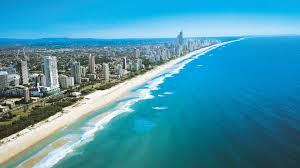
What is this landform?
a)
city
b)
coast
c)
bay
d)
river
56.
What is this landform?
a)
mountain
b)
canyon
c)
coast
d)
cliff
57.
What is this landform
a)
valley
b)
mountain
c)
hill
d)
glacier
58.
What is this landform?
a)
valley
b)
hills
c)
river
d)
lake
59.
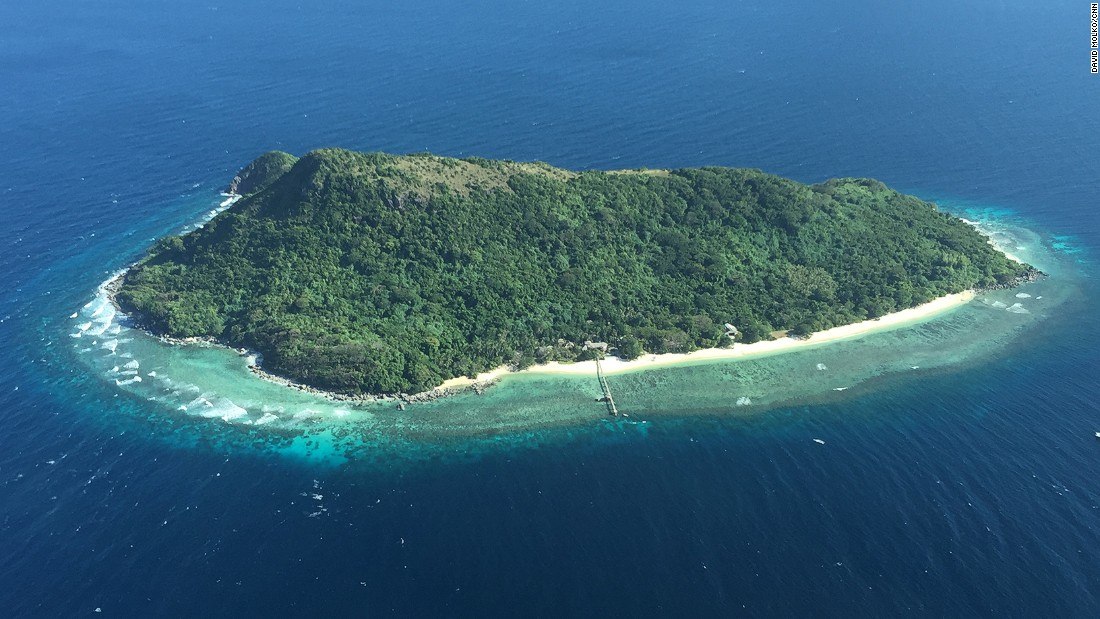
What land form is this?
a)
island
b)
valley
c)
plain
d)
mountain
60.
This canyon is a result of
a)
water erosion
b)
glaciers
c)
wind
61.
The type of formation shown is at the southern end of the Mississippi river. What is it called?
a)
coastal erosion
b)
a delta
c)
a loess
d)
sand dunes
62.

Hills formed by wind blowing, moving and depositing sand.

a)

Valley

b)

Dune

c)

Delta

d)

Canyon

63.
A high, wide area of land with steep sides is a ...
a)
inlet
b)
plateau
c)
canyon
d)
plain
64.
a)
ocean
b)
valley
c)
bay
d)
river