
Font size
 Worksheets
Physics
Total questions: 62
Worksheet time: 47mins
Define Artificial Light:
it can be controlled by god
it is the light which is made by god
not sure
It is the light which is made by man.
2 examples of artificial light
sun
bulb
lamp
northern lights
Define Artificial Light:
not sure
it is the ray of light
It is the light which is made by man.
it is a big light


which is a transparent object
glass
copper
iron
steel
Example for a luminous object.
The Sun
The Moon
Pencil
Walls
The property of light by which it travels in a straight line is known as
rectilinear propagation of light
lateral inversion
random motion
circular motion
Which of the following allows light to pass through it easily?
A metal plate
A glass tumbler
A book
A wooden block
a ruler sitting a cup of water appears to bend because the light changes speed when entering a different medium, this is called
relfection
refraction
diffusion
electromagnification
the scattering of light is called
refraction
reflection
diffusion
concavity
What type of surface will cause the diffusion of light?
smooth
rough
opaque
solid
I can see the the desks in the room because...
they are physical objects
the desks are not microscopic
the desks are reflecting light
they are a smooth surface
Why do you see lightning before you hear thunder?
light is brighter than thunder
light travels slower than sound
light travels faster than sound
you are closer to the lightning than the thunder
what are the three types of materials
transparent
smooth
translucent
rough
opaque
how are shadows formed
when light is strong
not sure
when light is weak
when the light source is the sun
when an objects blocks the path of light

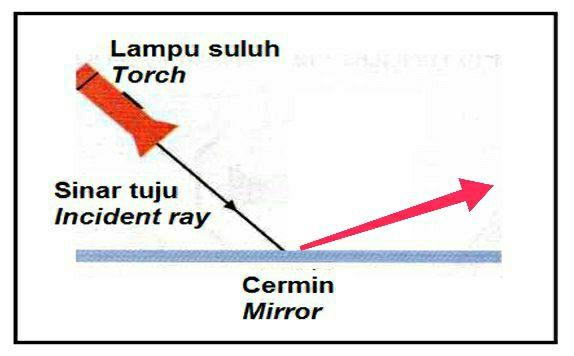
Diagram shows a phenomenon occurs when the spotlight is directed onto a mirror surface. What is the principle of light shown in the situation?
Light travels in a straight line
Refraction of light
Reflection of light
Light travels in parallel
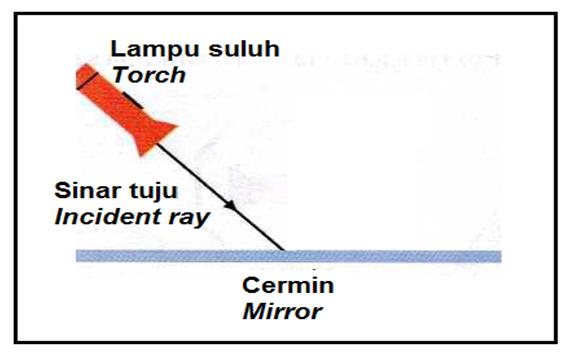
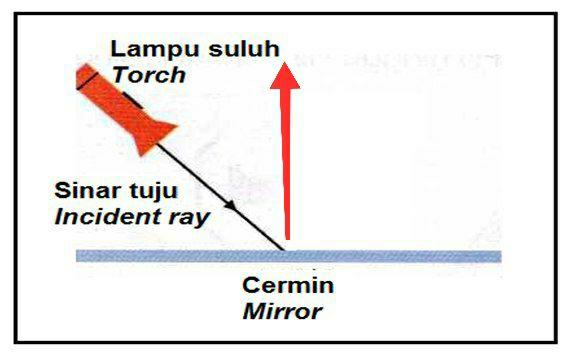
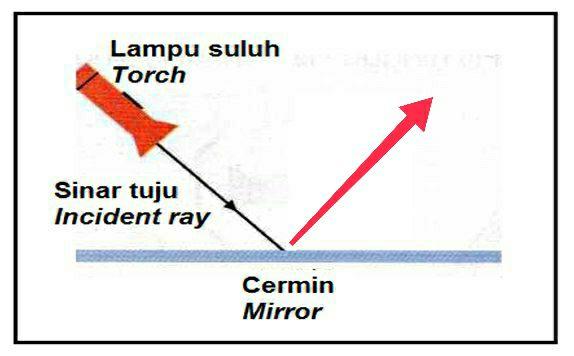
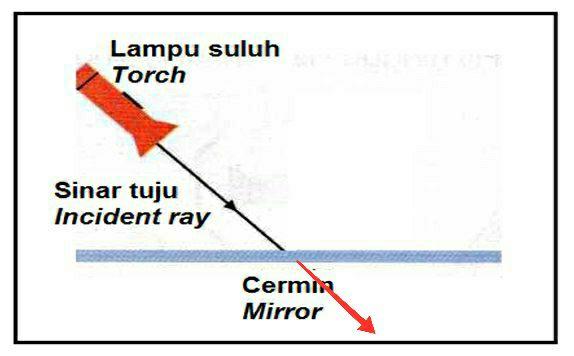
The following diagram shows the ray diagram when a torch light is torched towards a mirror. Which of the following is the correct reflected ray?

The following diagram shows a driver who could see the image of a vehicle behind him without turning his back.
Why?
Light travels in a straight line
Light is refracted
Light is reflected
Light travels in two different mediums
Tick the correct of TWO devices which use the principle of light reflection in our daily lives.


When does the light is refracted?
When light travels in a straight line
When light is bounced
When light travels in two different mediums
When light cannot pass through an opaque object

Diagram shows the condition of a spoon in a glass of water.
What can be observed about the spoon?
The spoon looks bent.
The water is clearer.
The water level rises.
Light is refracted.

What is the conclusion from your observation in this picture?
Light travels in a straight line
Light can be refracted
Light can be reflected
Light can pass through a transparent material

Which of the following shows that light travels in a straight line? Tick the correct answers.
A
B
C
D
E

This is an example of a ______________ object. Light travels in a straight line directly into our eyes.
Luminous
Non luminous
Opaque
Translucent

This is an example of a ________________ object. Light hits the book and some of the light is reflected into the eye.
Luminous
Non luminous
Translucent
Opaque
A transparent material
Allows no light to pass through it
Allows some light to pass through it
Allows light to pass through it
Allows light to pass through it, but depending on how bright it is

The light bulb on the left can be described as
Transparent
Translucent
Opaque
Non luminous
An opaque object produces a __________ which appears on the opposite side of the light source
Cloud
Reflection
Shadow
Optical illusion
True or false?
Heat is a source of energy.
false
true
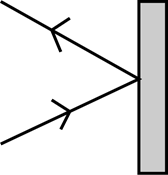
In the illustration, the light ray striking the object is-
What is the light production of the sun?
luminous material
non luminous material

Name the type of flame shown
Luminous flame
Non luminous flame
Luminous and non luminous flames
All of the above

Opaque means...
No light passes through it
All light passes through it
Some light passes through it
Following is an example of non-luminous light-
Sun
electric bulb
moon
candlelight
Following is an example of natural source of light
Moon
Earth
Sun
Burning oil lamp
Rectilinear propagation of light means
Light can travel in any direction
Light can change it directions whenever it hits an object
Light just spreads out into all directions
Light travelling in a straight line
Regulates the amount of light entering the eye and gives the eye its color.
Iris
Lens
Pupil
Retina


how can we see luminous objects
not sure
the light from the light source will travel to our eye
the light will reflect
the light will reflect from the light source to our eye
how can we see non luminous objects
not sure
the light will refract
the light from the light source will travel to our eye
First the light will travel to the object then it will reflect back to the eye of the person
we measure light with
(a)

