
NEW
Font size
 Worksheets
Circulatory Final
Total questions: 62
Worksheet time: 37mins
These cells play a vital role in defending the body against infection
Leucocytes
Erythrocytes
Blastocytes
Plasmacytes
_______ function in the life-saving process of clotting blood.
Phagocytes
Leucocytes
Erythrocytes
Platelets
True or false:
Arteries always carry blood away from the heart.
True
False
True or false:
Arteries always carry oxygenated blood.
True
False
The blood in the vena cava is...
oxygenated, returning to the heart
deoxygenated, returning to the heart
oxygenated, leaving the heart
deoxygenated, leaving the heart
The contraction/emptying phase of the cardiac cycle?
Systole
Diastole
The relaxing/filling stage of the cardiac cycle?
Systole
Diastole
Coronary arteries...
supply the heart muscle cells with a supply of blood.
supply the brain cells with a supply of blood.
contain deoxygenated blood.
when clogged, cause a stroke.
The type of blood vessel that normally carries de-oxygenated blood back to the heart from body cells?
arteries
capillaries
veins
The type of blood vessel where exchange of gases, nutrients, and wastes occurs?
arteries
capillaries
veins
A blood clot that travels through the circulatory system and eventually becomes lodged within a blood vessel?
aneurysm
embolism
thrombosis
atherosclerosis

The main vein(s) that brings blood to the right atrium?
Aorta
Pulmonary veins
Superior and Inferior vena cava
Jugular vein

Which choice below correctly identifies the layers of the heart from the most outer layer to the most inner layer?
epicardium, myocardium, endocardium
endocardium, myocardium, epicardium
myocardium, endocardium, epicardium
myocardium, epicardium, endocardium
The sac that surrounds and protects the heart?
endocardium
epicardium
myocardium
pericardium

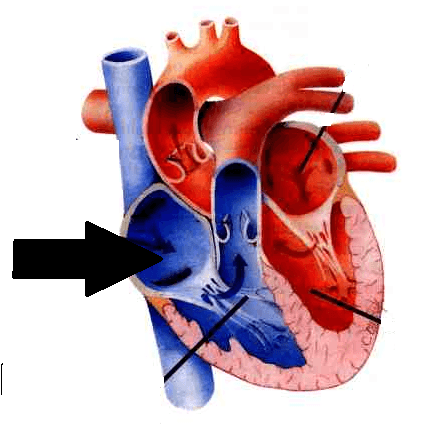
Name part I.
pericardium
mediastinum
septum
unknownum

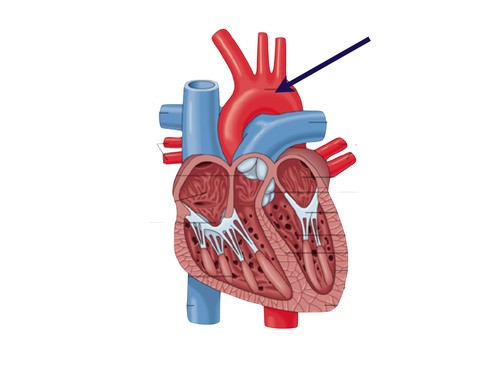
Name part B.
Pulmonary arteries
Pulmonary veins
Superior Vena cava
Aorta
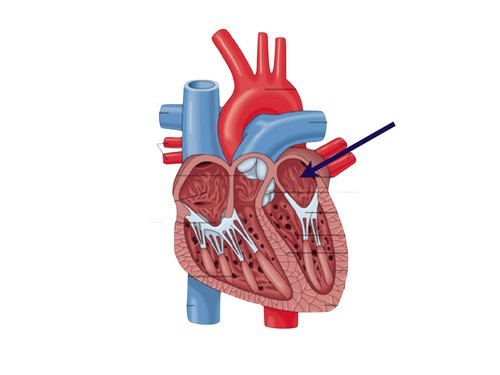
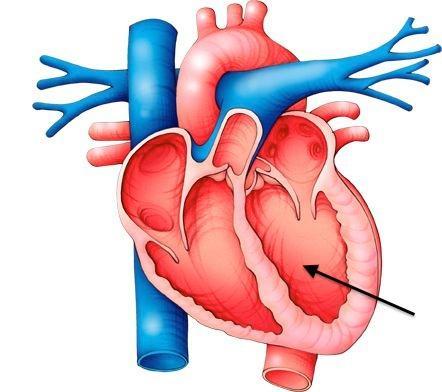
Largest artery in the body taking oxygenated blood to the body from the lower left chamber
Pulmonary
Radial
Aorta
Femoral
The blood enters on the left side of the heart (from the lungs) through the ______________ and enters the left atrium. It then passes through the _____________to enter the left ventricle.
pulmonary artery, mitral valve
pulmonary vein, tricuspid valve
pulmonary artery, aortic valve
pulmonary vein, bicuspid valve
Blood flows in the following sequence in the heart: Superior vena cava/Inferior vena cava, right atrium, tricuspid valve, right ventricle, pulmonary semi-lunar valve, pulmonary artery, lungs, pulmonary vein, left atrium, bicuspid valve, left ventricle, aortic semi-lunar valve, aorta
True
False
On the right side of the heart, blood flows from the right ventricle to the?
Tricuspid valve to the pulmonary vein
Pulmonic valve to the pulmonary artery
Tricuspid valve to pulmonary artery
Inferior vena cava to the aorta
The function of the valves is to...
Allow for the contraction of the heart.
Prevent back-flow.
Oxygenate the blood.
Supply the myocardium with oxygen.
On the right side of the heart, blood flows from the right ventricle to the?
Tricuspid valve to the pulmonary vein
Pulmonic valve to the pulmonary artery
Tricuspid valve to pulmonary artery
Inferior vena cava to the aorta

How much blood does an adult human have?
1-2L
2-3L
3-4L
4-6L
The amount of blood a person has depends on what?
Size
Gender
Hair color
Both size and gender
What is the normal pH of blood?
7.35-7.45
7.0-7.2
7.25-7.30
7.10-7.30
Blood plasma is made out of which components?
water, solutes, and platelets
water, proteins, and white blood cells
water, proteins, and solutes
water, proteins, and red blood cells
Formed elements include:
Erythrocytes, Leukocytes, and Thrombocytes
Erythrocytes, Leukocytes, and Plasma
Erythrocytes, Plasma, and Thrombocytes
Plasma, Leukocytes, and Thrombocytes
Where is blood made?
Liver
Bone marrow
Muscles
Heart
What type of white blood cell makes antibodies?
Monocytes
Lymphocytes
Neutrophils
Basophils
What is a red blood cell called?
Erythrocyte
Leukocyte
Thrombocyte
Osteocyte
What is a white blood cell called?
Erythrocyte
Leukocyte
Thrombocyte
Osteocyte
What element is needed for hemoglobin?
iodine
iron
calcium
potassium
What makes up around 55% of the blood?
Plasma
Red Blood Cells
White Blood Cells
Platelets
Blood cell that protect the body against infection
Platelets
Plasma
Hemoglobin
White Blood Cells
Blood
Types of cells in the blood that causes blood clots to form
Platelets
Blood
Plasma
Hemoglobin
White blood cells
Can donate red blood cells to only B & AB
Type O
Type AB
Type B
Type A
A universal donor
Type O
Type AB
Type B
Type A
Can donate red blood cells to only AB but can receive from all others.
Type O
Type AB
Type B
Type A
Can donate red blood cells to only A & AB
Type O
Type AB
Type B
Type A
Which blood cells are most abundant in the body?
lymphocytes
platelets
erythrocytes
eosinophils
Which of the following blood pressure readings is hypertensive?
160/100
130/80
120/70
90/50
Hemoglobin is found in
leukocytes
erthyrocytes
platelets
lymphocytes
The lack of red blood cells in the blood system is called
leukemia
anemia
hypertension
hemophilia

The blood clot shown starts in a vein in the legs then breaks off and moves to the lung. (note: it travels instead of staying in one place). This is
hemophilia
a thrombus
anemia
an embolus
Erythroblastosis fetalis is a condition caused by _____ and is treated with _____
Rh incompatibility, RHOGAM
AB incompatibility, angioplasty
blood clots, RHOGAM
lack of platelets, blood transfusion
If a RH negative mom has a RH positive baby this disorder would put her 2nd baby at risk for getting what condition?
erythroblastosis fetalis
multiple myeloma
hemophilia
sickle cell anemia

