
Font size
 Worksheets
year 9 periodic table and acids
Total questions: 50
Worksheet time: 49mins
As you move from left to right on the periodic table, the number of valence electrons.......
Increases
Decreases
Remains the same
As you move down a group on the periodic table, the number of valence electrons....
Increases
Decreases
Remains the same

The vertical (up and down) columns in the Periodic Table are called
groups
towers
periods
atomic numbers
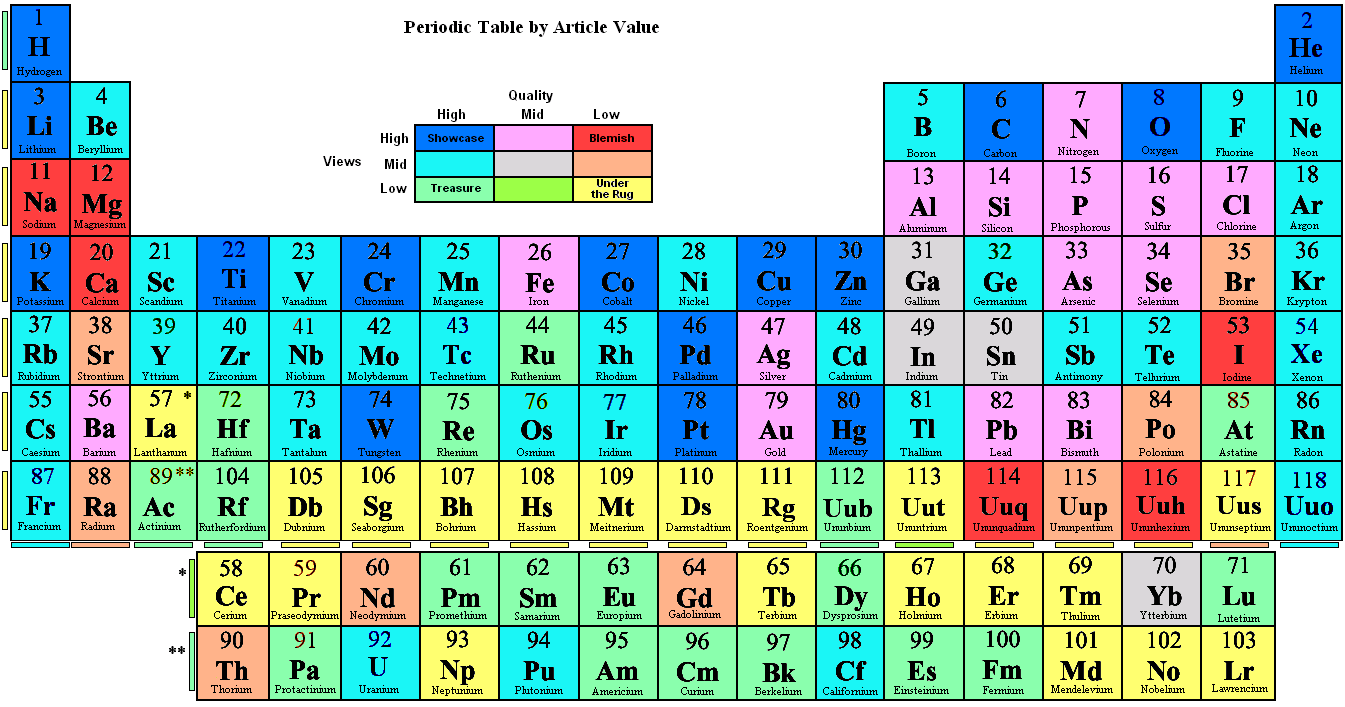
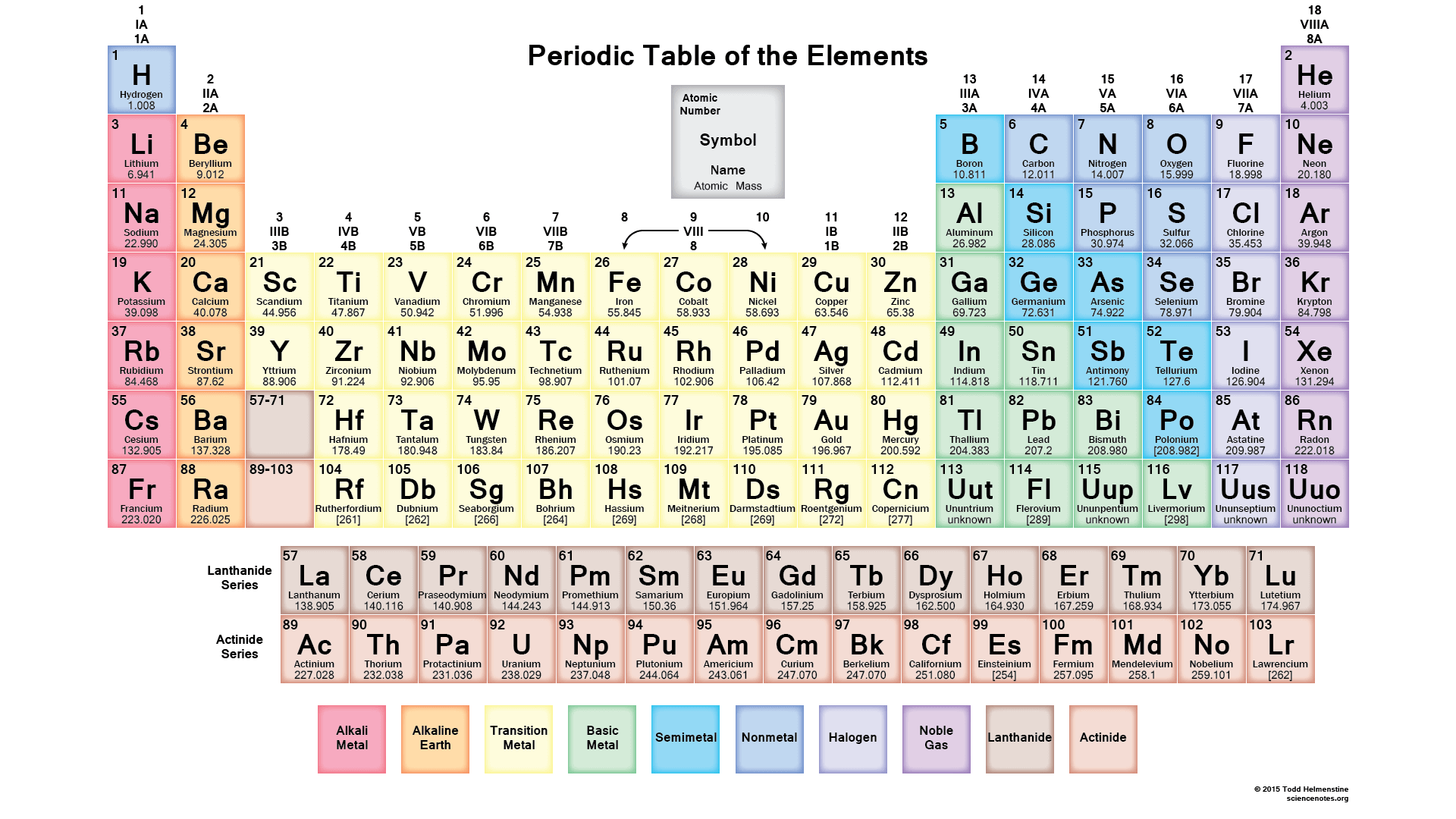
period
Elements that occur in vertical columns on the periodic table.
A horizontal row of elements in the periodic table
Found in group two of the periodic table; highly reactive
A subatomic particle that has a negative charge
A subatomic particle that has a negative charge
nobles gases
protons
electrons
neutrons
neutron
A subatomic particle that has a positive charge and that is found in the nucleus of an atom
not able to conduct heat or electricity, little to no metallic luster
A subatomic particle that has a negative charge
A small particle in the nucleus of the atom, with no electrical charge
not able to conduct heat or electricity, little to no metallic luster
Non-metals
noble gases
atomic mass
Neutron
gas at room temperature, low boiling point.
atomic mass
atomic number
Non-metals
noble gases



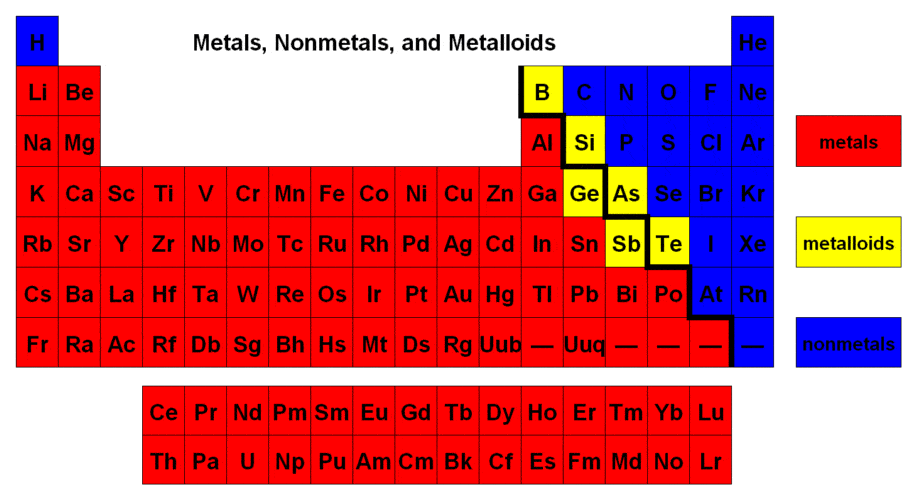
Which of the following element in period 3 would be classified as a metal?
Boron (B)
Sodium (Na)
Argon (Ar)
Silicon (Si)
What compound is made when calcium is burnt in the air?
Calcium Nitrate
Calcium Phosphate
Calcium Oxide
Calcium carbonate
The name of the elements present in mild steel
Iron and copper
Iron and carbon
Iron and nickel
Iron and chromium
what are elements
A substance that has many different atoms
A substance that is made up of just one kind of atom
A substance that has only properties of a metal
A metal which is made of different substances
Brass is an alloy made of
copper and zinc
copper and tin
copper and nickel
copper and aluminum
What do metals conduct well?
heat
electricity
circulation
music
Mixtures that do NOT behave as a pure substance have a melting range, not a melting point.
True
False
Why is steel alloyed with other metals?
To make It stronger
To make it lighter
To make it more resistant to corrosion
All of the above
Why are alloyed metals usually stronger?
They have atoms of different metals in them, which makes it easier for the layer to move past each other...less likely to break
They have atoms of different metals in them, which makes it harder for the layer to move past each other...less likely to break
Acidic oxides are
СO
SiO2
CO2
CaO
Examples of alkaline oxides are
SrO
SO2
CO
FeO
Which one of the following elements will burn in oxygen to form an acidic oxide?
carbon
calcium
magnesium
iron
Which of the following elements burns in air to form an oxide which, when shaken with water, gives a solution with a pH grater than 7?
carbon
hydrogen
magnesium
sulfur
Metal oxides
gases at room temperature
alkali solutions in water
solids at room temperature
acidic solutions in water
very soluble
Non metal oxides
Acidic solutions in water
Alkali solutions in water
Very soluble
gases at room temperature
liquids at room temperature
Metals are found on the (a) of the periodic table
Metals form (a) ions
Negative ions are formed when atoms (a) electrons to become stable



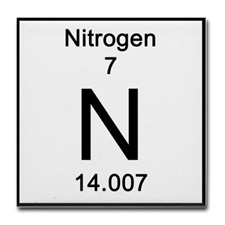
What is this element?
Beryllium (atomic #4)
Boron (atomic #5)
Carbon (atomic #6)
Nitrogen (atomic #7)
How many valence electrons does potassium have?
19
6
39
1
Cations are ions with what kind of charge?
positive
negative
neutral

How many electrons would beryllium lose when forming a cation?
1
2
3
4
ION ALUMINIUM
Al3+
Al
Al+
Al2+
S2-
Sulfide
Sulfite
Sulfate
Carbonate

