
 Worksheets
Stages of a river-3
Total questions: 30
Worksheet time: 15mins
Identify which part of the river you would find the mouth.
Upper
Middle
Lower
Identify which part of the river you would find the source.
Upper
Middle
Lower
Identify which part of the river you would find V-shaped valleys.
Upper
Middle
Lower
Identify which part of the river you would find a delta.
Upper
Middle
Lower
Identify which part of the river you would find an estuary.
Upper
Middle
Lower
Identify which part of the river you would find a waterfall.
Upper
Middle
Lower
Identify which part of the river you would not find a flood plain.
Upper
Middle
Lower
Identify which part of the river you would not find meanders.
Upper
Middle
Lower
Which way does a river flow?
Source to mouth
Mouth to source
Waterfalls and rapis
youthuful river stage
old rive stage
mature river stage
rejuvinated river stage
Rivers that are wide and flat are in what stage?
youthful
mature
old
Which is a characteristic of a youthful river?
wide, flat
steep gradient
many meanders
caused by earthquakes
During which stage do oxbow lakes form?
Mature stage
Old stage
Young stage
This kind of sediment is found in the Old stage of a river
Pebbles
Boulders
Silt
All of them
A flood plain is
a flat plain along the course of a stream or river
fine sand carried by moving or running water
height above sea level
A ____________ valley has steep sides of a valley and a narrow floor.
U-shaped
W-shaped
V-shaped
S-shaped
A steep drop in the bed of a stream causing the water in the stream to fall vertically.
V-shaped valley
Waterfalls
Boulders
Cobbles
When a stream begins to shift its course in a series of bends or turns.
meanders
mature stage
young stage
old stage
Larger meanders in a river cause...
meanders
ox-bow lakes
steep slope
sediment

What river feature does this image show?
Meander
Oxbow Lake
Tributary
Headwaters
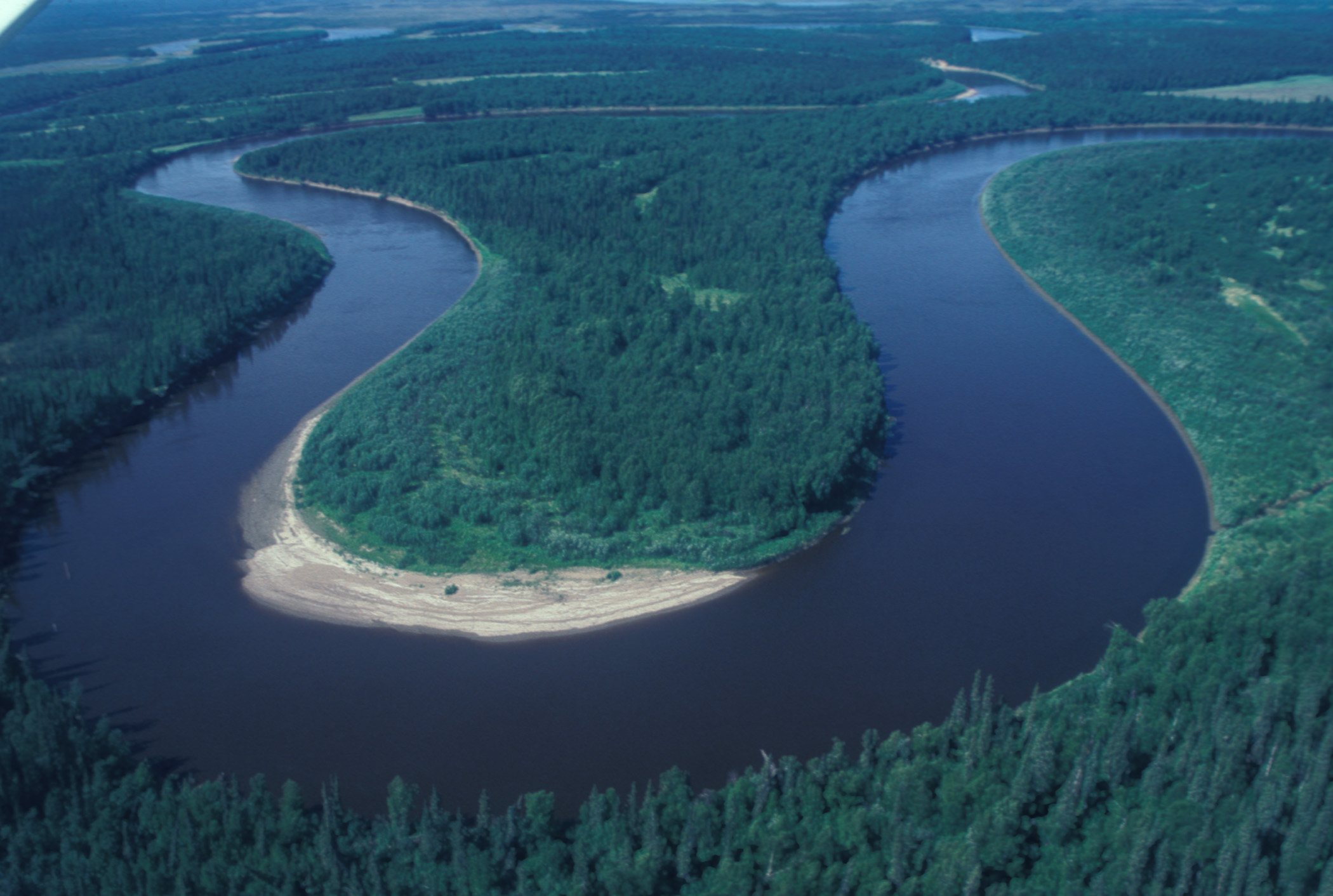
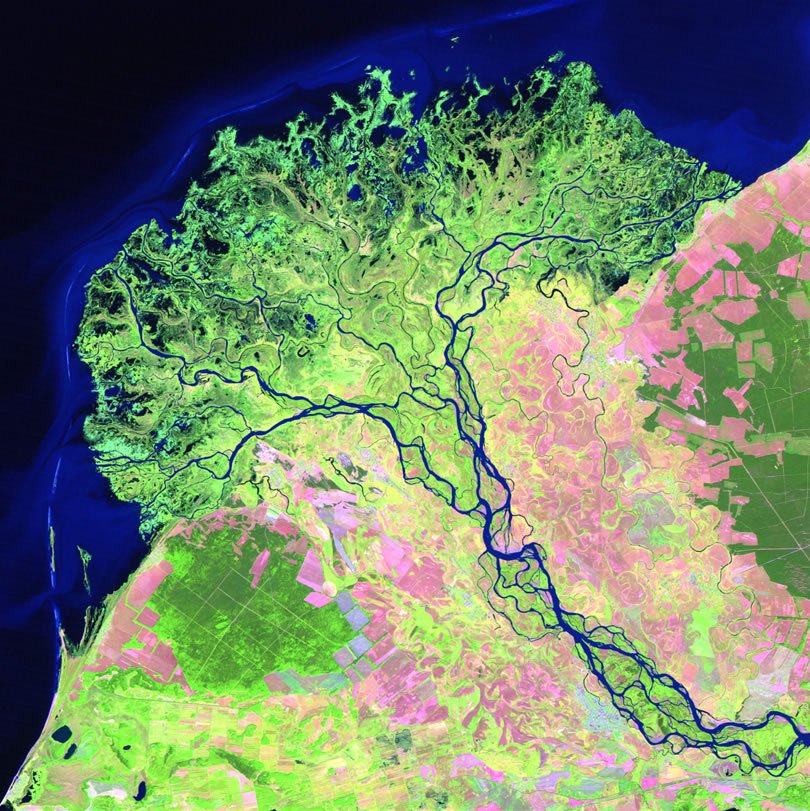

Where will there be the most erosion?
A
B
C
D

What is the name of the point where a river ends & empties into another river or large body of water?
Tributary
Water Shed
Confluence
Mouth

Deposition is when ...
Sediments and materials are moved along the river.
Sediments and materials are dropped along the river.
Sediments and materials are suspended in the water.
Sediments and materials are move into the ocean.

What stage of a river is closest to the ocean?
Youthful
mature
old
What stage of the river moves the fastest?
youthful
mature
old
They all move at the same speed
Which of the following is NOT usually found in the youthful stage of a river?
waterfalls
rapids
steep slope
meanders

