
 Worksheets
chapter-9 Mughal Chronicles
Total questions: 71
Worksheet time: 34mins
Who founded the Mughal Dynasty in India?
Babur
Akbar
Genghis Khan
Gandhi
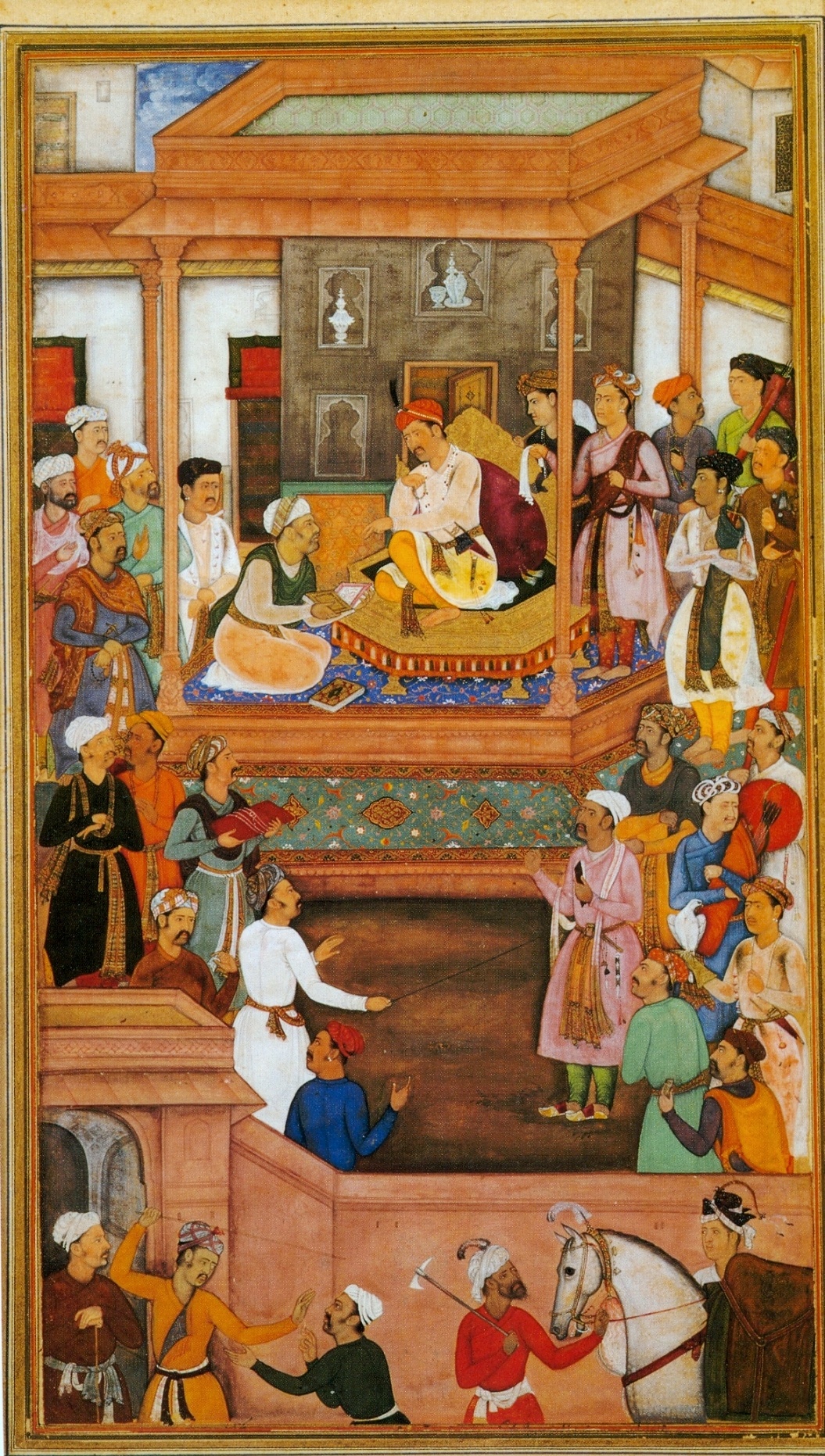
Who is considered the greatest Mughal ruler?
Babur
Akbar
Aurangzeb
Jahangir
Akbar the Great improved his empire in all these areas EXCEPT:
tax system
religious tolerance
economic improvements
world wide exploration
Ruler that built the Taj Mahal for his wife to serve as a tomb.
Akbar
Shah Jahan
Babur
none of these
This ruler was a religious conservative who did not allow freedom of religion.
Akbar
Aurangzeb
Shah Jahan
Babur
This ruler imprisoned his father, killed his brothers, and took the throne for himself.
Babur
Shah Jahan
Akbar
Aurangzeb
The Mughal Empire was situated in what modern nation?
Iran
India
Saudi Arabia
Turkey
What is the correct location of the Mughal Empire


Akbar tried to convert his subjects to a syncretic (blended) religion of Hindu and Islam as an attempt to reconcile the two, but failed as it proved to be unpopular. This was called Din-i-llahi, meaning __________________.
Divine Ruler
Divine Faith
Supreme Ruler
Ultimate Cosmic Power
Sikhism, a new religion developed from Hinduism, had supposedly inspired this Islamic mysticism known as ________.
Sikh
Sufi
Urdu
Zamindar
Which empires did Babur draw inspiration from when he established the Mughal empire's government? (Choose 2)
Ottoman
Safavid
Russia
Qing China
name
Shah Jahan built was building as a tomb for his wife?
Hagia Sophia
Globe Theater
Palace of Versailles
Taj Majal
Which Mughal Ruler went to asylum in Iran ?
Babur
Shah Jahan
Humayun
Bahadur Shah Zafar
The First Mughal Ruler was ?
Taimur
Babur
Humayun
Akbar
Where is the Tomb of Humayun located ?
Agra
Iran
Delhi
Ajmer
Which policy of Akbar made him stand out among the other Mughal emperors ?
Zamindari
Jagirdari
Religious tolerance
Gender equality
How much time did it take Shah Jahan to build the Taj Mahal ?
3 years
10 years
20 years
15 years
Why was Shah Jahan imprisoned by his own son ?
He was incompetent to rule
He was emptying the royal treasury
He was Against Aurangzeb
He was mentally unwell after his wife's death
Which religion did Akbar propagate?
Islam
Din-i-ilahi
Zoroastrianism
Buddhism
Against whom was the 1st battle of Panipat fought ?
Mughal Empire
Delhi Sultanate
Mongols
Lodi Empire
Who wrote the Akbarnama- the autobiography of Akbar ?
Abul Fazal
Todar Mal
Birbal
Tansen
Who is the author of Badshanama?
Shajahan
Abul Fazal
Abdul Hamid Lahori
Noorjahan
Notable emperors who contributed to Mughal architecture in india ?
Akbar
Shahjahan
Aurangazeb
Tipu Sultan
Raja ravi varma
Mughal monuments took inspiration from
Islamic Architecture
Arabic Architecture
Neolithic period architecture

This building was built as a victory symbol over the Gujarat and also referred as "Gate of Magnificence" is a high gateway built by Mughal Emperor Akbar in 16th Century A.D. It symbolizes the architectural prowess of the Mughals.
Buland Darwaza
Jama Masjid
Taj mahal
_______________ is one of the seven wonders of the world.
Agra fort
Taj Mahal
Qutab Minar
Ashoka’s Pillar
The Mughal Empire originated in the region of ___________________
Delhi
Deccan
Punjab
Kerala
The Mughal Emperor ______________ is also known also known as the Tiger
Akbar
Babur
Jahangir
Humayun
Akbar was the son of ________________
Babur
Sher Shah
Jahangir
Humayun
Akbar became the ruler at the age of _____________
15
17
13
14
Akbar built the remarkable ___________ beside Jamuna river.
Red Fort
Taj Mahal
Qutab Minar
Chaar Minar
Akbar laid the foundation of a secular state based on the principles of _____________________
Religious tolerance
Universal brotherhood
Political unity
all the above
Akbar’s reign is known as the ________________of Mughal Empire
Silver age
Architectural age
Golden age
Revolutionary age
Mughal architecture was known for its extensive use of _______________________ as a building material.
Hollow bricks
Red sandstone
Cement sandstone
Rocks
The famous Red Fort is situated in ______________
Punjab
Agra
Bombay
Goa
Mughal Architecture is influenced by:
Turkish Architecture
Persian Architecture
Islamic Architecture
All of the above
What are the main components of Mughal Architecture?
Water and Trees
Domes and Arches
The colour Black
Minimalism
When is the time period of Mughal Architecture in India?
16th - late 17th Century
13th - late 14th Century
11th - late 12th Century
During which Mughal Emperor's rule, maximum number of historical scenes were painted ?
Babur
Humayun
Shahjahan
Akbar
Which colours are used during Mughal Period ?
Black and Red
Orange and Yellow
Golden and Silver
Golden and Red
Who is the father of Jehangir ?
Humayun
Babur
Akbar
Shahjahan

Who is this ?
babur
akbar
shah jahan
I have no idea
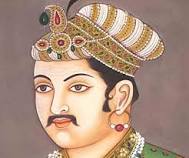
Who is this
Babur
Akbar
?
Humayun
Rank and salary were determined by a numerical value called_________
Rupayya
dehliwal
Zat
Rupees
The people who joined the mughal services were called__________
Mansabdars
Sultan
Governor General
Viceroy
The military responsibility of the mansabdars did not include-
Maintaining horses and having them branded.
Maintain a specified number of sawars.
got the cavalrymen registered
Giving clothes to the people as charity.
The mughal ruler who was not able to manage the mansabdars and jagirdars was
Babur
Akbar
Aurangazeb
Jahangir
The revenue system called Zabt was not implemented in _________due to powerful zamindars of that area
Gujarat and Bengal
Bengal and Bihar
Gujarat and Rajasthan
Gujarat and Delhi
Name the revenue minister of Akbar who surveyed the crop yields.
Todar Mal
Abul Fazl
Tansen
Birbal
The Mahabharata was translated in Persian language as_____________.
Alamgir
Razmnama
Hadis
Qalam
Abul Fazl worked on the Akbar Nama for_________years.
12
14
13
11
________is the author of Badshah Nama.
Abdul Hamid Lahori
Abul Fazl
Akbar
Gulbadan Begum
Two books translated into Persian during Akbar regime.
Babur nama and Ramayan
Panchtantra and Jatakas
Sutta Pitaka and Ramayan
Jatakas and Sutta Pitaka
Who translated Akbarnama into English language?
William Jones
Henry Beveridge
Nathaniel Halhed
Thomas Colebrook
Sawar indicates_______________ in Mughal administration.
No. of horses a manasbdar can keep.
Salary given to manasbdar
Land given to manasbdar
None
Who was diwan-i-ala in Mughal empire ?
minister of grants
revenue recorder
finance minister
qazi
Who was diwan-i-ala in Mughal empire ?
minister of grants
revenue recorder
finance minister
qazi

