
 Worksheets
Reproduction In plant
Total questions: 56
Worksheet time: 29mins

Which part produces pollen?
3
4
6
7
Which part produces ovules?
3
4
5
7
Which number is the male reproductive part of the flower?
1
6
8
9
Which part is number 3?
stigma
anther
filament
style
Which part is number 8?
Stamen
Stigma
Pistil
Anther
Which part is number 9?
Stamen
Stigma
Pistil
Anther

The tip of the style that has sticky hairs to trap pollen is the ____________.
Stamen
Stigma
Anther
Style
What results in seed formation?
Asexual reproduction
Sexual Reproduction
Mitosis
None of the above
__________________________ is the process of transporting the male gamete from the male flower parts to the female flower parts.
Asexual reproduction
Pollination
Photosynthesis
Vasculation
After fertilization, what does the ovary develop into?
Seed
Fruit
Bud
Flower
After fertilization, what does the ovule develop into?
Seed
Fruit
Bud
Flower
Seed structure that grows become roots
radicle
plumule
cotyledon
endosperm
Seed structure that grows become stem and leaves
radicle
plumule
cotyledon
endosperm
Seed structure that stores nutrients
radicle
plumule
testa
cotyledon
Conditions for germination are sunlight, air and (a)

Which of the following describes process no.2?
First leaves grow and carry out photosynthesis
Plumule becomes stem and leaves
Radicle becomes root
Seed coat is broken
Which of the following describes process no.3?
First leaves grow and carry out photosynthesis
Plumule becomes stem and leaves
Radicle becomes root
Seed coat is broken
Which of the following describes process no.1?
First leaves grow and carry out photosynthesis
Plumule becomes stem and leaves
Radicle becomes root
Seed coat is broken
Which of the following describes process no.4?
Leaves grow and carry out photosynthesis under sun
Plumule becomes stem and leaves
Radicle becomes root
Seed coat is broken
When a plant grows from a seed
growing
germination
sprouting
radical
The purpose of seed dispersal is for the seeds to __________.
germinate at the same time
move to the same place and grow
move further away from the parent plant
compete with one another for minerals in the soil

How are dandelion seeds dispersed?
by animals
by explosion or bursting
by wind

How are coconuts dispersed?
by animals
by water
by wind
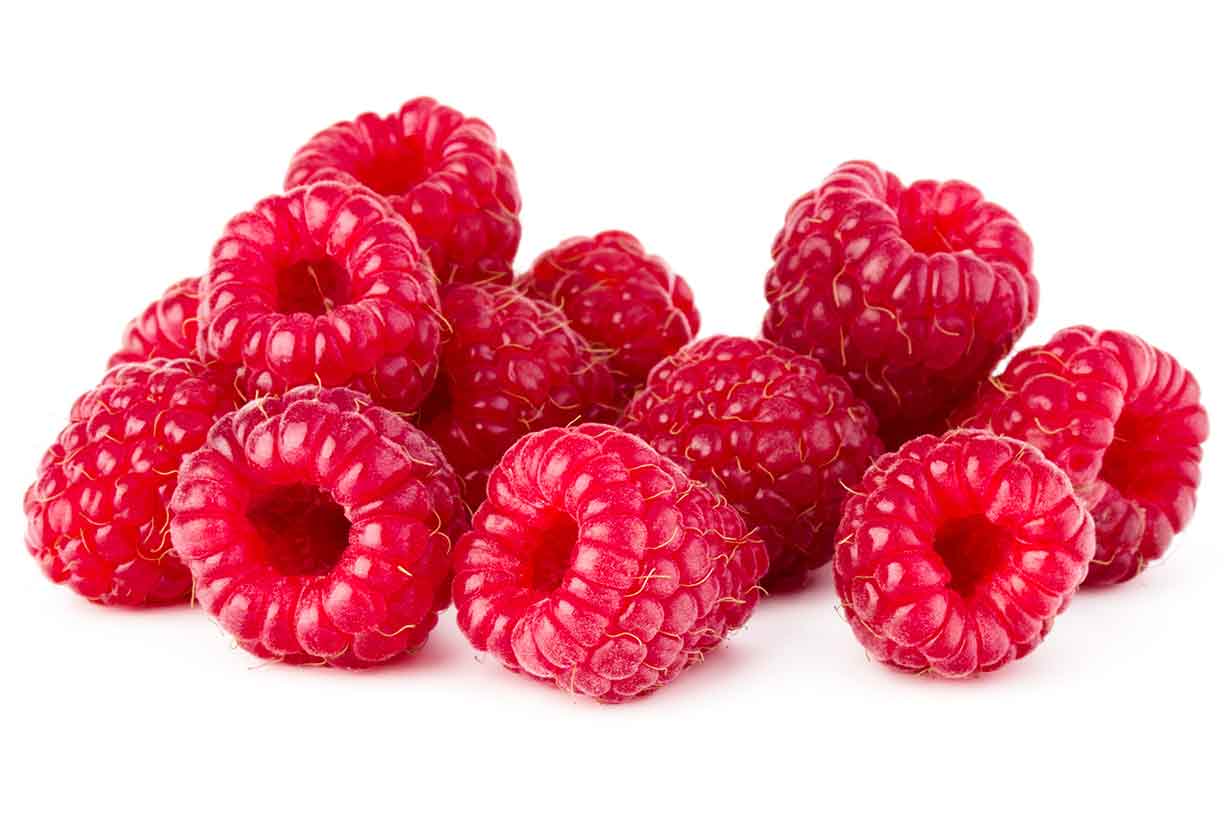
How are raspberries dispersed?
by animals
by explosion or bursting
by water
Why it is better for seeds to be scattered far and wide?
To provide shelter to other animals.
For farmers to see which soil is good for the plants.
For plants to have a better chance of growing healthier.
State the characters ideal for dispersion by wind.
Small, light and hair-like
Small, light and sharp hooks
Big, light and fibrous husk
Big, light and explode

Why are shorea seeds able to be dispersed by the wind?
It is light and has wing-like structure
It has hooks to hook onto the fur of animals
It has a fibrous husk that makes it float
It has dry pods that split open
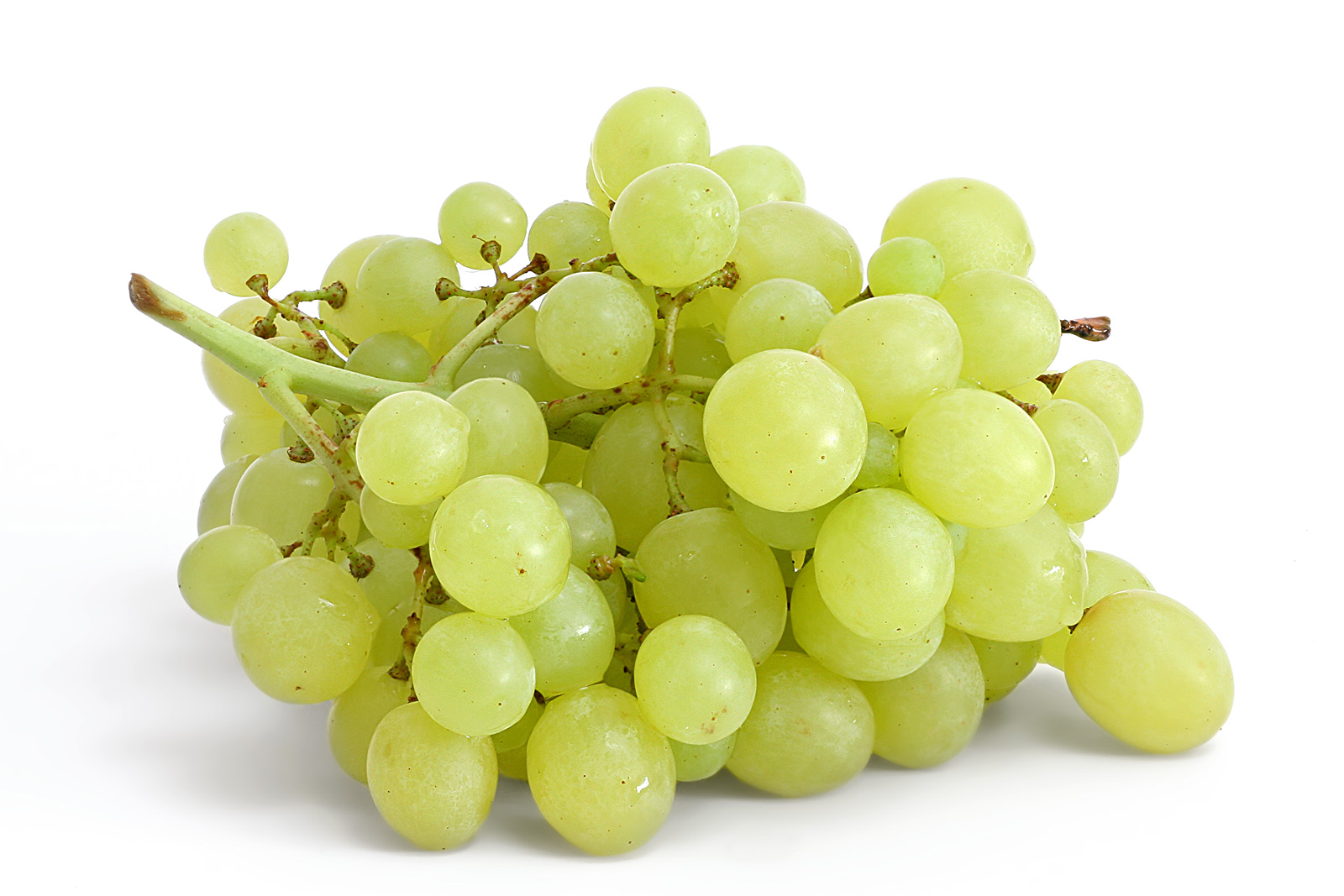
Why are grape seeds able to be dispersed by animals?
It is light and has wing-like structure
It is juicy and edible
It has a fibrous husk that makes it float
It has dry pods that split open

State the method of dispersal for this seed/ fruit.
Wind
Animal
Water
Splitting Action
What are the characteristic of the seeds dispersed by man and animals?
A: Can float on water
B: Sweet and juicy
C: Have hooks or stiff hairs
D: Have wing-like structures and are light
A and B only
B and C only
C and D only
A, B and C only

Jeff grew his plant in a small pot. He placed the pot outside and watered the plants every day.
However, after a few weeks, the plants died. What is the likely reason for this to happen?
Unfertilised soil
Not enough water
Not placed under sunligt
Overcrowding
A mystery fruit was said to be dispersed by water.
How can one confirm this statement?
A: Place the fruit on water to see if it floats.
B: Find the mass of the fruit by putting it on a weighing scale.
C: Cut open the fruit to see if it has a fibrous husk.
D: Cut the fruit to see if it containts water.
A and B only
B and D only
A and C only
C and D only
Name the floral rewards provided to animals that help in pollination.
Nectar
Pollen Grains
Both 1 and 2
None of these

What helps pollen move form one plant to another?
hummingbirds
bees
butterflies
all of the above
After being pollinated, a flower will produce a _______.
seed
another flower
magic spell
bird
Which word could describe the stigma in a wind pollinated flower?
feathery
sticky
smooth
light
Which process happens first...
Pollination and then fertilisation
Fertilisation and then pollination
What is fertilisation?
The process of transferring the pollen from one flower to another
The fusion of the male and female gamete
The growth of an embryo
Pollination is -
Transfer of corolla by the insects
Transfer of pollen from anther of one flower to the stigma of another flower
It is the process of loss of water
Which of the following flowers is pollinated by insects?


Which of the following flowers is pollinated by wind?


Which of the followings are characteristics of insect-pollinated flowers:
Large and brightly coloured petals.
Scented flowers.
Parts of the stamens hang outside the flower.
Small sticky stigmas, and found within the flower.
Do not produce nectar.
Which of the followings are characteristics of wind-pollinated flowers:
Small and dull-coloured or no petals at all.
Scented flowers.
Parts of the stamens hang outside the flower.
Have smooth, small and light pollen grains.
Do not produce nectar.
Wind-pollinated flowers have stamens found within the flower.
True
False
Wind-pollinated flowers have large and feathery stigmas to catch pollen grains and hang outside the flower.
True
False
Insect-pollinated flowers usually produce nectar.
True
False

