
 Worksheets
Culture and socialization
Total questions: 50
Worksheet time: 29mins

People who share the same language and live in the same area can have a different culture:
True
False

Culture is a set concept, therefore, there is a set number of cultures in our world today:
True
False

Cultural patterns that are a separate part of a segment of society's population is known as a/an:
Suburb
Subgroup
Counterculture
Counterintelligence

Judging one culture based on the beliefs and values of another is known as:
Afrocentrism
Judgementalism
Egocentrism
Ethnocentrism
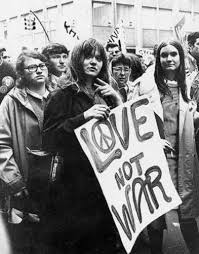
A subgroup that pushes back on the mainstream culture in an attempt to change how society functions is known as the:
Subgroup
Radical Culture
Counterculture
Marginalized

The beliefs and behaviors that a social group shares is known as:
Culture
Counterculture
Subculture
Religion

There can be a culture without a society
True
False

What is the most accurate difference between a culture and a society
A society is always large
A culture has a territory
There is no difference between them
A society has a territory

_________________ define how to behave in accordance with what a society has defined as good, right, and important, and most members of the society adhere to them.
Norms
Narms
Majorities
Stereotypes
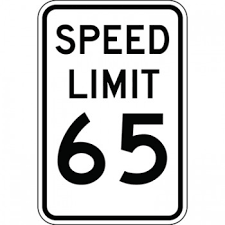
A speed limit sign is an example of a/an:
Formal Norm
Informal Norm
Assertion (A)- Man is the product of the cultural milieu in which he is born.
Reason (R)- Culture determines every aspect of human personality.
(a) Both A and R are individually true and R is the correct explanation of A.
(b) Both A and R are individually true but R is not a correct explanation of A.
(c) A is true but R is false
(d) A is false but R is true.
Significant shift over time in cultural practices, including norms and values.
social change
suffrage
The Roaring Twenties
Harlem Renaissance
Read this passage:
Fog everywhere. Fog up the river . . . fog down the river, where it rolls defiled among the tiers of shipping, and the waterside pollutions of a great (and dirty) city. . . . Fog lying out on the yards, and hovering in the rigging of great ships; fog drooping on the gunwales of barges and small boats. Fog in the eyes and throats of ancient Greenwich pensioners, wheezing by the firesides. . . . Chance people on the bridges peeping over the parapets into a nether sky of fog, with fog all round them, as if they were up in a balloon and hanging in the misty clouds.1
—Charles Dickens, Bleak House
What was a major cause of the conditions described in the passage?
The increase of women in the workforce
The increase in division between social classes
The growth of economic inequality
The spread of steam-powered factories and mills
It is illegal to go 100 miles an hour on Dundee Road, is an example of a:
law
custom
suggestion
cultural landscape
The feeling a person may have when experiencing a cultural norm that is outside of their cultural background.
culture shock
acculturation
cultural diffusion
society
An example of non-material culture
house
American flag
religious belief
basketball
Assertion (A) – Cultural change is always planned.
Reason (R) – Societies sometimes resistant to change.
(a) Both A and R are individually true and R is the correct explanation of A.
(b) Both A and R are individually true but R is not a correct explanation of A.
(c) A is true but R is false
(d) A is false but R is true.
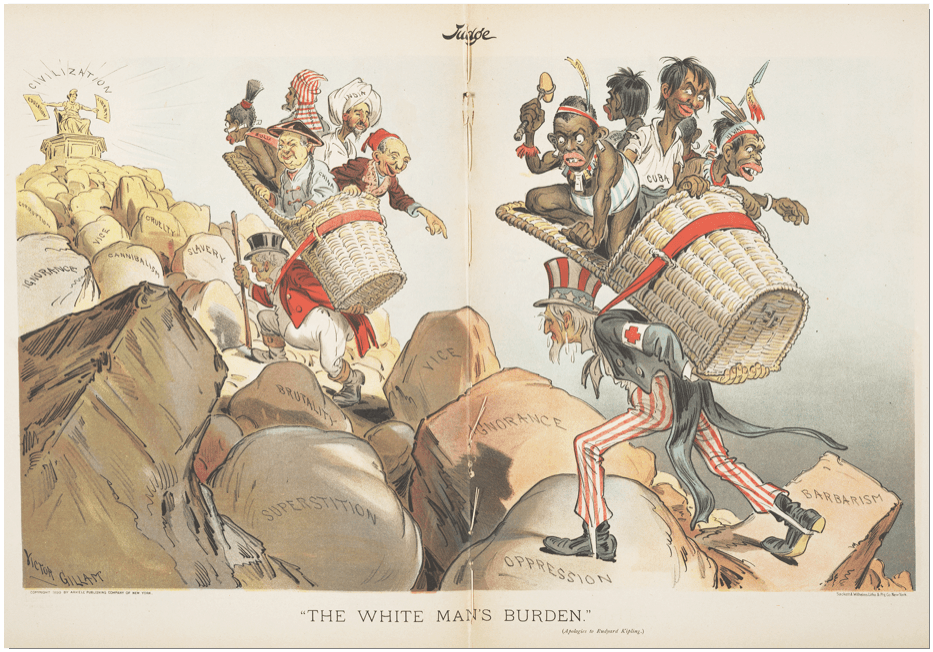
The tendency for one to view one’s own culture and group as superior
Cultural Universal
Self-centered
Selfishness
Ethnocentrism
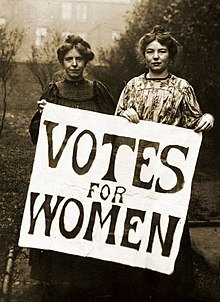
Groups that go against the norms and beliefs of the larger culture
Alternative Culture
Subculture
Counter Culture
New Culture

Norms that have great moral significance attached to them are made into
Movies
Laws
Children names
Beliefs

How to act in society and in specific situations
Social Norms
Values
Expectations
Beliefs
A smaller culture held by a group of people who live and interact with the main culture of a society.
Subculture
Counter Culture
Deviants
Culture
Value is the a societies measurement on what is good and what is bad.
True
False
An example of a social institution is
The Economy
Schools
The Government
The Family

This is Material Culture
Family Structure
Religious Belief
Cat Clothing
Political Belief
what can subcultures be based on?
mainstream society
similarities
age, political beliefs, religion, ethnicity, religion
differences from wider society
The quality of mind (way of thinking) that allows sociologists to imagine the relationship between our individual circumstances and larger social forces.
Definition of Sociology
The concept of sociological imagination
The process of social construction of reality (norms)
What type of culture consists of the non-physical products of society, including symbols, values and beliefs?
non-material culture
material culture.
Socialization happens best by : ..........
Interacting with other humans
Living in a cave
Interacting with animals
Interacting with chemicals
Socialization begins at birth and continues ..........
until age of 12
until age of 21
until middle age
throughout life
Socialization takes place through a process of cultural ......
isolation
diffusion
transmission
development
The case histories of Wolf-children of Midnapore’, showed ....
the effects of prolonged and intensive human contact.
the way that socialization may occur even in isolation
how important socialization is to development.
how development is independent of socialization.

