Wayground logo

Free Printable Worksheets

Font size

S
M
L
XL
Worksheets

Physical and Chemical changes

Total questions: 57

Worksheet time: 4hrs 50mins

Name
Class
Date
1.
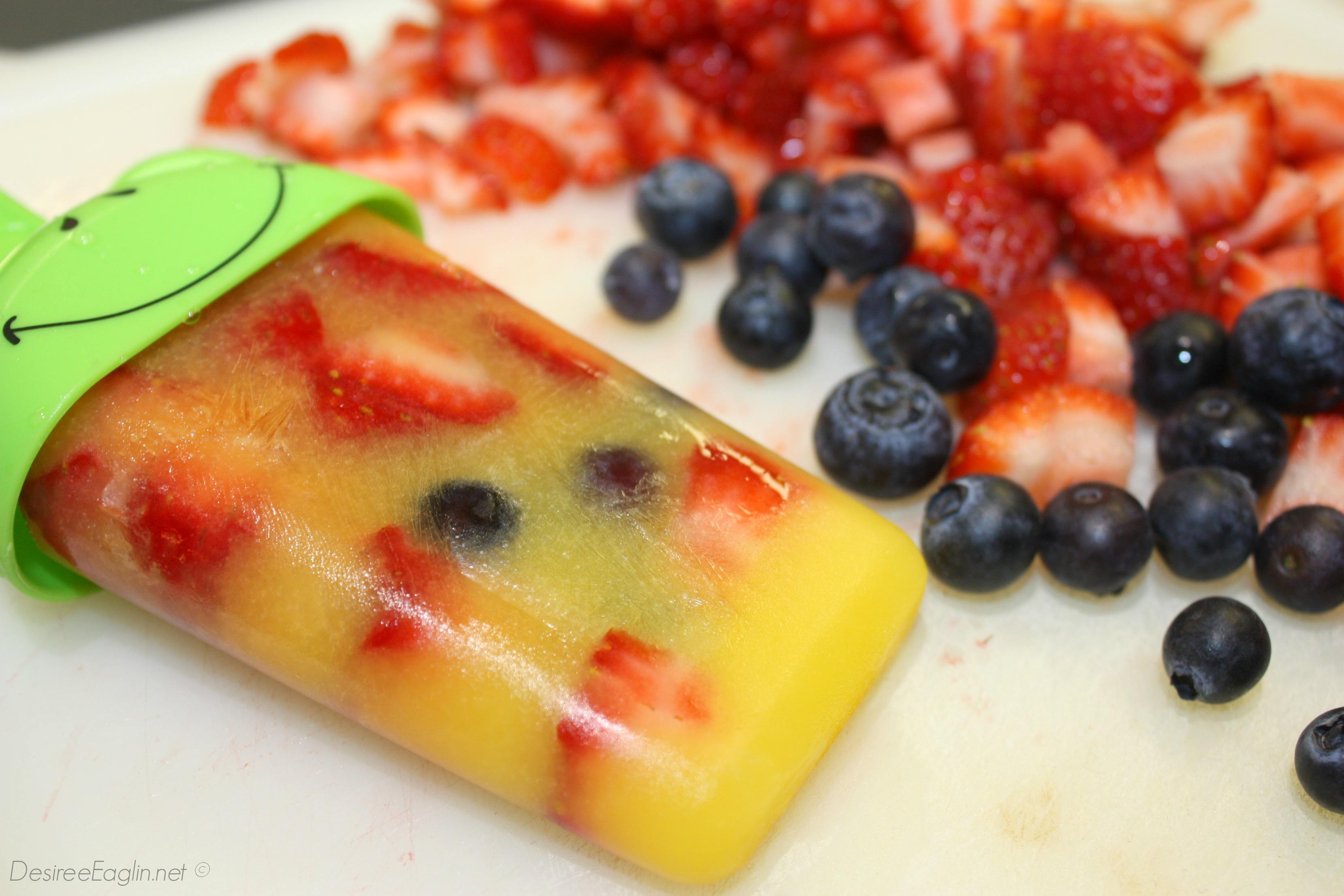
Freezing Juice?
a)
Physical Change
b)
Chemical Change
2.
Exploding Fireworks?
a)
Physical Change 
b)
Chemical Change 
3.
Exploding Fireworks?
a)
Physical Change 
b)
Chemical Change 
4.
Which of the following is a sign that a chemical reaction has occurred?
a)
change in shape
b)
melting
c)
formation of a gas
d)
dissolving
5.

Is melting butter for popcorn a chemical or physical change?

a)

chemical

b)

physical

6.
Which of the following is NOT an example of a physical change?
a)
crumpled paper
b)
pencil sharpening
c)
shrunken clothing
d)
rust
7.
Freezing Juice?
a)
Physical Change
b)
Chemical Change
8.
A change where one or more new substances are created.
a)
Physical Change 
b)
Chemical Change 
9.

Change in color is a physical change.

a)

True

b)

False

10.
Fizzing, foaming, and burning are all examples of
a)
Chemical change
b)
Physical change
11.

Rust on an iron bar is an example of chemical change.

a)

True

b)

False

12.

When you break a cracker into pieces it is a...

a)

Chemical change

b)

Physical change

13.
Photosynthesis is an example of a
a)
physical change
b)
chemical change
14.
Dissolving sugar in water is an example of a 
a)
physical change
b)
chemical change
15.
Digesting your food is an example of 
a)
chemical change
b)
physical change
16.

The melting of wax is an example of a

a)

chemical change

b)

physical change

17.

Cutting a log in to small pieces is a chemical change.

a)

true

b)

false

18.
Which is an example of a chemical reaction?
a)
paper cut into small pieces
b)
chocolate melting in a pan
c)
flour and sugar mixed in a bowl
d)
cookies baking in an oven
19.
Melting a chocolate bar?
a)
Physical Change
b)
Chemical Change 
20.
Rotting bananas?
a)
Physical Change
b)
Chemical Change
21.
Cutting your hair?
a)
Physical Change
b)
Chemical Change
22.
Is spoiling food a physical or chemical change?
a)
phyiscal
b)
chemical
23.
Is sqeezing organges to make orange juice a phyical or chemcial change?
a)
physical
b)
chemical
24.
If enough heat is taken away from a container of water, what will happen to the water?
a)
It will begin to boil.
b)
It will become a solid.
c)
It will turn into a gas.
d)
It will increase in weight.
25.
What happens when a piece of wood burns?
a)
A physical change takes place.
b)
A chemical change takes place.
c)
The wood loses its gravity.
d)
The wood loses its inertia.
26.
Which answer makes a correct statement?
a)
Physical change only changes the size.
b)
Physical change only changes the color.
c)
Physical changes begin and end with the same matter.
d)
Physical changes change the matter into something total different.
27.
Which is NOT an example of condensation?
a)
Dew is found on the grass on a summer morning.
b)
Drops of water form on a cold can of soda on a hot day.
c)
A bucket of water left uncovered eventually becomes empty.
d)
The walls of a bathroom are damp after someone takes a showers.
28.
The diagram below shows changes happening to water in a specially shaped bottle.
What changes did the water undergo?
a)
melting and then freezing
b)
freezing and then evaporation
c)
condensation and then melting
d)
evaporation and then condensation
29.
Which action would cause the weight of an object or substance to decrease?
a)
stirring it
b)
burning it
c)
freezing it
d)
dissolving it
30.
Which property of a substance depends on how much of the substance there is?
a)
mass
b)
density
c)
boiling point
d)
melting point
31.
Which property of a substance depends on how much of the substance there is?
a)
mass
b)
density
c)
boiling point
d)
melting point
32.
______ is the amount of space that an object takes up.
a)
volume
b)
space
c)
room
d)
density
33.
A group of students investigated physical and chemical changes using paper.  The students recorded their observations in a table.
Which student correctly recorded all the changes that took place?
a)
Student 1
b)
Student 2
c)
Student 3
d)
Student 4
34.
A student is creating a potting soil mix. She combines 100 grams of sand, 200 grams of soil, and 200 grams of pebbles to make her potting soil. What is the mass of the potting soil?
a)
100 grams 
b)
200 grams
c)
300 grams
d)
500 grams
35.
A teacher is demonstrating physical and chemical changes to her class. Which action should she use to demonstrate a chemical change?
a)
cutting a piece of paper
b)
folding a piece of paper
c)
tearing a piece of paper
d)
burning a piece of paper
36.
Students observed as small drops of water collected on the outside of a glass.
Which statement BEST describes why the water vapor in the air formed liquid water on the outside of the glass?
a)
The humidity outside the glass turns the vapor to liquid water.
b)
The water vapor pulls the water from inside the glass to outside the glass.
c)
The temperature of the water inside the glass is colder than the air outside the glass.
d)
The temperature of the water inside the glass is warmer than the air outside the glass.
37.
A change that does not result in a new substance.
a)
Physical Change
b)
Chemical Change 
38.

Burning wood is a

a)

chemical change

b)

physical change

39.

Broken glass is a

a)

chemical change

b)

physical change

40.

Melting butter for popcorn is a

a)

chemical change

b)

physical change

41.

An ice pack getting cold after you put it in the freezer for an hour is a

a)

chemical Change

b)

physical Change

42.

A change in the size, shape, or state of matter.

a)

chemical change

b)

physical change

43.

Which of the following is NOT an example of a physical change?

a)

crumpling paper

b)

sharpening a pencil

c)

clothes shrinking

d)

sour milk

44.

A change in which NEW substances are formed.

a)

Chemical change

b)

Physical change

45.

Which of the following is NOT an example of chemical change?

a)

sour milk

b)

burning wood

c)

breaking a pencil

d)

rust

46.

Salt dissolved in water is a

a)

physical change

b)

chemical change

47.

Chewing food is a

a)

physical change

b)

chemical change

48.

Describes how matter reacts with other matter. Examples: flammability and toxicity.

a)

physical properties

b)

chemical properties

49.

if there is a change in color, production of light, production of heat, production of gas, production of smell or formation of a new substance.

a)

physical change

b)

chemical change

50.

What does it mean when there is a physical change?

a)

Matter has change from one substance into another.

b)

Matter has change on the molecular level

c)

A new substance has been formed.

d)

Matter has changed size, shape or form.

51.

What is an example of a physical change that happens inside your body?

a)

Food being broken down by acids in your stomach.

b)

Food being broken down into small pieces by your teeth.

c)

Food being moved to your stomach.

d)

Water being absorbed inside your large intestine.

52.

Which phrase most accurately describes a chemical change?

a)

A change on the molecular level.

b)

A change in appearance.

c)

A change in taste.

d)

A change in size.

53.

A teacher is demonstrating physical and chemical changes to her class. Which action should she use to demonstrate a chemical change?

a)

cutting a piece of paper

b)

folding a piece of paper

c)

tearing a piece of paper

d)

burning a piece of paper

54.

What is an example of a chemical change that happens inside your body?

a)

Food being broken down by acids in your stomach.

b)

Food being broken down into small pieces by your teeth.

c)

Food being moved to your stomach.

d)

Water being absorbed inside your large intestine.

55.

Rotting fruit produces a bad smell. This happens because the fruit is experiencing a

a)

physical change

b)

chemical change

56.

Rust on a bike is an example of chemical change.

a)

True

b)

False

57.

A cup of water is left outside for two days. When it was checked there was only half a cup left. What happened?

a)

evaporation; chemical change

b)

condensation; physical change

c)

evaporation; physical change

d)

condensation; chemical change