
 Worksheets
Changes Around US
Total questions: 57
Worksheet time: 36mins

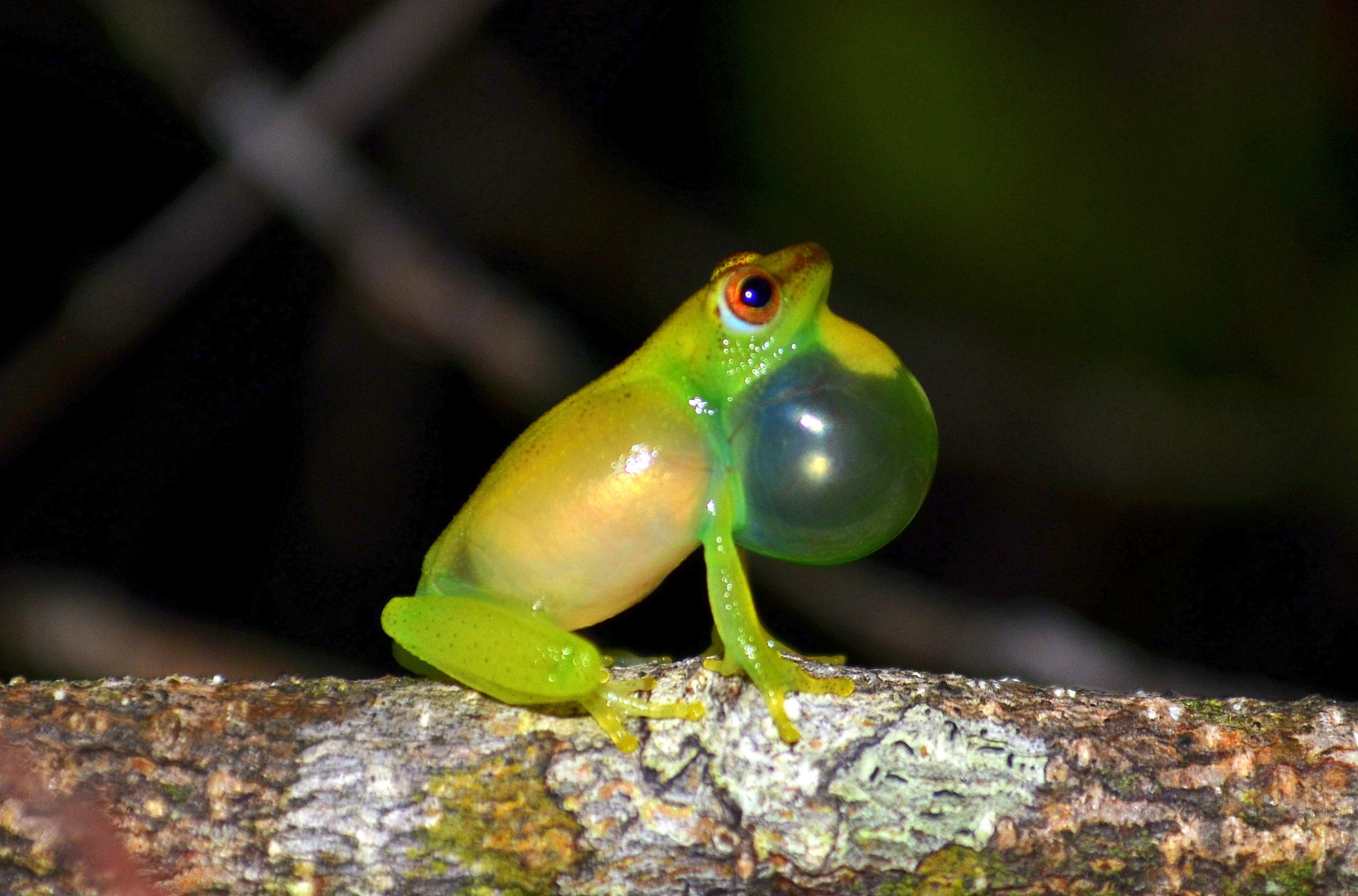
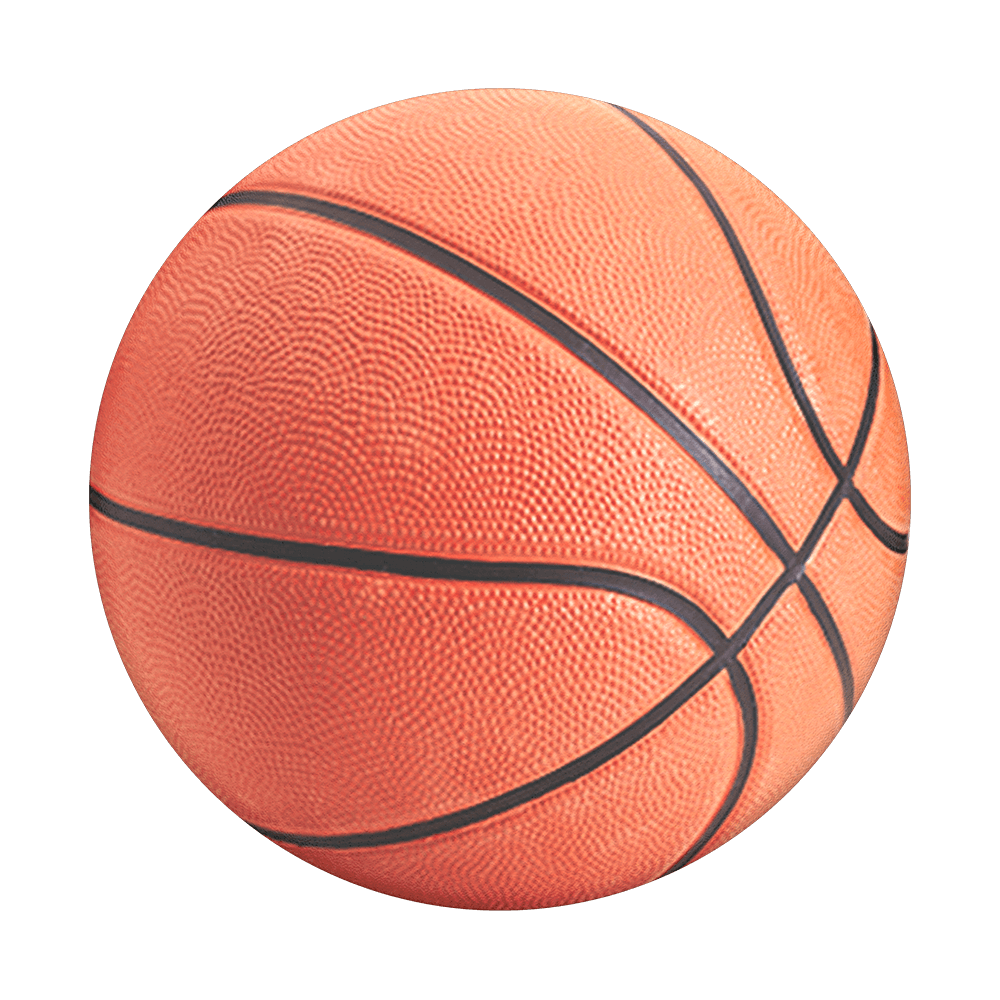
How could you describe the texture of this object?
hard
rough
soft
bumpy

This object is light. I just described the ____________ of this object.
mass
texture
size
shape
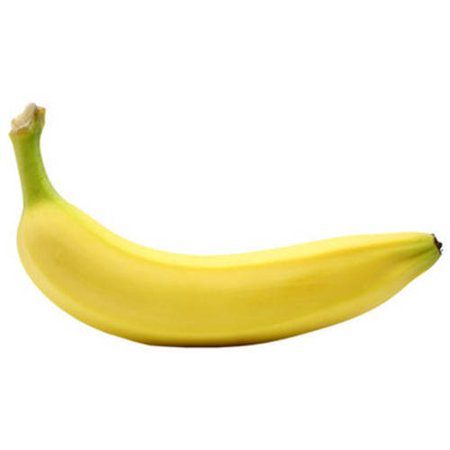
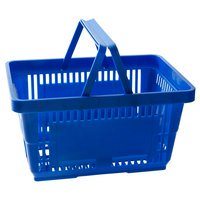
Which object would belong in a group of rectangular objects?


How would you describe the mass of this object?
heavy
light

Find an object that is the same color as this object.

The diagram above shows one container with oil and water and another with oil and a cork. Which diagram below shows what most likely would happen if oil, water, and the cork were all put in the same container?


Everyday many changes take place around us
True
False

When one or more properties of a thing become different, we say that it has (a)
Changes involve different kinds of (a) in the things around us.
When a change takes place, there may be a change in the
state,
position, shape, size,
colour, temperature,
composition structure of the material of the object.
None of the above
How can we brig about a change
Heating.
applying force or pressure
dissolving a substance into a liquid
jumping
clapping
A change has different effects on our (a) .
Changes maybe _____________ or _______________ in nature.
(a)
The decrease in the size of an object is called (a) .
The increase in the size of an object is called (a) .
Condensation occurs when water vapour....
loses heat
gains heat
Condensation involves a change of state from ___ to ___
Liquid to Solid
Liquid to Gaseous
Solid to Liquid
Gaseous to Liquid
Boiling occurs when water ...
loses heat
gains heat
Boiling involves a change of state from ___ to ___.
Solid to Liquid
Liquid to Gaseous
Gaseous to Liquid
Liquid to Solid
Evaporate involves a change of state from ___ to ___.
Solid to Liquid
Gaseous to Liquid
Liquid to Gaseous
Liquid to Solid
What factors affect the rate of evaporation?
Temperature only
Temperature and Wind only
Temperature, Wind and Exposed Surface Area
None of the above
Ice melts at what temperature?
100o
10o
5o
0o
Melting involves a change of state from ___ to ___
Gaseous to Liquid
Solid to Liquid
Liquid to Gaseous
Liquid to Solid

What is an irreversible change?
Something you can change back.
Something you cannot change back.

What is a reversible change?
Something you can change back.
Something you cannot change back.
Which of these is NOT a reversible change?


Cooking an egg is a..
Irreversible
Reversible

Melting chocolate is a....
Irreversible
Reversible

The change happening in the picture is...
Irreversible
Reversible

burning wood is ........... change
Reversible
Irreversible

When orange juice is frozen to make popsicles, can the popsicles change back to orange juice?
Yes
No
Choose the TWO reversible changes:


i like ......


cutting paper is
Reversible change
irreversible change

Reversible change
irreversible change

irreversible change
reversible change

irreversible change
reversible change

reversible change
irreversible change

Burning of candle wax is a ________change
Reversible change
Irreversible change

Burning of paper is a _______________ change
Reversible change
Irreversible change

Melting of butter is a _______________ change
Reversible change
Irreversible change

Rusting of iron is a _______________ change
Reversible change
Irreversible change

Frying an egg to make an omelette is a _______________ change
Reversible change
Irreversible change

Tearing paper to small pieces is a _______________ change
Reversible change
Irreversible change

Evaporation of water is a _______________ change
Reversible change
Irreversible change

Melting of ice cream is a _______________ change
Reversible change
Irreversible change

Boiling of rice is a _______________ change
Reversible change
Irreversible change

