
 Worksheets
6th grade Chem Unit
Total questions: 54
Worksheet time: 45mins
NaCl
Element
Compound
Mixture
H2
Element
Compound
Mixture
H2 + Mg
Element
Compound
Mixture
MgCl2
Element
Compound
Mixture
H2O
Element
Compound
Mixture
Mg
Element
Compound
Mixture

Mixture
Element
Compound

Element
Compound
Mixture

Element
Compound
MIxture of elements and compounds
Mixture of elements

Element
Compound
Mixture of elements and compounds
Mixture of elements

Compound
Mixture of elements and compounds
Mixture of elements
Mixture of compounds

Element
Compound
Mixture of elements
Mixture of compounds

Elements
Mixture of Elements
Compound
Mixture of Compounds

Which element makes up MOST of the air we breathe?
Carbon
Nitrogen
Oxygen
Argon
Which element is the second most abundant in Earth's crust?
Oxygen
Calcium
Sodium
Silicon

What is this graph representing?
Living Things
Ocean
Crust
Atmosphere

What is this graph representing?
Ocean
Living Things
Atmosphere
Crust

What graph is represented?
Living Things
Ocean
Crust
Atmosphere

What is this graph representing?
Ocean
Atmosphere
Crust
Living Things
Which change describes a substance that changes shape, form, or appearance but is still the same substance?
physical change
chemical change
What happens when a new substance is produced during a reaction?
physical change
chemical change

Melting ice
physical change
chemical change

Burning wood
physical change
chemical change

broken glass
physical change
chemical change

mixing baking soda and vinegar
physical change
chemical change
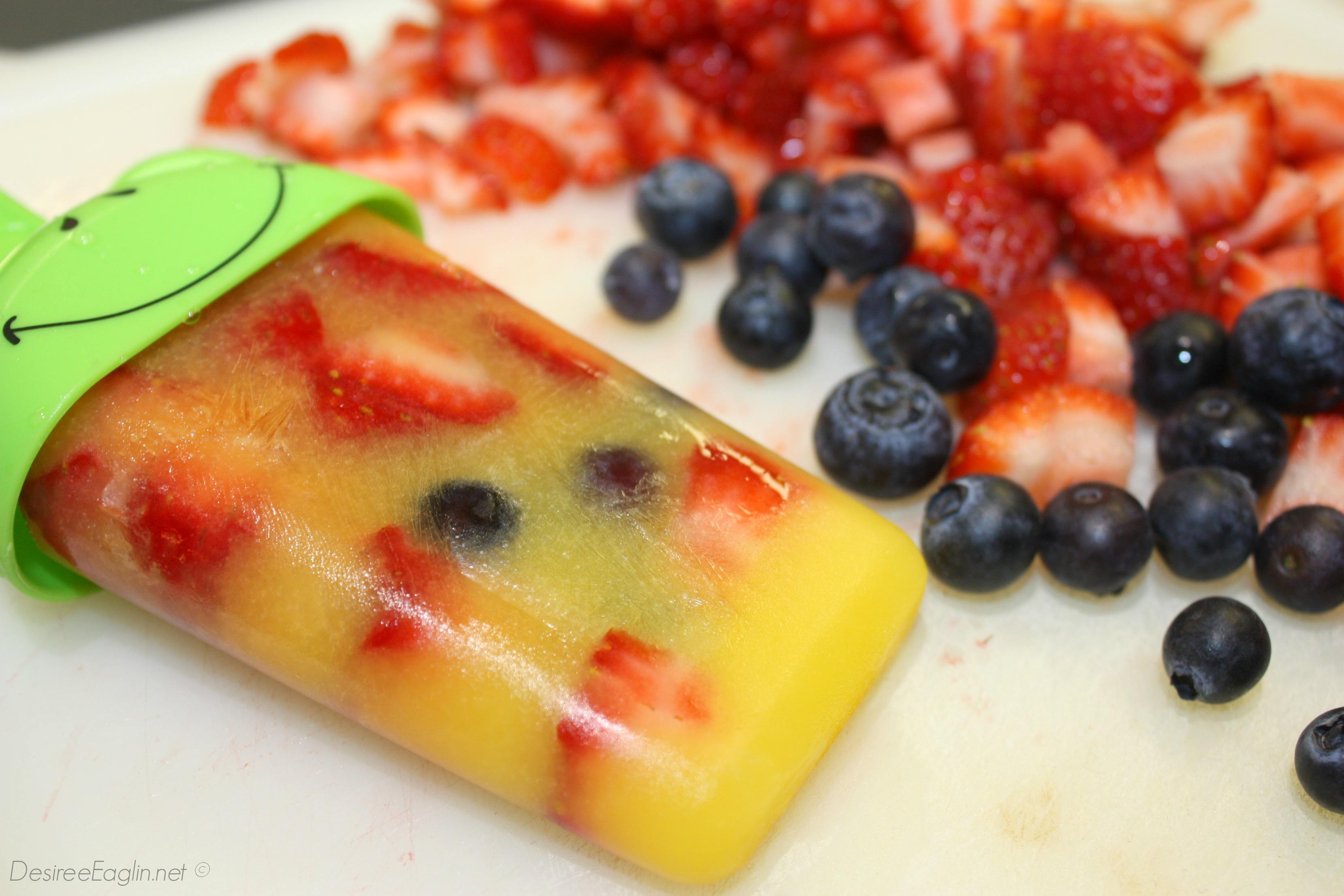
Freezing Juice?
physical Change
chemical Change

Cooking Pancakes
Physical Change
Chemical Change

Melting Ice Cream
Physical Change
Chemical Change


What is a subatomic particle with a positive charge that is in the nucleus of an atom?
neutron
proton
electron
valence electron
What is a subatomic particle without an electric charge, located in the nucleus of an atom?
neutron
proton
electron
valence electron
What is a subatomic particle with a negative charge? It is found in the electron cloud surrounding the nucleus.
neutron
proton
electron
electron cloud
What is the number of protons in the nucleus of an atom that determines the chemical properties of an atom?
mass number
atomic mass
atomic number
atomic symbol
What is the combined mass of all the protons and neutrons of an atom and is approximately equal to the number of protons and neutrons?
atomic mass
atomic number
subatomic particles
nucleus weight


Which object is less dense?
The fish because he is in the middle
The cork because it is floating at the top of the water
The rock because it is at the bottom
The cork and the rock because they have the same about of atoms.

What is the volume of object x?
10.0 cm3
20.0 cm3
20.0 cm3
25.0 cm3


Which box has a higher density?
A
B
They are the same
Calculate the density in the following question: A star has a mass of 15 g and a volume of 25 mL.
0.7 g/mL
0.6 g/mL
0.5 g/mL
0.4 g/mL



