wayground logo

Free Printable Worksheets

NEW

Font size

S
M
L
XL
Worksheets

BIOMOLECULES

Total questions: 28

Worksheet time: 20mins
Name
Class
Date
1.
Which biomolecule is made of nucleotides and contain you DNA?
a)
Carbohydrate
b)
Lipids
c)
Protein
d)
Nucleic Acid
2.
Which biomolecule has sugars and starches?
a)
Lipids
b)
Proteins
c)
Carbohydrates
d)
Nucleic Acid
3.
Which biomolecule functions include enzymes­ which speeds the rate of chemical reactions, structural components in cells, mechanical functions in muscles and cytoskeleton, cell signaling, and immune response; provides structure and helps with chemical reactions 
a)
Protein
b)
Lipids
c)
Carbohydrate
d)
Nucleic Acid
4.
Which biomolecule is important source of energy for humans; glucose for human cells, tissues, and organs; provides fiber, sugar, and starches; provides structural support, cell wall, and cell membrane maker?
a)
Nucleic Acid
b)
Lipid
c)
Carbohydrate
d)
Protein
5.
Which biomolecule includes fats, such as triglycerides, oils, waxes, and steroids (cholesterol); insoluble in water; provides energy storage, insulation, part of cell membrane, and hormones 
a)
Nucleic Acid
b)
Lipids
c)
Carbohydrate
d)
Protein
6.
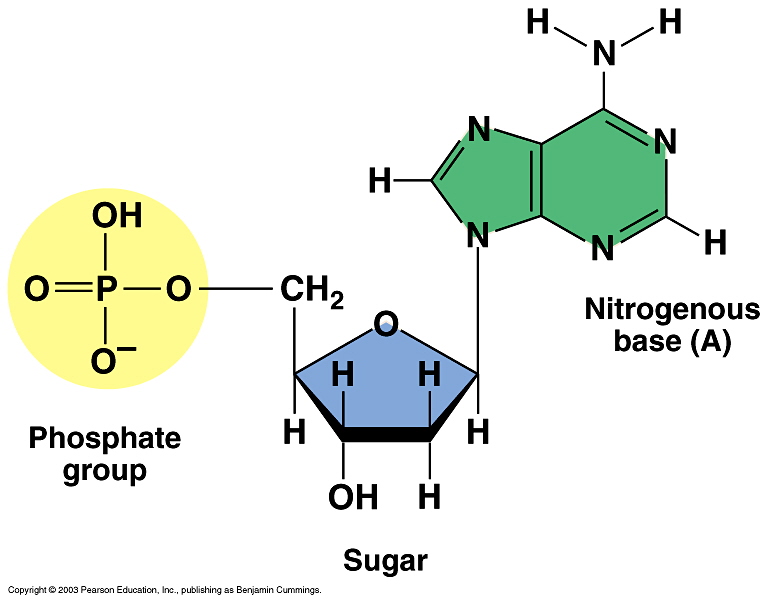
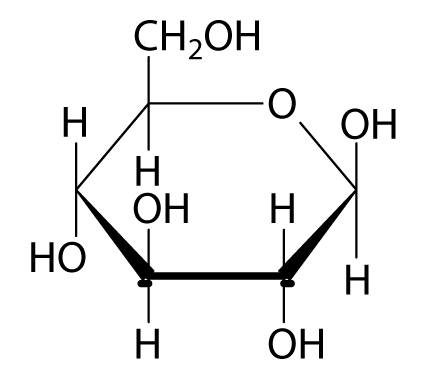
Identify the biomolecule
a)
Carbohydrate
b)
Lipid
c)
Protein
d)
Nucleic Acid
7.
Identify the biomolecule
a)
Lipid
b)
Protein
c)
Carbohydrate
d)
Nucleic Acid
8.

What is a biomolecule?

a)

The dissolved particle in a solution

b)

One of the by-products of respiration

c)

Large molecule that is present in living organisms

d)

None of the above

9.

Which of the following are biomolecules?

a)

RNA, DNA, proteins, lipids

b)

Proteins, lipids, carbohydrates, polymers

c)

Nucleic acid, lipids, carbohydrates, monomers

d)

Proteins, lipids, carbohydrates, nucleic acids

10.

The function of the nucleic acid is --

a)

to store and transmit genetic information inherited from your parents

b)

to maintain our body temperature

c)

to build up muscles bones and other body parts

d)

to regulate sugar in your blood and give your cells energy

11.

Which of the following is a characteristic of carbohydrates?

a)

Provides structure for cells

b)

Provides energy for all cellular activities

c)

Contain complex carbohydrates known as starches

d)

All of the above

12.

Which of the following is a characteristic of carbohydrates?

a)

Provides structure for cells

b)

Provides energy for all cellular activities

c)

Contain complex carbohydrates known as starches

d)

All of the above

13.

Which of the following is a characteristic of protein?

a)

Made up of amino acids and regulate cellular processes

b)

Fats, oils, and waxes

c)

Complex carbohydrates known as starches

d)

DNA and RNA

14.

Which biomolecule is helpful for long term energy storage?

a)

Nucleic acid

b)

Protein

c)

Carbohydrate

d)

Lipid

15.

Which two biomolecules are made up only of carbon, hydrogen, and oxygen?

a)

Protein and Nucleic Acid

b)

Protein and Lipid

c)

Carbohydrate and Lipid

d)

Carbohydrate and Nucleic Acid

16.

Carbon, hydrogen, oxygen, nitrogen, and phosphorous make up which biomolecule?

a)

Protein

b)

Carbohydrates

c)

Lipids

d)

Nucleic acid

17.

What is a function of carbohydrates?

a)

To provide energy to living organisms

b)

The provide the structure in muscles

c)

Providing insulation

d)

Storing your genetic information

18.

What is the best definition of the function of nucleic acids?

a)

They contain defense mechanisms against bacteria

b)

They contain the information that makes you and makes you different from every other living thing

c)

They are used as the structural components of the body (muscles and organs)

d)

They create the cell membrane

19.

What is a function of lipids?

a)

To provide short term energy to living organisms

b)

The provide the structure in muscles

c)

To provide long term storage of energy

d)

Storing your genetic information

20.

What is the function of proteins?

a)

They are used for cell to cell communication

b)

They insulate the body, are used for short term energy and are found in glycogen

c)

They are used as the structural components of the body (muscles and organs)

d)

They create the cell membrane

21.
What are the four biological molecules?
a)
proteins, carbohydrates, lipids, nucleic acids
b)
A, T, C, G
c)
water, air, earth, and fire
d)
Joe, Nick, and Kevin Jonas
22.
Which biomolecule is also known as enzymes?
a)
Carbohydrate
b)
Lipid
c)
Nucleic Acid
d)
Protein
23.
Which 2 molecules contains the elements C-H-O and function pertains to energy?
a)
Lipids and Protein
b)
Carbohydrates and Nucleic Acids
c)
Protein and Carbohydrates
d)
Carbohydrates and Lipids
24.
Which foods are high in protein?
a)
Meats, cheeses, milk, eggs
b)
Breads, pasta, grains
c)
Butter, oil, lard
d)
Apples, Bananas, Grapes
25.
Which foods are a good energy source?
a)
Meats, Yogurt, Cheese
b)
Ice Cream, Candy, Cookies
c)
Fruits, Vegetables, Whole Grains
d)
Butter, Lard, Oil
26.
The chemical reaction that breaks down a molecule by adding water is
a)
Dehydration Synthesis
b)
Hydrophobia
c)
Hydrolysis
d)
Dehydration
27.
What is the function of a nucleic acid?
a)
Stores genetic information
b)
Stores energy
c)
Quick source of energy
d)
Builds structures
28.
Which examples are a sources of energy?
a)
Starch, cellulose, glycogen
b)
Valine, Histidine, Cysteine
c)
DNA, RNA
d)
Unsaturated and Saturated Fats