
NEW
Font size
 Worksheets
Organic Chemistry Recap Quiz
Total questions: 23
Worksheet time: 11mins

Name this chemical
Methane
Ethane
Propane
Butane
Which of the following shows the structure of ethene?


C3H8

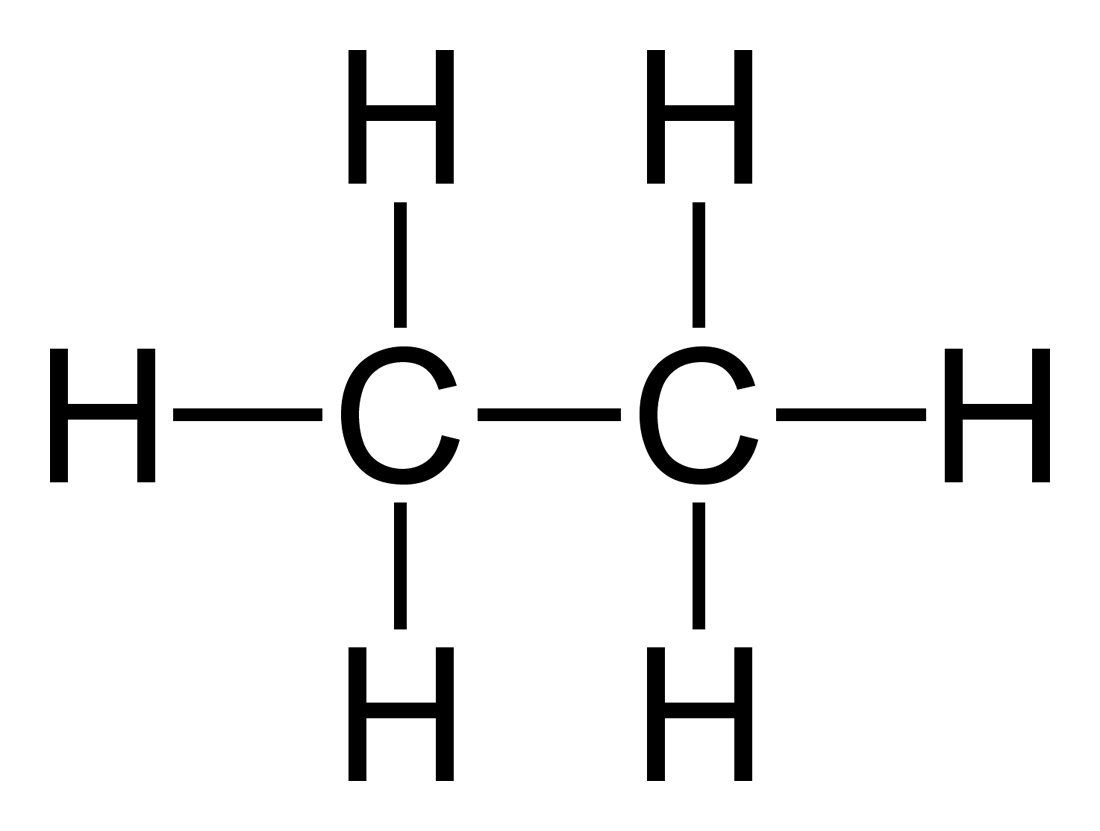
what kind of molecule is this?
alkane
alkene
alcohol
carboxylic acid

What is fractional distillation?
a process used to separate crude oil
a process used to burn up fuels
a way to make different products
how oil is extracted from the ground
Fractional distillation separates crude oil based on the different __________ of the molecules in the mixture
melting point
boiling point
freezing point
chemical reactivity
Crude oil is made up of:
Ethane
Butane
A mixture of different hydrocarbons
Extremely large hydrocarbons which are broken up once extracted
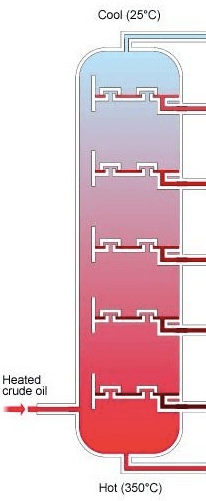
What process happens at each level in the fractionating column?
Evaporation
Condensation
Combustion

Where do short chain hydrocarbons collect?
At the top
In the middle
At the bottom

Where do long chain hydrocarbons collect?
At the top
In the middle
At the bottom
Shorter hydrocarbons have:
Higher boiling points
Lower boiling points
In fractional distillation, lots of chemicals are separated - one of them is bitumen. What is it used for?
Fuel for smaller vehicles (E.g. cars)
Fuel for larger vehicles (E.g Lorries)
Gas fuel (E.g. Stoves, Bunsen Burners, etc)
Making roads and footpaths
In fractional distillation, lots of chemicals are separated - one of them is Diesel. What is it used for?
Fuel for smaller vehicles (E.g. cars)
Fuel for larger vehicles (E.g Lorries)
Gas fuel (E.g. Stoves, Bunsen Burners, etc)
Making roads and footpaths
In fractional distillation, lots of chemicals are separated - one of them is Petrol. What is it used for?
Fuel for smaller vehicles (E.g. cars)
Fuel for larger vehicles (E.g Lorries)
Gas fuel (E.g. Stoves, Bunsen Burners, etc)
Making roads and footpaths
In fractional distillation, lots of chemicals are separated - the smallest ones are called refinery gases. What are they used for?
Fuel for smaller vehicles (E.g. cars)
Fuel for larger vehicles (E.g Lorries)
Gas fuel (E.g. Stoves, Bunsen Burners, etc)
Making roads and footpaths
What will happen when bromine is added to ethene? (as long as the ethene is present in excess)
reddish brown colour of bromine decolourised
reddish brown colour of bromine remain unchanged
Metal carbonates can react with carboxylic acids to form....
Salt, carboxylic acid and water
Salt, carbon dioxide and water
Salt and carbonated water
Salt and hydrogen
Which organic chemical can be used to create poly(ethene)?
Ethane
Ethene
Ethanol
Ethanoic Acid
Which organic chemical can be used to in the manufacture of vinegar?
Ethane
Ethene
Ethanol
Ethanoic Acid
Which organic chemical can be used in alcoholic beverages?
Ethane
Ethene
Ethanol
Ethanoic Acid

