Worksheets
STRUCTURAL ORGANISATION
Total questions: 35
Worksheet time: 35mins
Which type of tissue correctly matches with its location?
Areolar tissue - Tendons
Transitional epithelium - Tip of nose
Cudoidal epithelium - Lining of stomach
Smooth muscle - Wall of intestine
The function of the gap junction is to
performing cementing to keep neighbouring cells together
facilitate communitation between adjoining cells by connecting the cytoplam for rapid transfer of ions, small molecules and some large
separate two cells from each other
stop substance from leaking across a tissue
Choose the correctly matched pair.
Tendon- Specialised connective tissue
Adipose tissue- Dense connective tissue
Areolar tissue- Loose connective tissue
Cartilage - Loose connective tissue
This name means that there are multiple layers of cells
Simple
Stratified
Columnar
Pseudostratified
These cells are small and flat
Cuboidal
Columnar
Squamous
Pseudostratified
Which of the following is NOT a function of epithelial tissues?
covering exposed surfaces
lining internal passageways
producing glandular secretions
contracting to produce movement

Name the tissue
Pseudostratified
Simple columnar
Transitional
Stratified Squamous
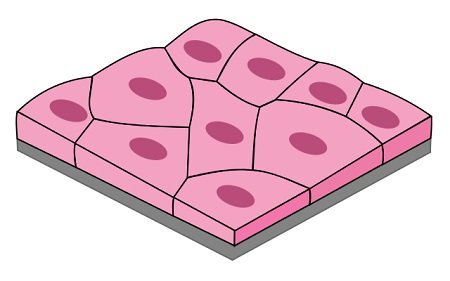
Name the type of epithelium
simple cuboidal
simple squamous
simple columnar
stratified squamous
Which tissue assists in support and protection of organs and limbs?
epithelial
connective
muscle
nerve

Which connective tissue is shown on the picture?
Ligament
Tendon
Bone tissue
Cartilage
Which of the following connective tissues supports the soft tissues and reduces friction at joints?
Cartilage
Muscle tissue
Bone tissue
Fibrous connective tissue
A form of connective tissue in which the cells are specialized for the synthesis and storage of energy-rich reserves of fat, or lipid.
Hyaline cartilage
Adipose tissue
Connective tissue
Areolar tissue
This connects bones at a joint.
Tendon
Ligament
Facia
Cartilage
What epithelial tissues are found along tissues that function to allow the exchange of gases?
Simple squamous
Simple cuboidal
Simple columnar
Stratified squamous
In what part of your body you can mostly find the stratified squamous tissues?
Intestines
Kidneys
Lungs
Skin
Epithelial tissue regenerate really quickly
True
False
What type of muscle is/are voluntary?
smooth and cardiac
smooth
skeletal and smooth
skeletal
What type of muscle(s) is involuntary?
skeletal and smooth
cardiac and skeletal
smooth and cardiac
skeletal
Which muscle type can contract rapidly with great force, BUT tires easily and must rest after short periods of activity.
skeletal
smooth
cardiac


The part of the neuron that insulates the axon and increases the speed of the neural message within the neuron.
Cell Body
Dendrite
Myelin Sheath
Axon Terminal
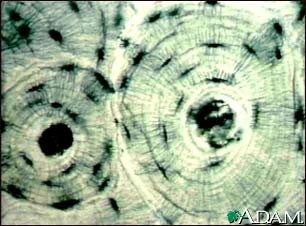
smooth muscle
bone
nerve
blood