
 Worksheets
Chapter One Review
Total questions: 55
Worksheet time: 30mins
Anatomy is the study of
The function of the body
The structure of the body
Physiology is the study of the
Function of the body
Structure of the body
Choose the correct order of organization
Cell, atom, tissue, organ system, organ, organism
atom, cell, tissue, organ, organism, organ system
atom, cell, tissue, organ, organ system, organism
Organism, organ system, organ, tissue, cell, atom
Ventral
Towards the front
Towards the back
Towards the exterior of the body
Towards the interior of the body
Dorsal
Towards the front
Towards the back
Towards the exterior of the body
Towards the interior of the body
Superficial
Towards the front
Towards the back
Towards the exterior of the body
Towards the interior of the body
Deep
Towards the front
Towards the back
Towards the exterior of the body
Towards the interior of the body
Inferior
Further away from the head
Closer to the head
Farthest from point of attachment
Nearest to point of attachment
Superior
Further away from the head
Closer to the head
Farthest from point of attachment
Nearest to point of attachment
Distal
Further away from the head
Closer to the head
Farthest from point of attachment
Nearest to point of attachment
Proximal
Further away from the head
Closer to the head
Farthest from point of attachment
Nearest to point of attachment
Medial
Towards the middle of the body
Away from the middle of the body
Lateral
Towards the middle of the body
Away from the middle of the body
The three body planes are
Saggital
Transverse
Frontal
Transcoronal
T/F: Serious membranes line body cavities and organs
False
True
Functions of the integumentary system
Acts as a barrier to protect the body from the outside world. Functions to retain body fluids, protect against disease, eliminate waste products, and regulate body temperature.
Provides movement, Provides protection and support for other tissues, Generates heat that maintains body temperature
Distributes blood cells, water, and dissolved materials; Distributes heat and assists in control of body temp
Delivers air to alveoli, Provides oxygen to bloodstream, removes CO2, Produces sound for communication
Functions of the Muscular system
Acts as a barrier to protect the body from the outside world. Functions to retain body fluids, protect against disease, eliminate waste products, and regulate body temperature.
Provides movement, Provides protection and support for other tissues, Generates heat that maintains body temperature
Distributes blood cells, water, and dissolved materials; Distributes heat and assists in control of body temp
Delivers air to alveoli, Provides oxygen to bloodstream, removes CO2, Produces sound for communication
Functions of the Cardiovascular system
Acts as a barrier to protect the body from the outside world. Functions to retain body fluids, protect against disease, eliminate waste products, and regulate body temperature.
Provides movement, Provides protection and support for other tissues, Generates heat that maintains body temperature
Distributes blood cells, water, and dissolved materials; Distributes heat and assists in control of body temp
Delivers air to alveoli, Provides oxygen to bloodstream, removes CO2, Produces sound for communication
Functions of the Nervous system
Directs immediate responses to stimuli, Coordinates or moderates activities of other organ systems, Provides and interprets sensory information about external conditions
Provides movement, Provides protection and support for other tissues, Generates heat that maintains body temperature
Distributes blood cells, water, and dissolved materials; Distributes heat and assists in control of body temp
Delivers air to alveoli, Provides oxygen to bloodstream, removes CO2, Produces sound for communication
Functions of the Respiratory system
Directs immediate responses to stimuli, Coordinates or moderates activities of other organ systems, Provides and interprets sensory information about external conditions
Provides movement, Provides protection and support for other tissues, Generates heat that maintains body temperature
Distributes blood cells, water, and dissolved materials; Distributes heat and assists in control of body temp
Delivers air to alveoli, Provides oxygen to bloodstream, removes CO2, Produces sound for communication
Major organs of the cardiovascular system
Heart, Blood, Blood vessels
Ovaries, uterine tubes, uterus, vagina, labia, clitoris, mammary glands
Skin, Hair, Sweat glands, Nails
Testes, epididymides, ductus deferens, seminal vesicles, prostate gland, penis, scrotum
Major organs of the Female Reproductive system
Heart, Blood, Blood vessels
Ovaries, uterine tubes, uterus, vagina, labia, clitoris, mammary glands
Skin, Hair, Sweat glands, Nails
Testes, epididymides, ductus deferens, seminal vesicles, prostate gland, penis, scrotum
Major organs of the Integumentary system
Heart, Blood, Blood vessels
Ovaries, uterine tubes, uterus, vagina, labia, clitoris, mammary glands
Skin, Hair, Sweat glands, Nails
Testes, epididymides, ductus deferens, seminal vesicles, prostate gland, penis, scrotum
Major organs of the Male Reproductive system
Heart, Blood, Blood vessels
Ovaries, uterine tubes, uterus, vagina, labia, clitoris, mammary glands
Skin, Hair, Sweat glands, Nails
Testes, epididymides, ductus deferens, seminal vesicles, prostate gland, penis, scrotum
Major organs of the muscular system
Skeletal muscles and associated tendons
Brain, Spinal cord, Peripheral nerves, Sense organs
Nasal cavities, Sinuses, Larynx, Trachea, Bronchi, Lungs, Alveoli
Skin, Hair, Sweat glands, Nails
Major organs of the Nervous system
Skeletal muscles and associated tendons
Brain, Spinal cord, Peripheral nerves, Sense organs
Nasal cavities, Sinuses, Larynx, Trachea, Bronchi, Lungs, Alveoli
Skin, Hair, Sweat glands, Nails
Major organs of the Respiratory system
Skeletal muscles and associated tendons
Brain, Spinal cord, Peripheral nerves, Sense organs
Nasal cavities, Sinuses, Larynx, Trachea, Bronchi, Lungs, Alveoli
Skin, Hair, Sweat glands, Nails
Thoracic cavity
Cavity in the chest, contains pleural cavities and mediastinum
Contains the heart
Contains the lungs
Contains the esophagus, trachea, blood vessels, and the thymus
Pericardial cavity
Cavity in the chest, contains pleural cavities and mediastinum
Contains the heart
Contains the lungs
Contains the esophagus, trachea, blood vessels, and the thymus
Pleural cavity
Cavity in the chest, contains pleural cavities and mediastinum
Contains the heart
Contains the lungs
Contains the esophagus, trachea, blood vessels, and the thymus
Mediastinum
Cavity in the chest, contains pleural cavities and mediastinum
Contains the heart
Contains the lungs
Contains the esophagus, trachea, blood vessels, and the thymus
Retroperitoneal space
Contains pancreas, kidneys, ureters, and ending of digestive tract
Contains reproductive organs, rectum, and bladder
Contains stomach, liver, intestines and other organs.
Pelvic cavity
Contains pancreas, kidneys, ureters, and ending of digestive tract
Contains reproductive organs, rectum, and bladder
Contains stomach, liver, intestines and other organs.
Abdominal cavity
Contains pancreas, kidneys, ureters, and ending of digestive tract
Contains reproductive organs, rectum, and bladder
Contains stomach, liver, intestines and other organs.
Positive feedback brings the body....
Away from homeostasis
Closer to homeostasis
Define Homeostasis

What body system is shown in the picture?
Muscular System
Skeletal System
Nervous System
Respiratory System

What body system is shown in the picture?
Nervous System
Skeletal System
Respiratory System
Digestive System

What system is shown in the picture?
Circulatory System
Muscular System
Nervous System
Digestive System
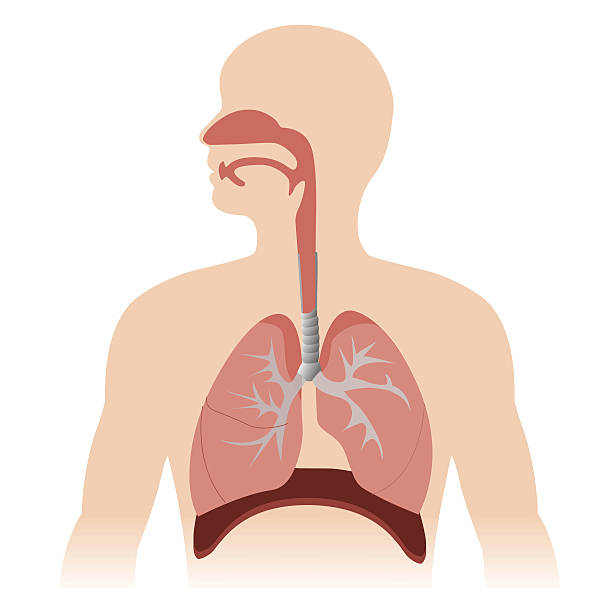
What system is shown in the picture?
Nervous System
Respiratory System
Muscular System
Circulatory System

What system is shown in the picture?
Nervous System
Circulatory System
Muscular System
Skeletal System

What system is shown in the picture?
Skeletal System
Respiratory System
Muscular System
Circulatory System
What are Voluntary Muscles?
Muscles you can control
Muscles that are found in the heart
Muscles that you CANNOT control
Muscles that you build
Where does oxygen enter your body?
Mouth and eyes
Eyes and ears
Mouth and nose
Only nose
What are the three main parts of the circulatory system?
Blood, Heart, and Lungs
Blood, Blood Vessels, and Heart
Smooth muscles, Lungs, and Bones
Blood Vessels, Muscles, and Air Sacs
Where does the process of digestion begin?
Mouth
Lungs
Stomach
Large Intestines
What are the sense organs of the central nervous system?
Eyes, Ears, Nose, and Tongue
Tongue and Teeth
Eyes and Ears
Skin
What is the main purpose of our immune system?
To help us move
To help us breathe
To help protect us from bacteria and viruses
To help our hair grow
What is one thing that the skeletal system does?
Helps us breathe
Protects our organs
Pumps blood to the rest of our body
Helps us see
What system moves blood and oxygen throughout the entire body?
Skeletal system
Digestive System
Nervous System
Circulatory System
What system allows oxygen to enter and carbon dioxide to leave the body?
Circulatory System
Respiratory System
Muscular System
Digestive System
What system breaks down doos and uses nutrients in the body?
Digestive System
Nervous System
Circulatory System
Skeletal System
What system allows the body to move?
Respiratory System
Digestive System
Muscular System
Nervous System
What system sends and receives messages between the brain and the body?
Nervous System
Circulatory System
Muscular System
Skeletal System
What system provides framework and structure for the body?
Digestive Sysem
Skeletal System
Nervous System
Respiratory System

