wayground logo

Free Printable Worksheets

Font size

S
M
L
XL
Worksheets

Biomolecule Study Quizizz

Total questions: 27

Worksheet time: 14mins
Name
Class
Date
1.
Which biomolecule is made of nucleotides and contain you DNA?
a)
Carbohydrate
b)
Lipids
c)
Protein
d)
Nucleic Acid
2.
Which biomolecule has sugars and starches?
a)
Lipids
b)
Proteins
c)
Carbohydrates
d)
Nucleic Acid
3.
Which biomolecule functions include enzymes­ which speeds the rate of chemical reactions, structural components in cells, mechanical functions in muscles and cytoskeleton, cell signaling, and immune response; provides structure and helps with chemical reactions 
a)
Protein
b)
Lipids
c)
Carbohydrate
d)
Nucleic Acid
4.
Which biomolecule includes fats, such as triglycerides, oils, waxes, and steroids (cholesterol); insoluble in water; provides energy storage, insulation, part of cell membrane, and hormones 
a)
Nucleic Acid
b)
Lipids
c)
Carbohydrate
d)
Protein
5.
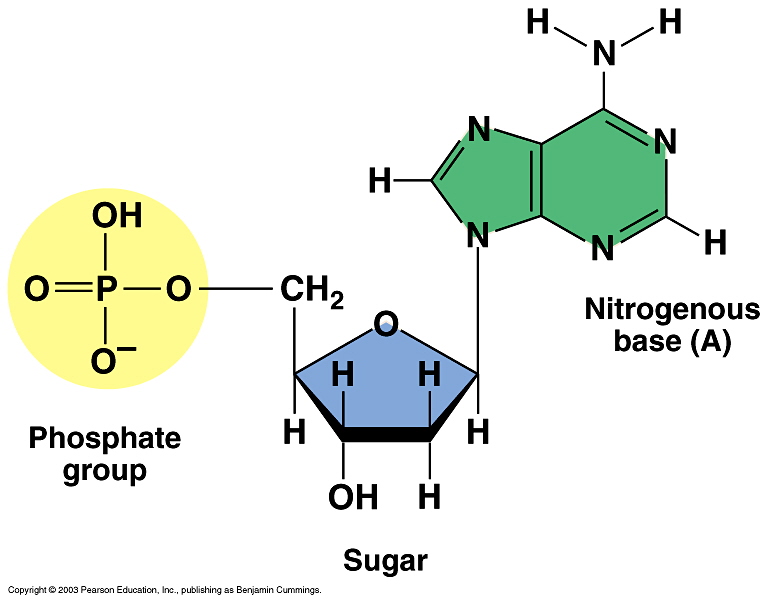
Identify the biomolecule
a)
Carbohydrate
b)
Lipid
c)
Protein
d)
Nucleic Acid
6.
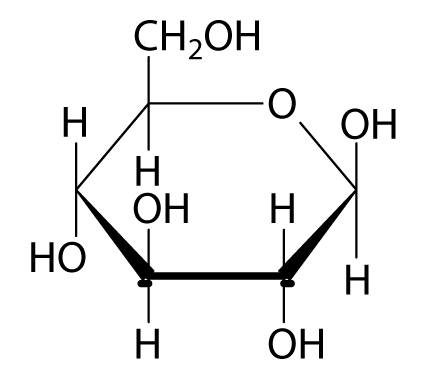
Identify the biomolecule
a)
Lipid
b)
Protein
c)
Carbohydrate
d)
Nucleic Acid
7.
What is the monomer for a protein?
a)
Monosaccharide
b)
Triglyceride
c)
Amino Acid
d)
Nucleotide
8.
Lipids are made up of which of the following?
a)
glycerol and fatty acids tails
b)
glycerol and monolipids
c)
fatty acids and phosolipids
d)
amino acids and nucleotides
9.
What is the monomer of nucleic acids?
a)
Glycerol
b)
Monosaccharides
c)
Amino Acids
d)
Nucleotides
10.

What is a function of carbohydrates?

a)

To provide energy to living organisms

b)

The provide the structure in muscles

c)

Providing insulation

d)

Storing your genetic information

11.

What does organic mean (in science)?

a)

It costs more at the grocery store

b)

It contains carbon

c)

It is made of many individual parts

d)

It produces energy

12.

What biomolecules are NOT used for energy (two answers, choose both before continuing)?

a)

Carbohydrates

b)

Lipids

c)

Proteins

d)

Nucleic acids

13.

What is a function of lipids?

a)

To provide short term energy to living organisms

b)

The provide the structure in muscles

c)

To provide long term storage of energy

d)

Storing your genetic information

14.

What is the function of proteins?

a)

They are used for cell to cell communication

b)

They insulate the body, are used for short term energy and are found in glycogen

c)

They are used as the structural components of the body (muscles and organs)

d)

They create the cell membrane

15.
Which biomolecule is made of amino acids?
a)
Nucleic Acid
b)
Carbohydrate
c)
Protein
d)
Lipid
16.

Building blocks of polymers.

a)

monomer

b)

polypeptide

c)

monosaccharide

d)

glycerol

17.
What is the function of nucleic acids?
a)
Stores energy
b)
Stores genetic information
c)
Movement
d)
Physical structure
18.
The monomer of a carbohydrate is called...
a)
a monosaccharide
b)
a fatty acid
c)
an amino acid
d)
a nucleotide
19.
Monomers combine to form ________ through the process of ________.
a)
polymers; hydrolysis
b)
polymers; dehydration synthesis
c)
monomers; hydrolysis
d)
monomers; dehydration synthesis
20.

What elements can be found in nucleic acids?

a)

CHON

b)

CHO

c)

CHONP

d)

CHOP

21.

A water molecule splits a polymer to form ________ through the process of ________.

a)

polymers; hydrolysis

b)

polymers; dehydration synthesis

c)

monomers; hydrolysis

d)

monomers; dehydration synthesis

22.

Which two biomolecules contain only CHO?

a)

Carbohydrates and proteins

b)

Lipids and proteins

c)

Nucleic acids and proteins

d)

Carbohydrates and lipids

23.

Polymer of protein is called

a)

Polypeptide chain

b)

Amino acid

c)

Nucleotide

d)

Triglyceride

24.

Another name for sugar

a)

monomer

b)

saccharide

c)

salt

d)

polysugar

25.

Typical structure of carbohydrates?

a)

Rings and a 1:2:1 ratio

b)

String with beads and a 1:2:1 ratio

c)

Rings and a 2:1:2 ratio

d)

String with beads and a 2:1:2 ratio

26.

Has the information for making a sequence of amino acids?

a)

Carbohydrates

b)

Lipids

c)

Proteins

d)

Nucleic Acids

27.

Makes up the cell wall of plants?

a)

Carbohydrates

b)

Lipids

c)

Proteins

d)

Nucleic Acids