wayground logo

Free Printable Worksheets

NEW

Font size

S
M
L
XL
Worksheets

biology

Total questions: 29

Worksheet time: 25mins
Name
Class
Date
1.
Movement of anything from an area of high concentration to low concentration.
a)
Diffusion
b)
Hypotonic
c)
Isotonic
d)
Passive Transport
2.
A solution that contains more dissolved substances than the cell it surrounds.  Water leaves the cell. Cell shrinks.
a)
Exocytosis
b)
Osmosis
c)
Hypertonic
d)
Passive transport
3.

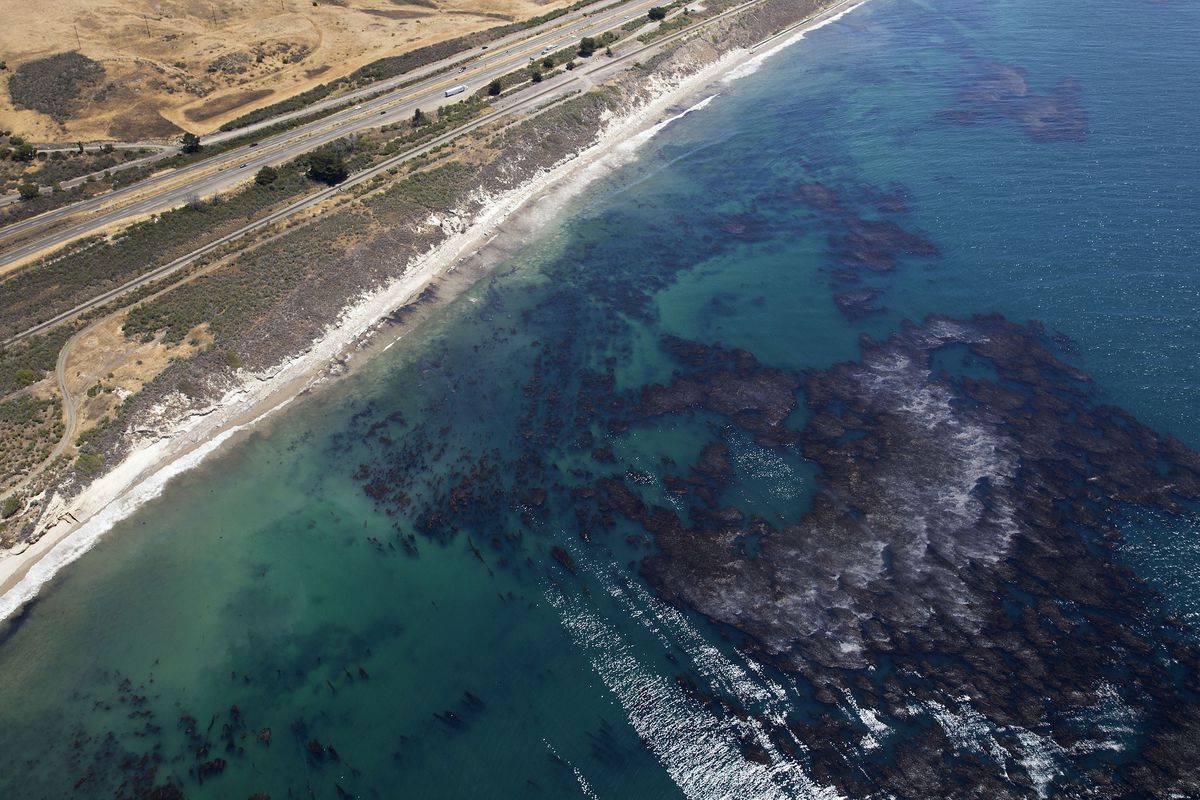
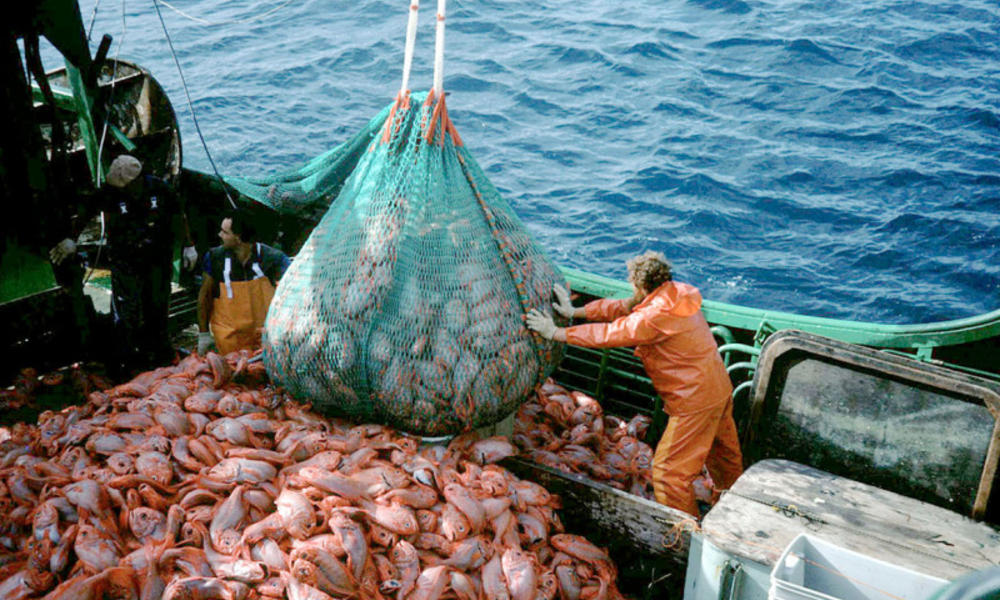
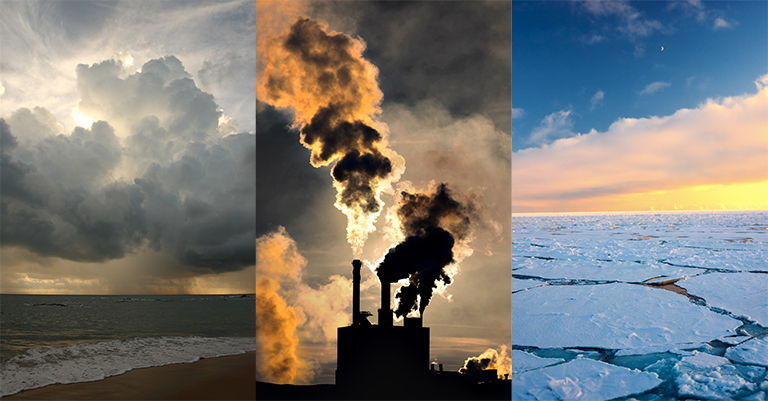
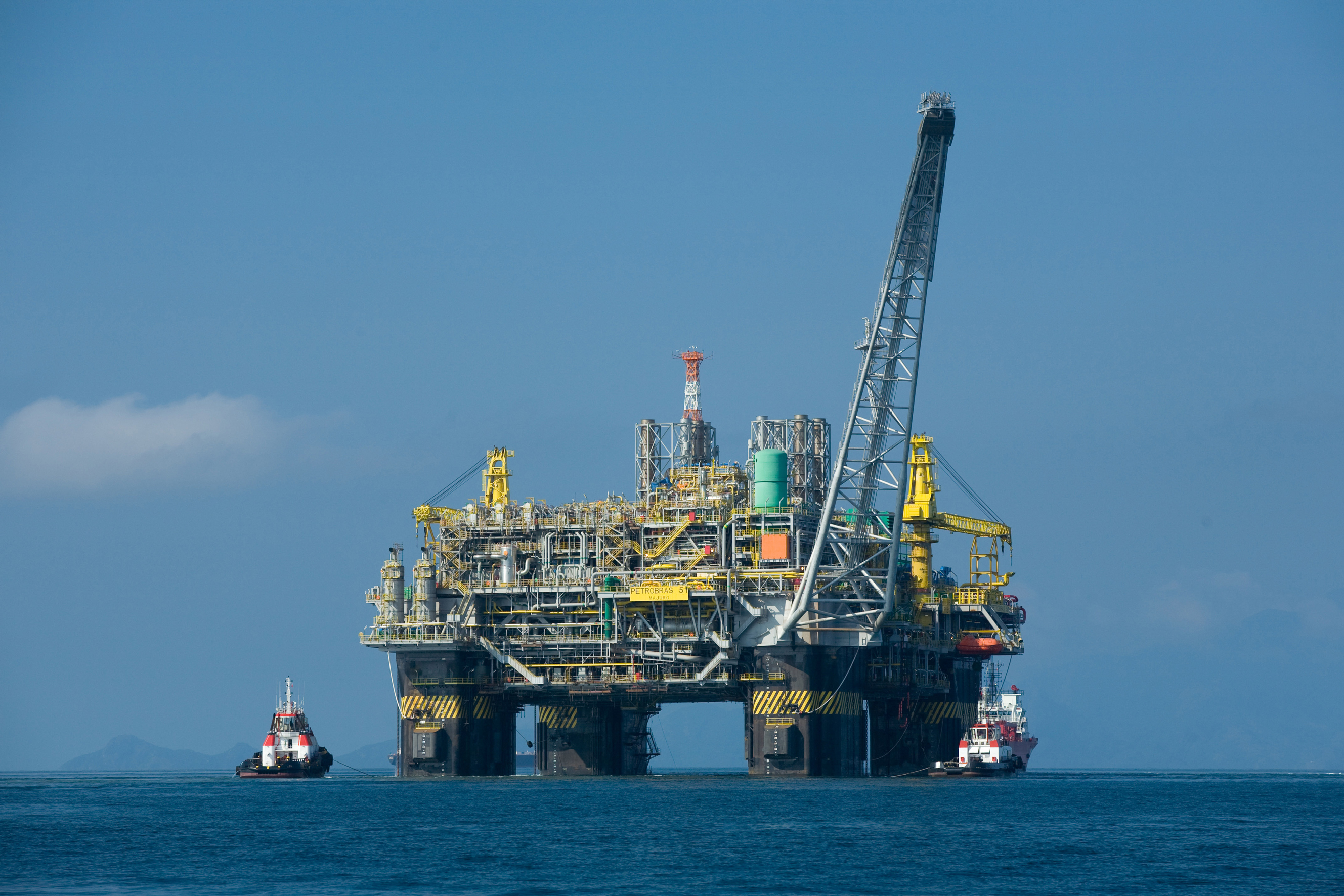
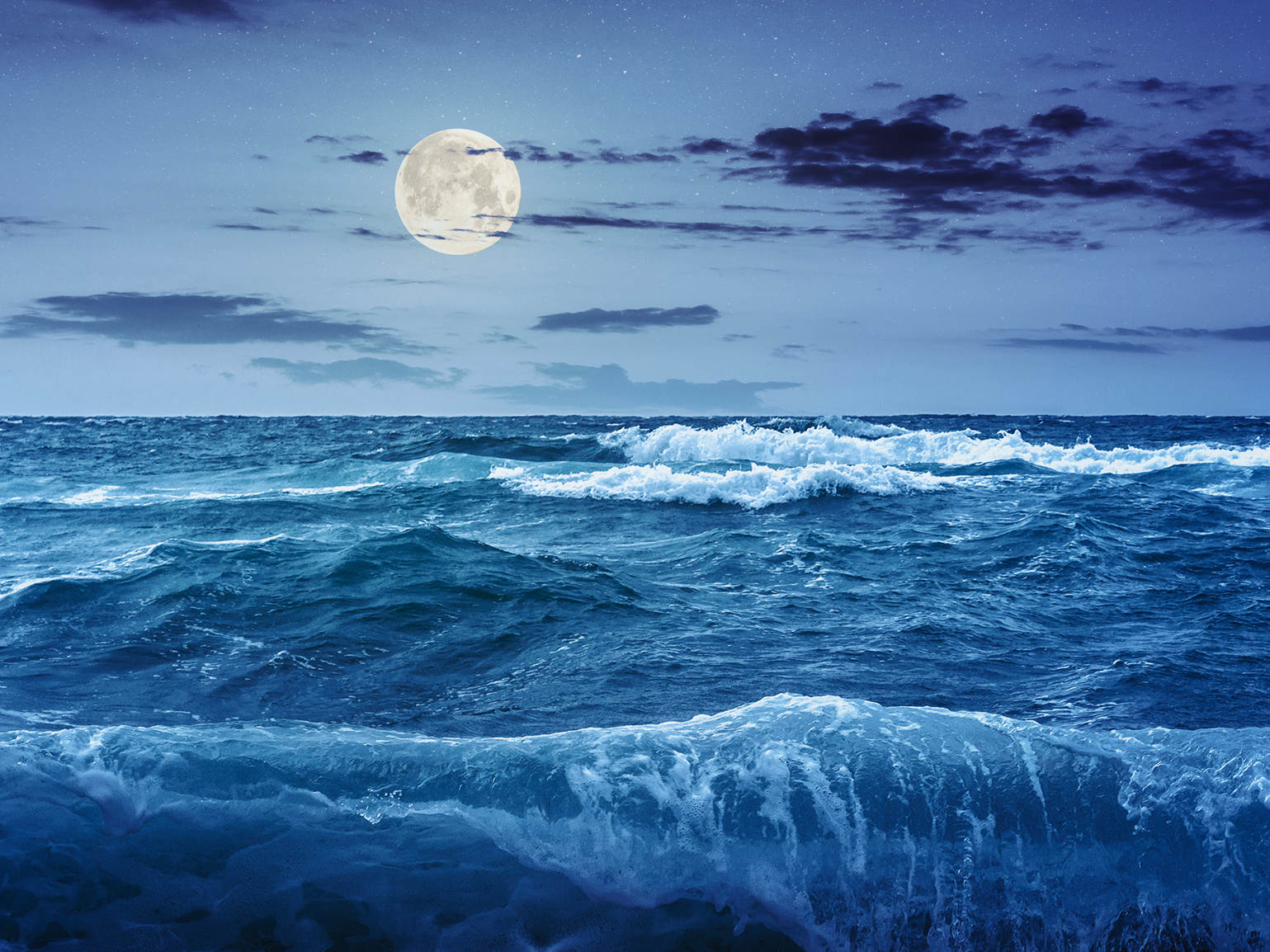
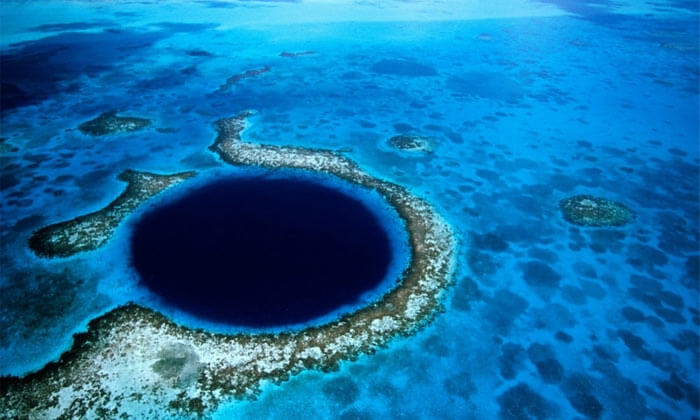
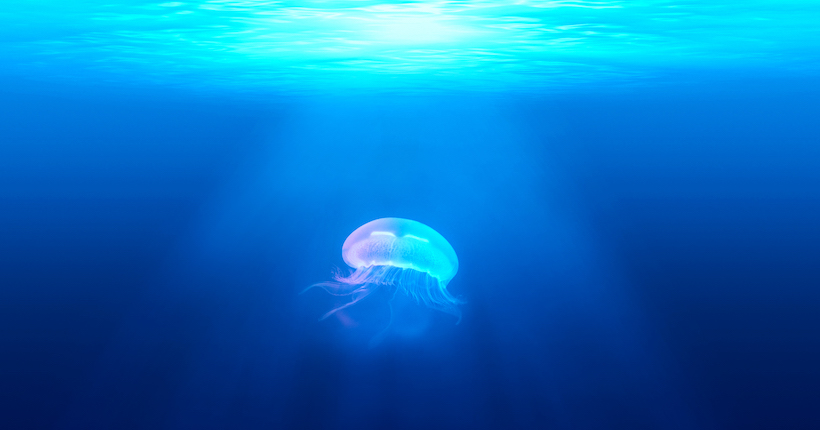
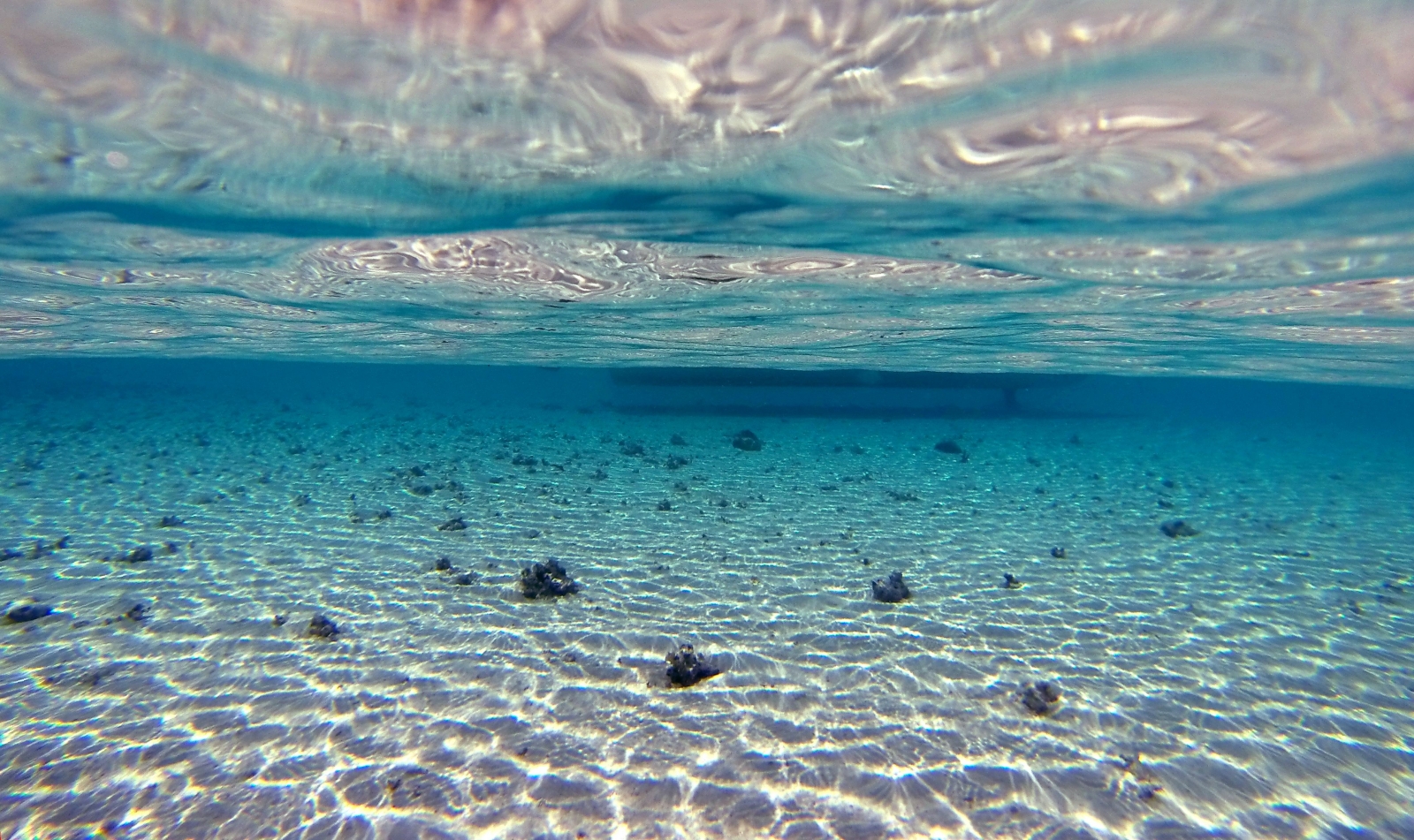
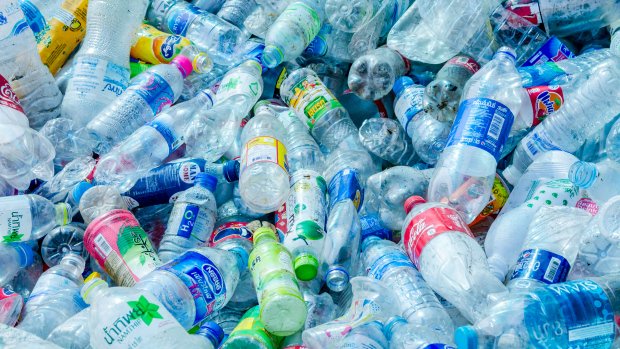
What are the most damaging things to the ocean?
a)
b)
c)
d)
e)
4.

What is the deepest part of the Ocean?

a)

Tonga Trench

b)

Japan Trench

c)

Mariana's Trench

d)

Tahm Kench

5.

What is happening to the reefs in the ocean?

a)

They're growing!

b)

Ocean acidification is breaking them down.

c)

They're a popular tourist attraction.

d)

Global warming isn't hurting them!

6.

Why is the ocean "blue"?

a)

It is the reflection from the sky!

b)

I don't know!

c)

There is blue dye naturally from the ocean.

d)

Salt makes the water blue.

7.

Why is the ocean important?

a)

Source of food and sustains life.

b)

Earth is the only planet with water.

c)

A source of tourist attractions.

d)

Allows us to go fishing.

8.

What is my favorite beach?

a)

Carmel

b)

Monterey

c)

Laguna

d)

Waikiki

9.

What is my favorite type of fish to eat?

a)

Salmon

b)

Tuna

c)

Albacore

d)

Yellowtail

10.

What country depends on fish as it's economy?

a)

United States

b)

Russia

c)

China

d)

Japan

11.

What country depends on fish as it's economy?

a)

United States

b)

Russia

c)

China

d)

Japan

12.

What is my favorite marine animal?

a)

Swordfish

b)

Shark

c)

Whale

d)

Anglerfish

13.

Why is overfishing a problem?

a)

Ruining the fish population.

b)

Eating fish is cruel.

c)

Not enough to go around to everybody.

d)

I don't know, but I like fish!

14.
Which of the following would provide the most energy in an ecosystem?
a)
Producers
b)
Herbivore
c)
Omnivore
d)
Carnivore
15.

Where do 99% of the producers get their energy from?

a)

Sun Light

b)

Chemicals

c)

Glucose

d)

ATP

16.
A wolf eats a rabbit, that just ate some berries.  What would you call the rabbit?
a)
Producer
b)
Omnivore
c)
Primary Consumer
d)
2nd order Heterotrph
17.
What does a pyramid of number show?
a)
A Food chain in an area
b)
the orgnansims in an area
c)
the biomass in an area
d)
The energy in an area
18.
How much energy is passed onto the next level of a pyramid?
a)
10%
b)
30%
c)
50%
d)
90%
19.
Which of the following is an accurate food chain?
a)
Owl, Grasshopper, Grain
b)
Bird, Fox, Rabbit
c)
Carrot, Rabbit, Fox
d)
Grass, Mice, Bird
20.
What level does the mice primarily eat in?
a)
1st trophic level
b)
2nd trophic level
c)
3rd trophic level
d)
4th trophic level
21.
What is another word for heterotroph?
a)
Consumer
b)
Autotroph
c)
Producer
d)
Plant
22.
Why are decomposers located to the side of the pyramid?
a)
They recycle dead material from all levels
b)
The eat living things from all levels
c)
They are not a living organisms
d)
They are too large to fit on the pyramid
23.
What trophic level has the most energy?
a)
Autotrophs
b)
Heterotrophs
c)
Omnivores
d)
Consumers
24.
Who was the naturalist that traveled the world to study plants and animals?
a)
Albert Einstein
b)
Charles Darwin
c)
Charles Barkley
d)
Isaac Newton
25.
Darwin's expedition took how many years?
a)
3
b)
4
c)
5
d)
6
26.
Which term refers to the process by which individuals that are better suited to the environment survive and reproduce therefore passing down their genes to their offspring? 
a)
Evolution 
b)
Variation 
c)
Adaptation
d)
Natural Selection 
27.

Darwin wrote that organisms with traits that are best suited to the environment will ________________

a)

reproduce

b)

become extinct

28.
Genetic differences between organisms of the same species
a)
Variation
b)
Adaptation
c)
Behavior
d)
Environment
29.
The gradual change in species over time is...
a)
Evolution
b)
Nucleotide 
c)
Adaptation
d)
Natural Selection