
 Worksheets
Unit 1 TEST
Total questions: 45
Worksheet time: 45mins

What is the DEPENDENT variable (effect) in this experiment?
"Does eating breakfast improve test scores?"
eating breakfast or not
the grade you got on the test
what time you get up in the morning
how tasty the breakfast is

You are testing how the amount you water a plant affects its growth. What would be the INDEPENDENT VARIABLE in this experiment.
They type of pot you put the plants in.
The amount you water each plant.
The amount of sunlight the plants get.
The amount the plant grows.

Sadie is testing how the age of a seed affects how fast plants grow. Look at the picture to see if you can figure out what makes her experiment unfair. Mark ALL that apply.
She used different types of seeds/plants.
The plants are in different kinds of pots.
She did not plant very many plants.
Seed age might not make a difference.

What is the DEPENDENT variable (effect that is measured) in this experiment?
"Do tall people jump further than short people?"
height of the person
weight of the person
how fast the person runs
how far the person jumps

A student wants to test the hypothesis of "If salt is added to water then the boiling point of water will decrease (go down)." What is the independent variable?
Whether salt is added or not
Boiling Point
Amount of water


What is the measurement on the triple-beam balance shown?
335g
35g
3.5g
305g


An experiment is performed on plants to see how different liquids affect plant growth. Each plant in the experiment is given a different liquid; water, apple juice, or milk. Each plant has the same amount of soil, sunlight, and listens to the same music. In this investigation, what are the constants?
Type of plant, amount of music, and sunlight
Water, apple juice, milk
Plant growth
In an experiment, how many variables should you change at a time?

What is happening to the temperature in New York City?
It is remaining about the same.
It is mostly decreasing.
It is mostly increasing.
There is a pattern of increasing and decreasing.


The information you collect while doing your experiment is called
conclusions
data
hypotheses
procedures
A student wants to test the effects of different types of exercise on heart rate. What would be the dependent variable of the experiment?
the measurement of heart rate
Which of the following shows the correct sequence for the scientific method?
Conclusion, Experimentation, Hypothesis, Observation
Observation, Experimentation, Hypothesis, Conclusion
Observation, Hypothesis, Experimentation, Conclusion
Experimentation, Conclusion, Observation, Hypothesis
A hypothesis is an educated guess or prediction of what will happen.


The information you collect while doing your experiment is called
conclusions
data
hypotheses
procedures
A(n) ___________________________ is what you can learn about an object by using your 5 senses.
Observation
Quantitative Observation
Inference
Hypothesis
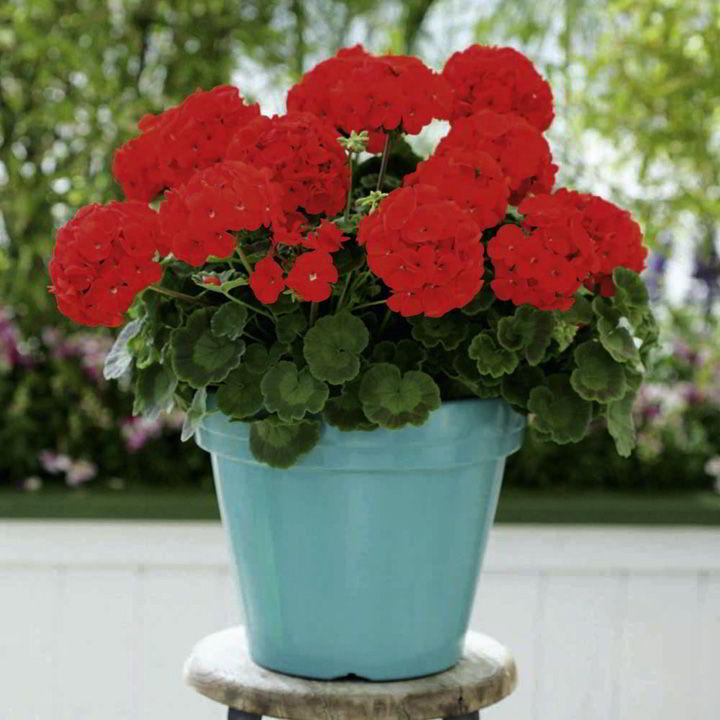
Susan said, “If I fertilize my geranium plants, then they will have more flowers.” What part of the Scientific Method is this?
recognize a problem
test the hypothesis with an experiment
form a hypothesis
draw conclusions
A scientific statement that explains observations.
Esther became interested in insulation while her parent’s new house was being built. She decided to determine which insulation transferred the least heat. She filled each of 5 jars half-full with water.
She sealed each jar with a plastic lid.Then she wrapped each jar with a different kind of insulation. She put the jars outside in the direct sunlight. Later, she measured the temperature of the water in each jar. What is the independent variable?
The type of insulation
The temperature of the water
Number of houses
The amount of sunlight

Using the picture, identify the control group.
Trial 1
Trial 2
Trial 3
Which of the following best describes a control group in an experiment?
The group that receives the experimental treatment (or IV)
The group that collects the data
The group that is not exposed to the experimental variable (does not get the IV)
The group with the largest sample size
Why is it important to change only one variable at a time in a well-designed experiment?
To use more materials
To save time during the experiment
To make the experiment more interesting
To ensure that the results are due to the variable being tested
What is the main purpose of repeating trials in an experiment?
To make the experiment longer
To increase the number of variables
To confirm the reliability of the results
To change the hypothesis

