Wayground logo

Free Printable Worksheets

Font size

S
M
L
XL
Worksheets

7th Grade Chemistry Review

Total questions: 42

Worksheet time: 25mins

Name
Class
Date
1.

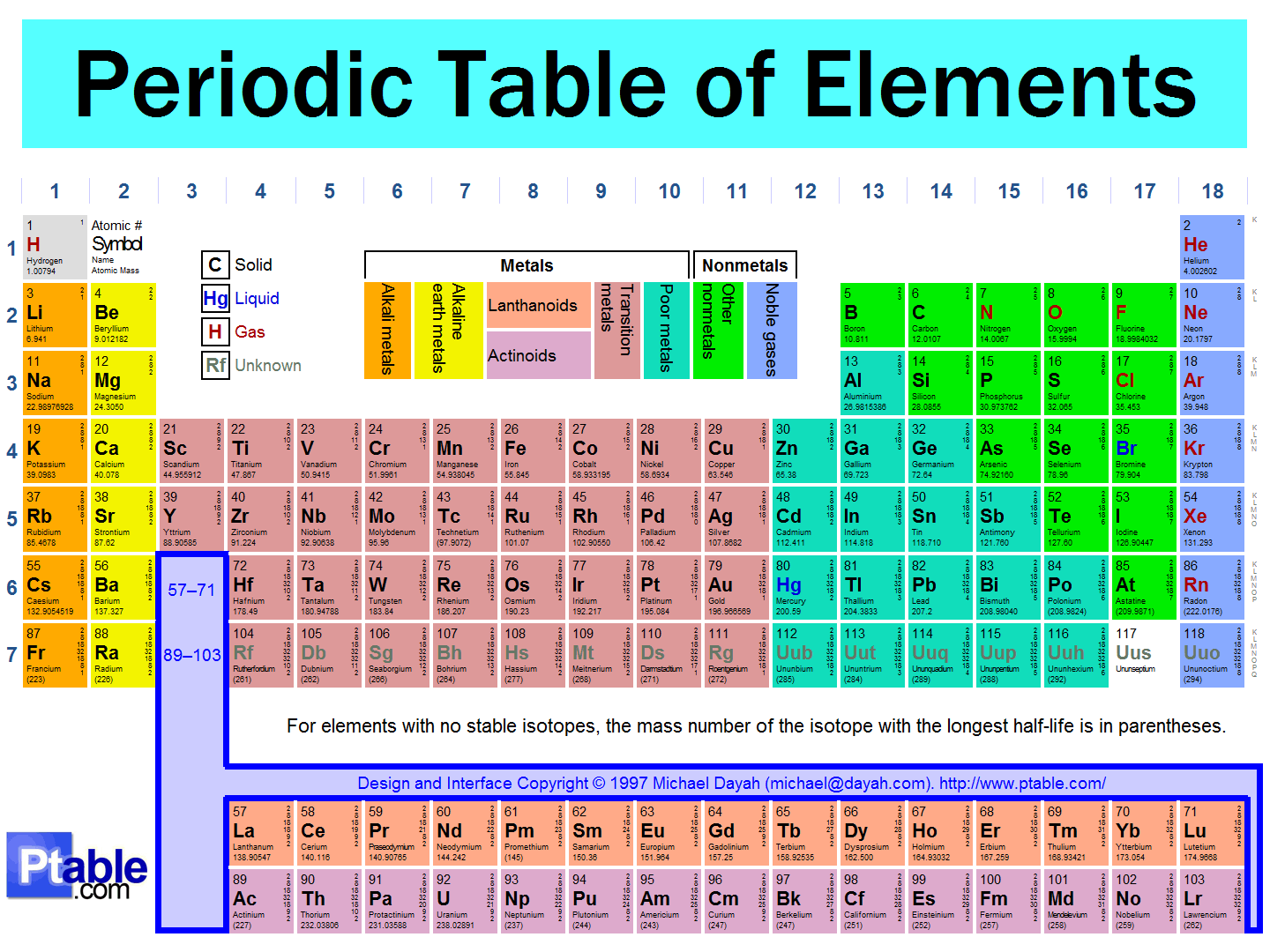
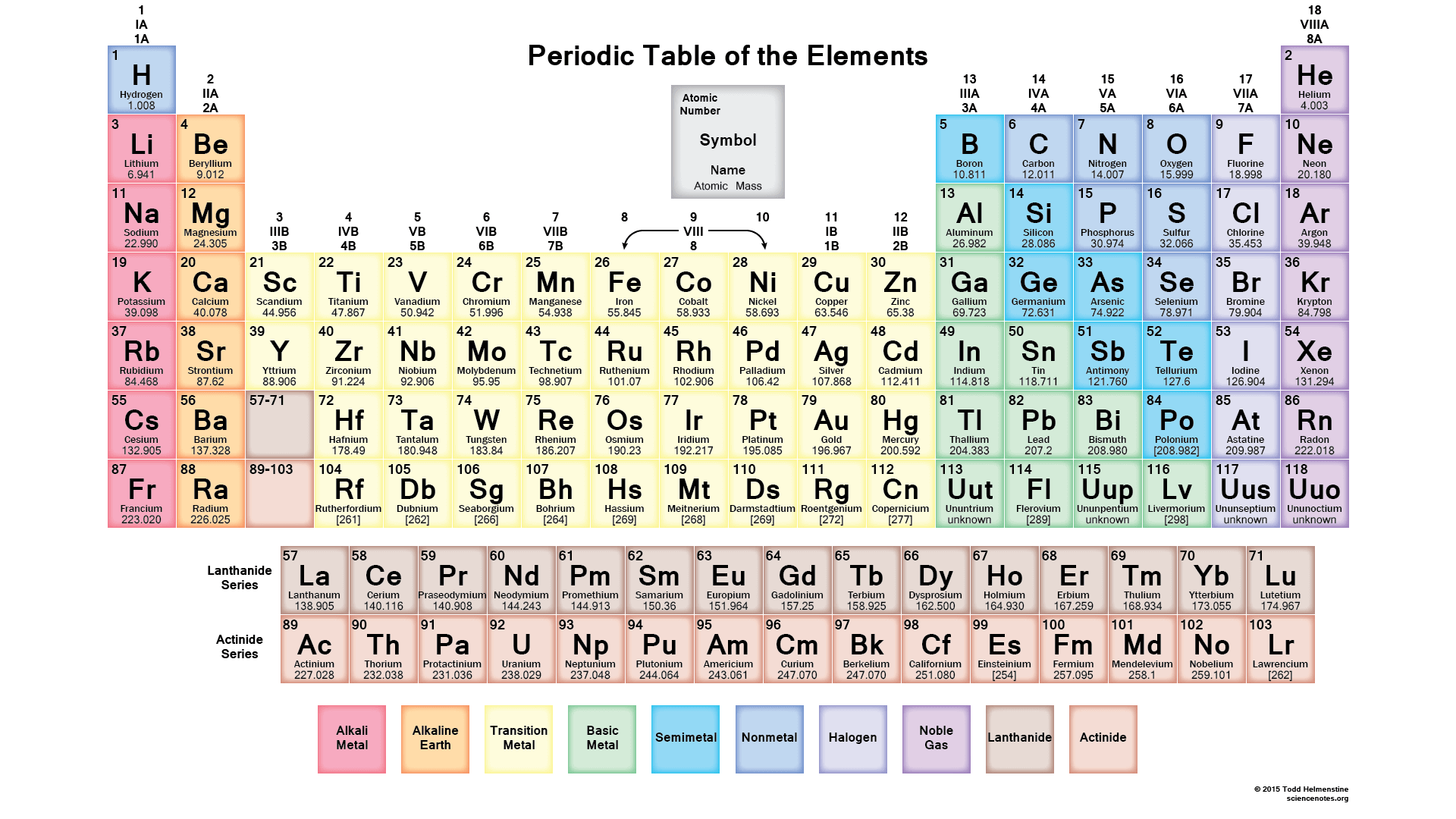
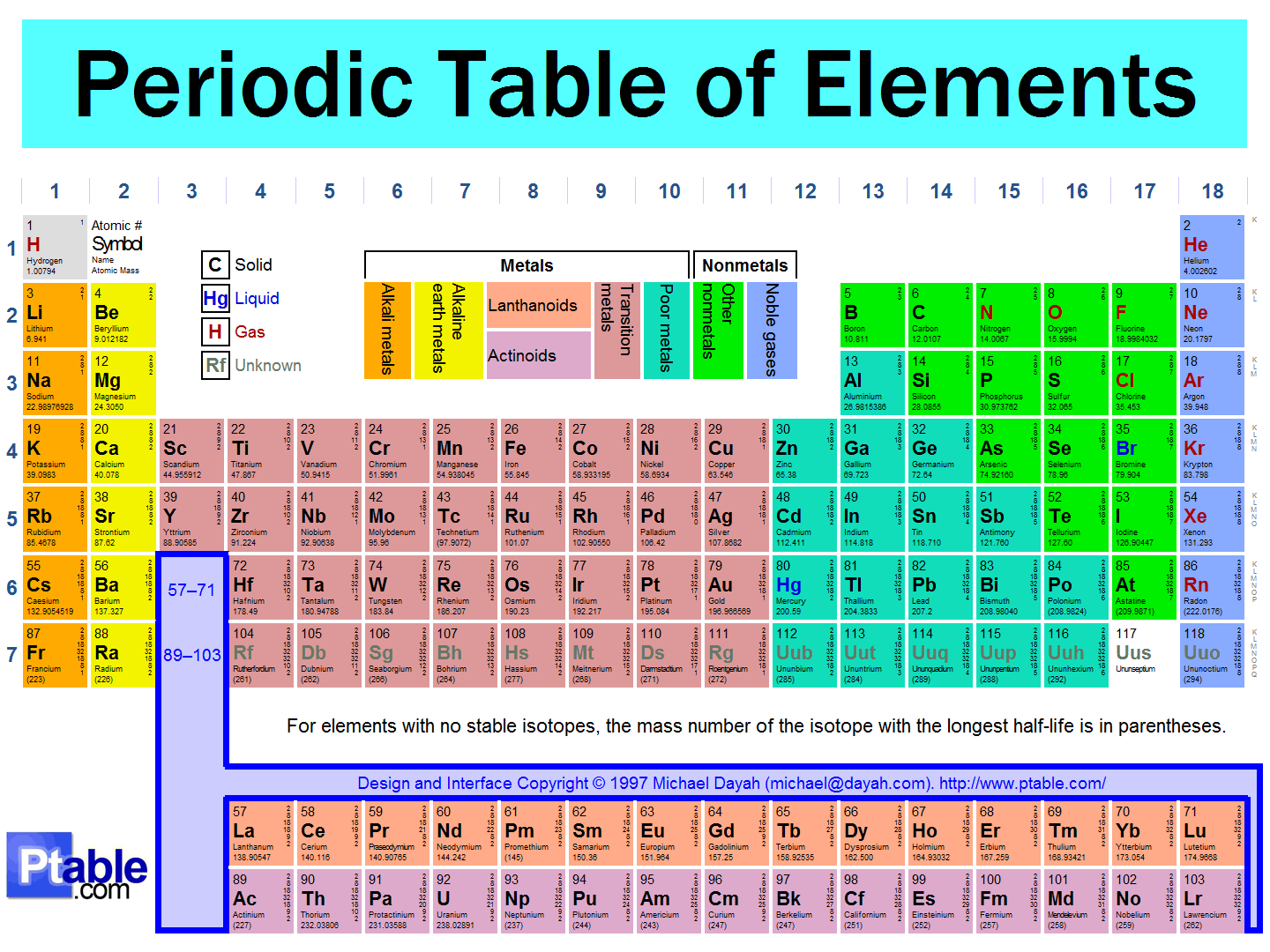
Which of the following is NOT true about the periodic table?

a)

Atomic mass is equal to the number of neutrons.

b)

Elements listed by their (increasing) atomic mass.

c)

Groups are the elements listed in columns.

d)

Periods are the elements listed in rows of 8 (for most rows).

2.

Chemical properties are

a)

an element’s ability to react with other elements.

b)

an element's ability to change into a gas.

c)

an elements attraction to water.

d)

any property which can be observed or measured.

3.

Which of the following is a compound containing more than one element?

a)

NaCl

b)

Be

c)

S

d)

Ne

4.

Which of the following chemical formulas has a subscript?

1. H2O

2. 2HCl

3. NaCl

a)

1 only

b)

2 only

c)

3 only

d)

1 and 2

5.

How many oxygen atoms are in an atom of hydrogen peroxide (H2O2) ?

a)

2

b)

4

c)

1

d)

8

6.

How many atoms are in the following chemical formula?

C6H12O6

a)

24

b)

3

c)

18

d)

12

7.

How many atoms are in the following chemical formula?

2CaCO3

a)

10

b)

8

c)

4

d)

5

8.

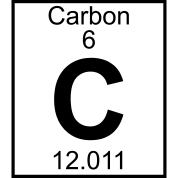
What is the atomic number of the atom?

a)

6

b)

12

c)

18

d)

3

9.

What is the atomic number of the following atom?

a)

20

b)

40

c)

60

d)

10

10.
In chemical reactions, what does the principle of conservation of mass mean?
a)
Matter is not created or destroyed.
b)
The total mass of the reactants is greater than the total mass of the products.
c)
The total mass of the reactants is less than the total mass of the products.
d)
Matter is not changed.
11.
How many Oxygen (O) atoms are in 2C2HO8Cl2
a)
2
b)
16
c)
8
d)
5
12.

All of the following are evidence of a chemical reaction, except:

a)

Phase change

b)

No new substance forming

c)

Bubbles show a gas formed

d)

Change in temperature

13.
Iron reacts with oxygen and rusts.
a)
chemical change
b)
physical change
14.

Boiling water it goes from a liquid to a gas.

a)

Chemical Change

b)

Physical Change

15.
A tire is inflated with air.
a)
chemical change
b)
physical change
16.
Paper burns.
a)
chemical change
b)
physical change
17.
What is the smallest identifiable unit of an element?
a)
atom
b)
molecule
c)
hydrogen
d)
quark
18.
This appears on the left side of a chemical formula, and represents how many molecules there are. 
a)
An Atom
b)
The Subscript
c)
A Molecule
d)
The Coefficient
19.
How many oxygen atoms are in this chemical formula?
a)
7 oxygen atoms
b)
4 oxygen atoms
c)
3 oxygen atoms
d)
1 oxygen atoms
20.
Can matter be created or destroyed?
a)
Yes, it can be created.
b)
Yes, it can be destroyed.
c)
No, matter is always conserved
d)
None of these
21.
The total amount of matter (atoms) before and after a chemical reaction (change), remains the same.
a)
True
b)
False
22.

How many protons does Nitrogen have?

a)

7

b)

8

c)

14

d)

14.01

23.

Which of the following particles is NOT found in an atom's nucleus?

a)

proton

b)

neutron

c)

electron

24.

What is the chemical symbol of this element?

a)

79

b)

Au

c)

AU

d)

gold

25.

The vertical (up and down) columns in the Periodic Table are called

a)

groups

b)

towers

c)

periods

d)

atomic numbers

26.
Sodium (Na) is found in period 
a)
3
b)
2
c)
4
d)
1
27.
Sodium (Na) is found in group 
a)
1
b)
2
c)
3
d)
4
28.
What does 12.011 represent?
a)
atomic mass
b)
atomic number
c)
element name
d)
chemical symbol 
29.
These are found on the Periodic Table.
a)
Compounds
b)
Elements
c)
Mixtures
30.

The horizontal (side to side) rows in the Periodic Table are called

a)

groups

b)

families

c)

periods

d)

atomic numbers

31.
What's a valence electron?
a)
electrons in the second energy level
b)
electrons in the outermost energy level
c)
the atomic number
d)
electrons in the first level
32.
How many valence electrons?
a)
2
b)
3
c)
5
d)
10
33.

The innermost energy level has a maximum of how many electrons?

a)

1

b)

2

c)

6

d)

8

34.

How many electrons can fit on the 1st energy level (orbital) for any Bohr Model?

a)

2

b)

6

c)

8

d)

10

35.

If an atom of Phosphorus has 16 neutrons, what is it's mass number?

a)

15

b)

16

c)

30.974

d)

31

36.

How many atoms of hydrogen are found in 2NH3?

a)

1

b)

2

c)

3

d)

6

37.

How many electrons are in this element?

a)

39

b)

19

c)

20

d)

21

38.

How many electrons does Barium (Ba) have?

a)

56

b)

81

c)

137

d)

218

39.

How many neutrons does Sodium (Na) have?

a)

11

b)

23

c)

34

d)

12

40.
These particles orbit around the nucleus of an atom.  What are they called?
a)
electrons
b)
protons
c)
neutrons
d)
photons
41.
What does the nucleus consist of?
a)
Protons + Electrons
b)
Neutrons + Electrons
c)
Atoms
d)
Protons + Neutrons
42.

How many neutrons are in potassium?

a)

39

b)

19

c)

20

d)

58