
 Worksheets
Chapter 1 Review
Total questions: 71
Worksheet time: 3570secs


Which anatomical plane is the ONLY horizontal plane?
sagittal
transverse
frontal

Which anatomical plane divides the body into equal right and left sides?
Transverse
Horizontal
Sagittal

Which anatomical plane divides the body into front and back
frontal/coronal
transverse/horizontal
sagittal plane
none of the above


What is anatomical position?
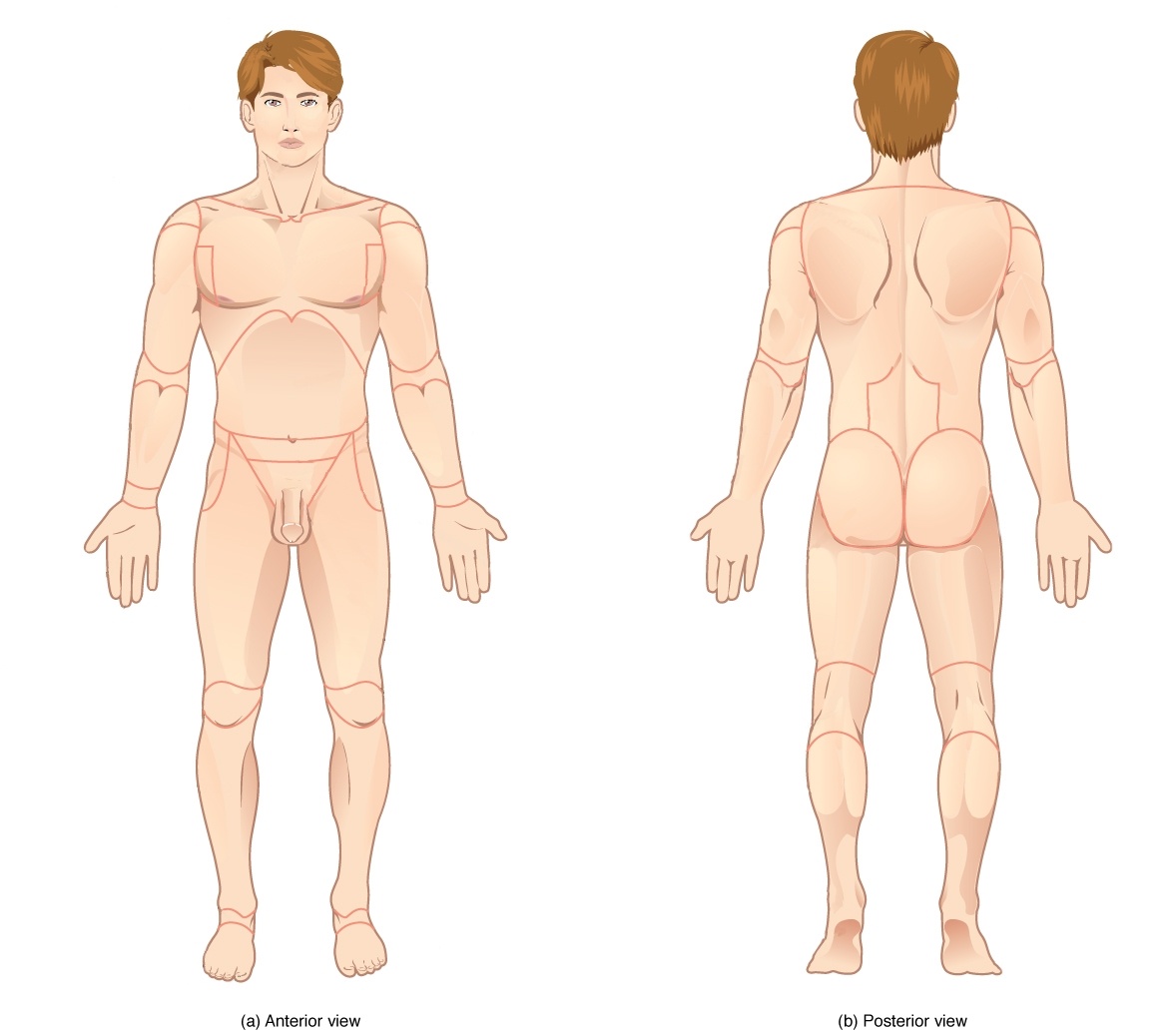
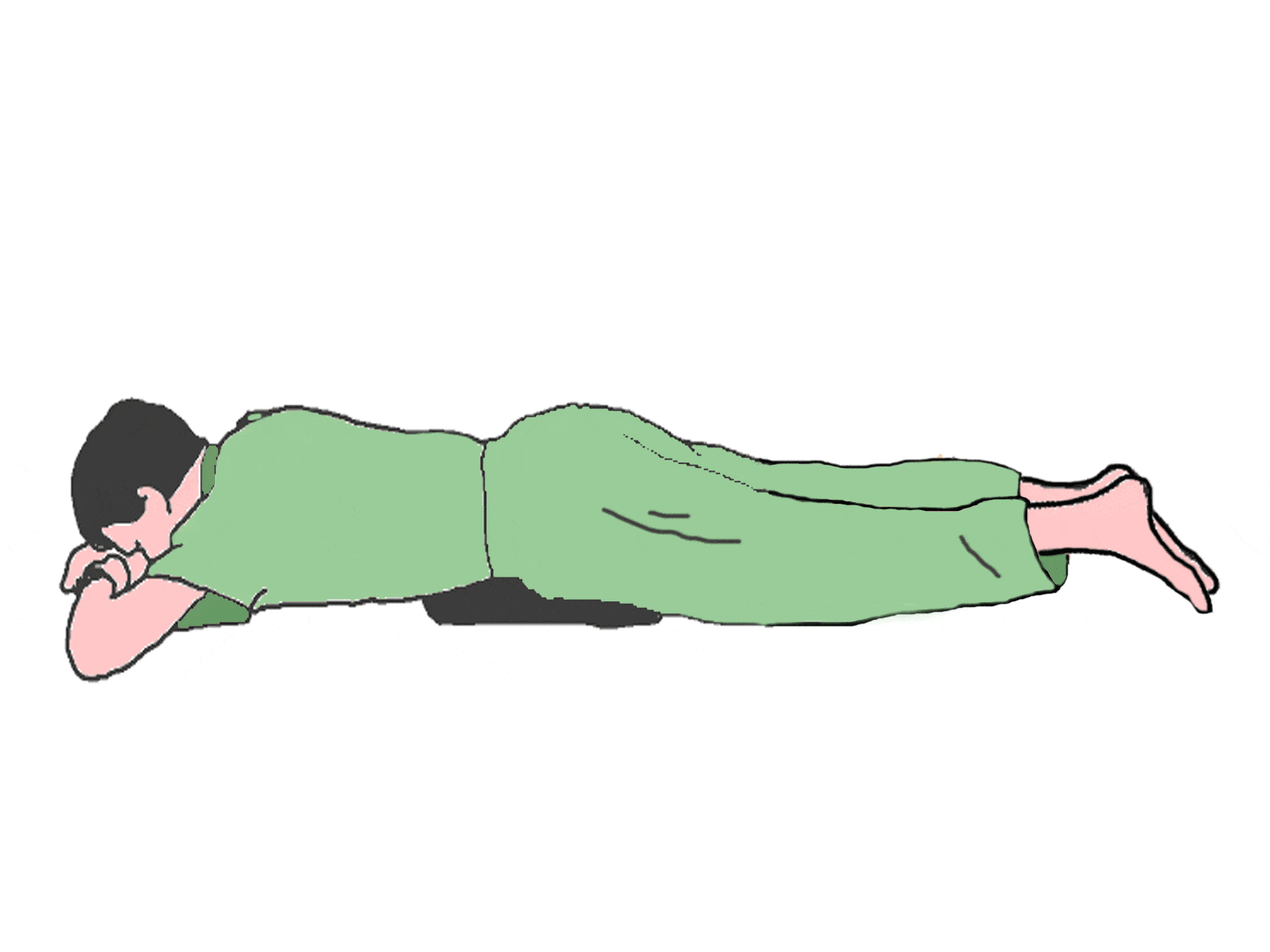
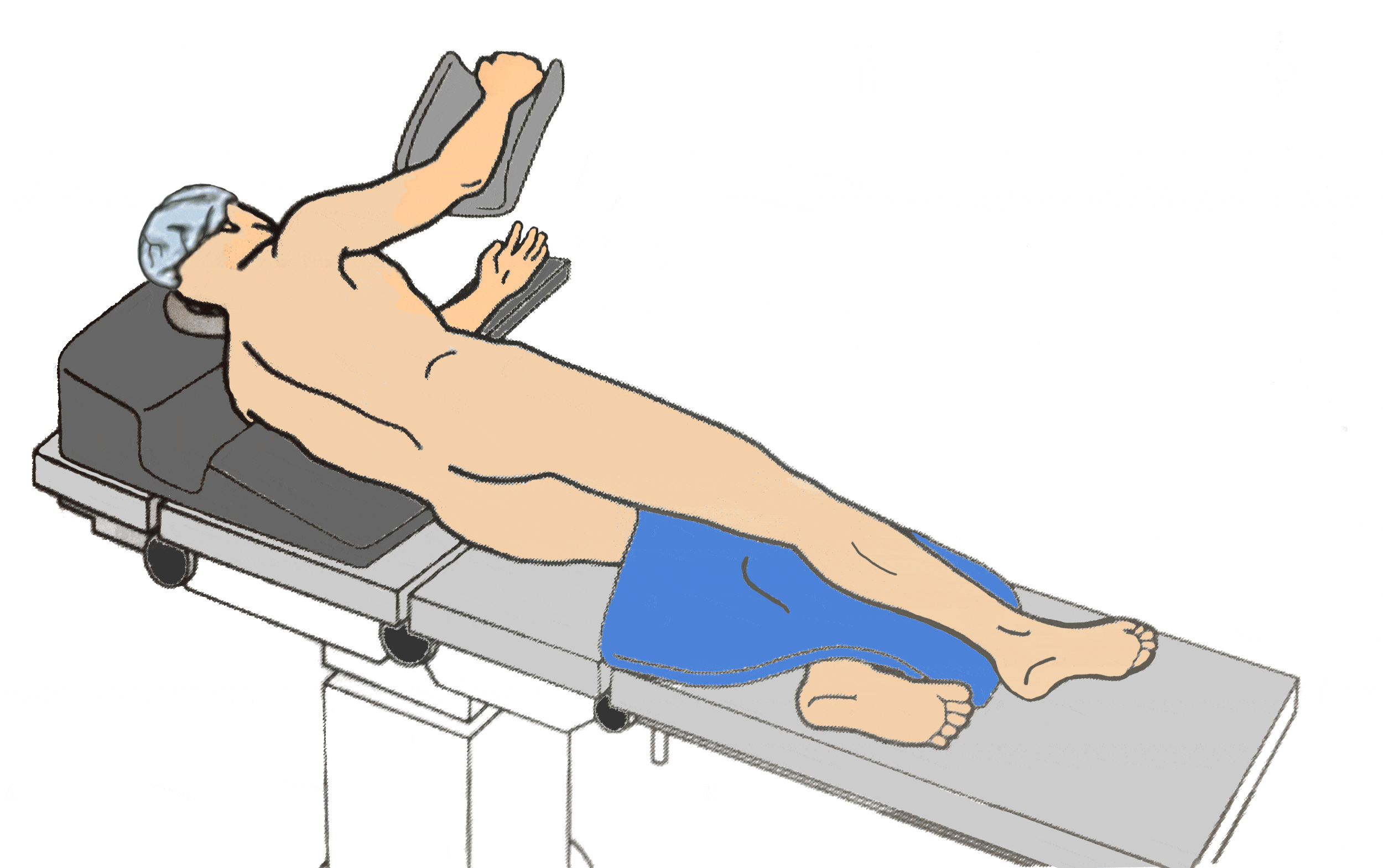
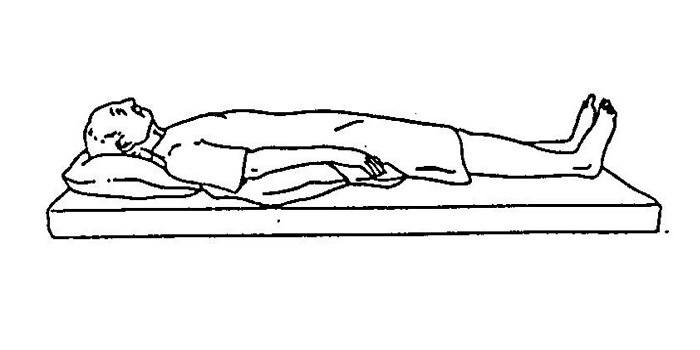
You find a patient laying face down, which position is this?
Supine
Anterior
Prone
Superior
A 47 year has fallen and is laying on her back, what position is this?
Lateral
Prone
Superior
Supine
Which cavity includes the heart and lungs?
Thoracic cavity
Cranial cavity
Abdominal cavity
Retroperitoneal cavity
The pinky finger is ______ to the thumb in anatomical position.
posterior
superior
lateral
medial

The study of the structures of the body
biology
physiology
anatomy
geology
The eyes are _________ to the ears
medial
lateral
anterior
posterior
Small, focused doses of high energy radiation passes through the subject, casting a "shadow" on the machine's sensors
MRI
X-Ray
CT
PET
Ultrasonography
Which of the following is an X-ray


Which of the following is produced using ultrasonography?
Which of the following is produced using PET?
Produces grainy images of soft tissues. Used exclusively on abdominal structures because it cannot pass through bone.
MRI
X-Ray
CT
PET
Ultrasonography
Requires the subject to drink radioactive sugars that get absorbed into tissues which give off radiation to the sensors.
MRI
X-Ray
CT
PET
Ultrasonography
This scan combines a series of X-ray images taken from different angles around your body and uses computer processing to create cross-sectional images (slices) of the bones, blood vessels and soft tissues inside your body.
MRI
PET
CAT
EEG
This image uses magnetic fields and radio waves to produce computer-generated images that distinguish among different types of brain tissue.
MRI
PET
EEG
CAT scan
What does MRI stand for?
magnetic resonance imaging
miraculous resonance imaging
medical resonance imaging
magnetic renaissance imaging

What quadrant does number 1 Represent?
Right Upper
Right Lower
Left Upper
Left Lower

What quadrant does number 2 Represent?
Right Upper
Right Lower
Left Upper
Left Lower

Cranial Cavity
Pleural Cavity
Pericardial Cavity
Vertebral Canal

The cavity surrounded by a box is?
Thoracic Cavity
Abdominal Cavity
Pelvic Cavity
Vertebral Canal


Anti
Beside
Outside
Against
Around
Bi-
Without
Upon
Excessive
Two
Melan/o
Death
Disease
Black
Dissolution
What does "arthro-" mean?
Red
Bone
Arm
Joint
What does "leuko-" mean?
White
Yellow
Pink
Opaque
stomach
cyto
brachio
hepato
gastro
________logist- scientist who studies the causes and effects of disease
Arterio
Hemo
Pneumo
Patho
Myo______al infarction (MI)- death of heart muscle cells (aka: heart attack)
Cardi
Bronch
Thromb
Veno
What does the suffix 'ectomy' mean?
Removal
Operation
Incision
addition
Adipo- means?
Muscle
Carbohydrate
Protein
Fat
Which of these prefixes indicates against?
ad-
ab-
ana-
anti-
Of the following, which is the most complex
tissue
organ system
organ
cell
The maintenance of an Internal Stable Environment
Hemostasis
Anatomy
Physiology
Homeostasis
Which of the following is the correct order of complexity
Atoms , cells , organs , tissues ,organ system , organism
Organism, cells , tissues , organs system
Atoms , molecules, Cells , tissues , Organs , Systems , Organism
Molecules, atoms , cells, tissues , organs, systems, organism
The sum of all chemical reactions in the body.
anabolism
metabolism
catabolism
What are organs made up of?
tissues
cells
organ systems
organism
Which of the body systems is responsible for exchanging oxygen and carbon dioxide?
nervous
disgestive
respiratory
cardiovascular
The ability of your body to maintain stable internal conditions such as temperature is
digestion
respiration
photosynthesis
homeostasis
An organ system is a collection of:
cells that perform the same function
tissues that perform the same function
organisms that work together
organs that work together
Which body system uses acids to break down food into smaller molecules that your body can use?
cardiovascular
respiratory
digestive
nervous
What is the skeletal system responsible for?
supporting and protecting the body
providing oxygen to all parts of the body
sending information throughout the body
removing wastes from the body
The main function of which of these body systems is to create voluntary movement, such as walking, and involuntary movement, such as shivering?
digestice
excretory
cardiovascular
muscular
The food that we eat gets broken down into simple materials that can be absorbed into the bloodstream. These simple materials, like glucose, are then transported throughout the body to fuel our cellular processes. Which body system is responsible for transporting those needed materials to all the cells?
cardiovascular
nervous
digestive
respiratory
Which system consists of the skin, hair, and nails?
Circulatory
Respiratory
Nervous
Integumentary
Match the organ system with its function
Nervous System
Controls the body
Circulatory System
Transports oxygen and nutrients through the body
Muscular System
Helps move the body
Excretory System
Removes waste
Match the organ system with its function(s).
Integumentary System
Protects the body and helps control body temperature
Skeletal System
Provides support, protects organs, helps the body move
Respiratory System
Takes in oxygen and removes carbon dioxide
Digestive System
Breaks down food, absorbs nutrients, and removes waste
Drag the images to match the labels

Cell

Tissue

Organ

Organ System

Organism
Which system produces hormones in your body?
endocrine
circulatory
lymphatic/immune
digestive
Which system fights disease?
endocrine
nervous
lymphatic/immune
digestive

