
 Worksheets
Biology Midterm (Fall final) Practice
Total questions: 68
Worksheet time: 1hrs 14mins
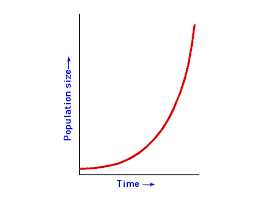
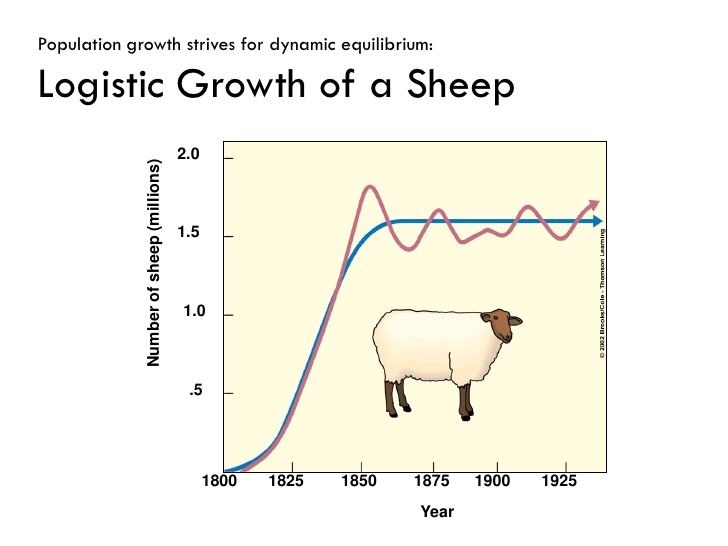

Which statement best explains section X?
competition does not occur between members of different species in the same habitat
energy is used for interbreeding between members of different species
the population has reached the carrying capacity of its environment
a predator recycles the remains of dead organisms



What is an example of a density-independent (Abiotic) limiting factor?
food
parasites
disease
pollution

What is the carrying capacity mean?
The number of individuals an area can carry
the number of births
The number of deaths an area has
not sure

parasites, disease, predators, are examples of what type of limiting factors?
density dependent
density independent
survivorship
type 1 curve
The eruption of Mt. St. Helens destroys most of the wildlife in the immediate area.
Density-dependent
Density-independent
Two animals attempt to occupy the same habitat. The more aggressive animal survives and the other does not.
Density-dependent
Density-independent
Since snakes prey on frogs, an increase in the frog population causes an increase in the snake population.
Density-dependent
Density-independent
A severe frost wipes out the citrus crop in Florida
Density-dependent
Density-independent
Enzymes belong to which class of macromolecules?
lipids
carbohydrates
proteins
nucleic acids
Sugar belongs to which class of macromolecules?
proteins
lipids
nucleic acids
carbohydrates

DNA belongs to which class of macromolecules?
proteins
nucleic acids
carbohydrates
lipids
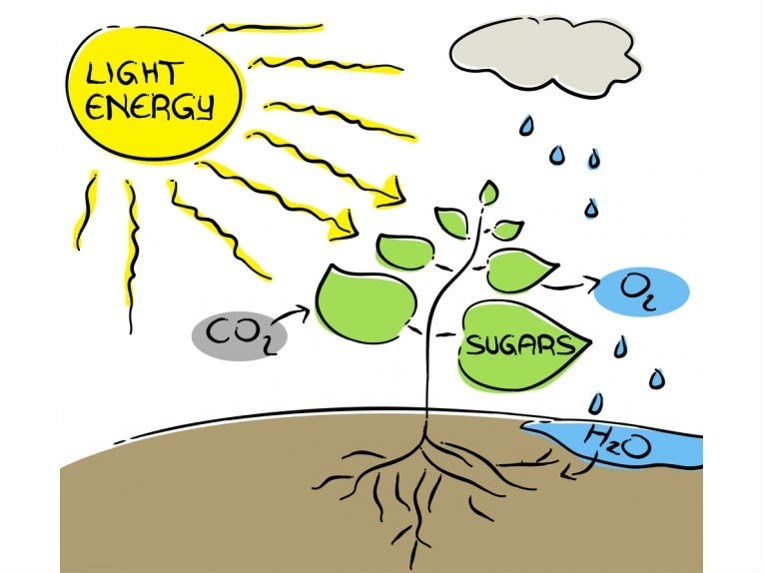
What organelle is responsible for photosynthesis?
mitochondria
chloroplast
ribosomes
cytoplasm
What are the raw materials (reactants) of photosynthesis?
Exit: Carbon dioxide
Exit: Glucose
Exit: Oxygen
Exit: Water vapor
6CO2 + light + 6H2O --> 6O2 + Sugar
6CO2 + sugar + 6H2O --> 6O2 + light
6O2 + light + 6H2O --> 6CO2 + Sugar
6CO2 + 6O2 + 6H2O --> Light+ Sugar

In which way are photosynthesis and cellular respiration different?
Cellular respiration stores ATP, while photosynthesis releases ATP.
Cellular respiration produces oxygen, while photosynthesis uses oxygen.
Photosynthesis releases energy, while cellular respiration stores energy.
Photosynthesis uses carbon dioxide, while cellular respiration produces carbon dioxide.
Which organism go through cellular respiration?
animals
plants
both animals and plants
none
7. How does a human body get energy?
Sunlight on the skin produces energy.
Water provides the majority of energy.
Food and oxygen combine to deliver energy
Sleep provides energy stored at night for the next day.
Which statement accurately describes an interaction between plants and animals?
Animals release CO2, required for photosynthesis.
Animals release O2, required for plant survival.
Plants provide humans with atmospheric nitrogen.
Plants provide humans with CO2 for respiration.
What is the equation for aerobic cellular respiration?

Cellular respiration (a) energy.
In what molecule is the energy carried in cells?
Glucose
Oxygen
ATP
Carbon Dioxide
What materials (reactants) GO INTO cellular respiration?
Glucose
ATP
Oxygen
Carbon Dioxide
Water
Organize the stages of cellular respiration from first to last.
Glycolysis
(Citric Acid) Krebs cycle
Electron Transport Chain
What types of cells never have a cell wall?
Plant
Animal
Fungi
Prokaryotic cells
Plant cells contain (a) , which aid in photosynthesis.
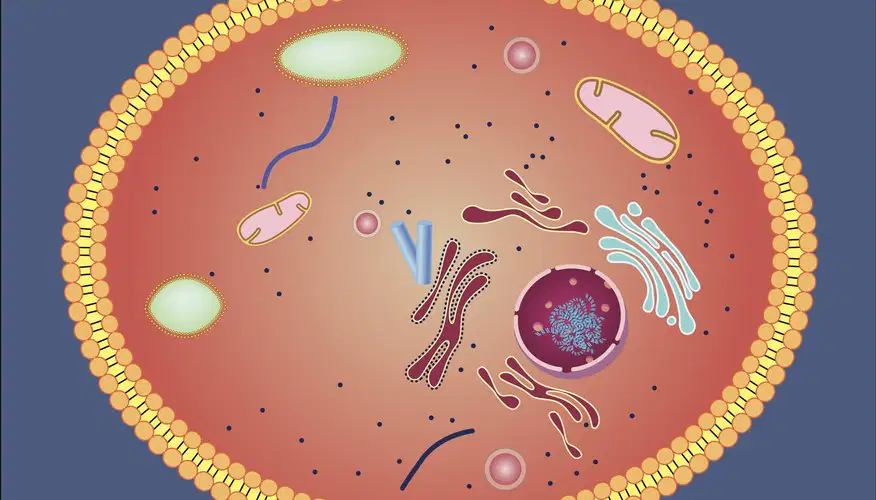
The semi-fluid material that suspends the organelles is known as the
Cytoskeleton
Cytoplasm
Nucleolus
Smooth ER

What is the main function of the Golgi Apparatus?
Makes Proteins
Inspects and packages proteins
Makes Ribosomes
Site of Photosynthesis
What is the main function of the Nucleus?
Holds the DNA
Makes Ribosomes
Packages Proteins
Supports and Protects
Ribosomes are key to the production of (a) .

Which cell is eukaryotic?
Left
Right


Prokaryotic cells do not have…….
Nucleus
cell membrane
DNA
genetic material
This macromolecule is made of CHO and provides quick energy to the cell.
carbohydrates
proteins
nucleic acids
lipids
This macromolecule can form many highly complex structures. Some of the many functions include structural support, speed up chemical reactions, and cell membrane channels.
carbohydrates
proteins
nucleic acids
lipids

