
 Worksheets
Unit 1 Review
Total questions: 63
Worksheet time: 49mins
Minerals are... Check all that apply
Solid
Inorganic
Organic
Natural
Laboratory made
Most minerals are found in the ____________ group.
Carbonates
Sulphates
Silicates
Halides
This mineral is used to preserve and season food. It is the mineral name for table salt.
magnetite
graphite
halite
gypsum
This mineral is commonly used in pencil lead.
halite
graphite
magnetite
sulfur
Which element(s) would be found in a mineral classified as a silicate?
carbon and oxygen
sulfur and oxygen
a halogen
silicon and oxygen
What mineral groups is the most common (96% of all minerals)?
silicates
carbonates
oxides
halides
What elements are in oxides?
only oxygen
only metals
silicon + metals
oxygen + metals
What elements are in carbonates?
only carbon
carbon + oxygen and metals
metals
carbon + nonmetals
In order to be called a mineral, a substance must have which of the following?
Definite chemical composition
oxygen as an element
silicon as an element
oxygen and silcon as elements
In order for a substance to be called a mineral, it must be inorganic. What does this mean?
Made up of once living organisms
Not made up of once living organisms
A mineral is
a naturally occurring, inorganic, solid, that has a crystal structure and a definite chemical composition.
an inorganic, manmade, solid, that has a crystal structure and a definite chemical composition.
a naturally occurring, organic, solid, that has a definite chemical composition, and a crystal structure
a naturally occurring, inorganic, solid, that has structure and a definite chemical composition
A crystalline structure means
disorderly internal structure
atoms or ions are arranged in an orderly repetitive manner
In class you learned that there are five criteria that make a mineral, a mineral. Based on what you learned, what are the five criteria?
Solid, Naturally Occurring, Inorganic, Fixed Chemical Formula, and Crystal Structure.
Fixed Chemical Formula, Organic, Living, Bright Color, and Crystal Structure.
Inorganic, Naturally Occurring, Plastic, Solid, and Fixed Chemical Formula.
Organic, Naturally Occurring, Crystal Structure, Solid, and Liquid.
Native copper is a solid, inorganic substance found in Earth. What would it be classified as?
Soil.
Animal.
Mineral.
Vegetable.

Plastic is a clear substance that is a solid. Plastic has a fixed chemical formula and is a man - made product.
Is plastic a mineral or not?
Please select two answers.
Yes, plastic is a mineral because it is formed from a man - made substance.
No, plastic is not a mineral because it is not naturally occurring in the environment.
Yes, plastic is a mineral because it is a solid substance that has a fixed chemical formula.
No, plastic is not a mineral because it does not have a crystal structure.
Fill in the blank with the correct answer choice.
Minerals can sometimes be thought of as the ______________________ of rocks. Minerals are the small particles that make up the materials in different types of rocks. Igneous, metamorphic, and sedimentary rocks all contain minerals.
Solid.
Building Blocks.
Crystal Structure.
Fixed Chemical Formula.
Minerals form ___________
when magma and lava cool.
when metamorphism occurs.
from hot water solutions where water evaporates.
all of the above.
The 6 Mineral groups are
Halides, oxygen, sulfides&sulfates, carbonates, silicates, native elements
Halides, oxides, sulfides&sulfates, carbonates, salts, native elements
Halides, oxides, sulfides&sulfates, carbon dioxides, silicates, native elements
Halides, oxides, sulfides&sulfates, carbon dioxides, silicates, gemstones
The way the light reflects off a mineral is called
(a)
Describe a way that minerals are formed (make sure to use complete senetences).
Which is true for Mineral
Is not crystalline
Does not have a fixed atomic structure
a solid object that has never been alive

All water on Earth is part of the...
Hydrosphere
Geosphere
Cryosphere
Atmosphere
A possible explanation for a set of observations or answer to a scientific question is called a _____ .
prediction
hypothesis
theory
law
A scientific ____ is a well-tested explanation for a wide range of observations or experimental results.
inquiry
hypothesis
theory
law
Which branch of Earth science includes the study of the stars?
astronomy
oceanography
meteorology
astrology
What branch of earth science deals with the composition of earth, its processes, and history?
Geology
Oceanography
Meteorology
Astronomy
Which of Earth's spheres includes the oceans, groundwater, lakes and glaciers?
Atmosphere
Biosphere
Hydrosphere
Geosphere
The blanket of gases that surrounds the earth’s surface.
Air
Atmosphere
Space
Biosphere
What is the term given to the study of Earth's oceans and the movement of water?
Environmental Science
Astronomy
Geology
Oceanography

Name the sphere that includes all solid, liquid, and gaseous water on Earth.
geosphere
hydropshere
atmosphere
biosphere
Thick layer of Earth located below the crust .
Lithosphere
Geosphere
Core
Mantle
The system that contains all living things on Earth.
Biosphere
Atmoshpere
Hydrosphere
Geosphere
A _____ force that builds mountains and other features on the surface of earth.
constructive
destructive
magnetic
unnatural
A _____ force slowly wears a way mountains and other features on the surface of earth.
constructive
destructive
magnetic
unnatural
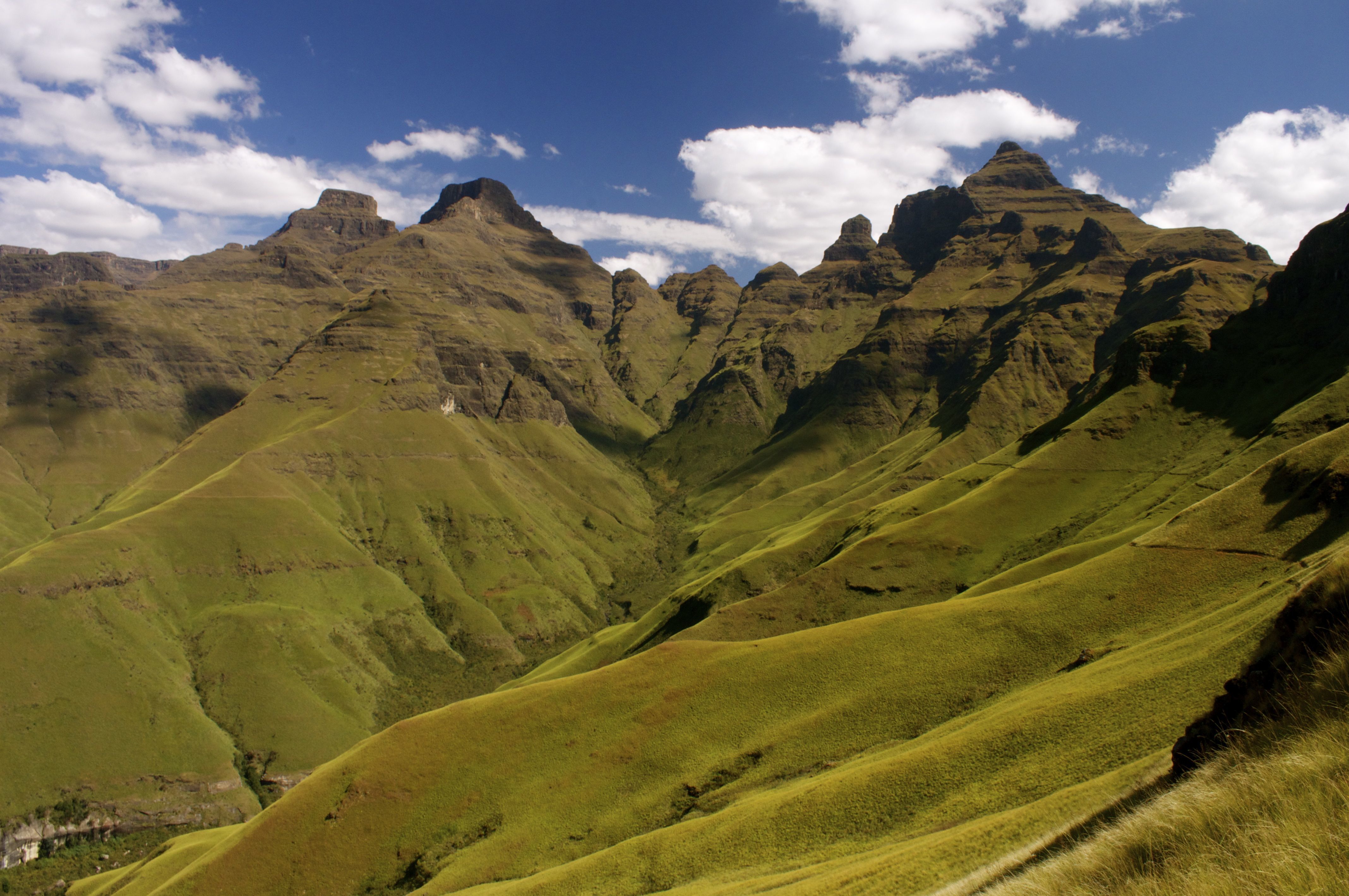

What items are found in the geosphere?
Ice
Air
Sand
Hippo


"I like KFC more than McDonalds!"
Is this a claim, evidence or reasoning?
Claim
Evidence
Reasoning

A statement that answers the question.
Claim
Evidence
Reasoning
science

Scientific data to back up the claim. Tell me the numbers!
Prove it!
Claim
Evidence
Reasoning
science
Use Scientific ideas to show how the evidence supports the claim.
Why? What it all means. Explain and discuss.
Claim
Evidence
Reasoning
science
What is an example of evidence?
Football players are 33% more likely to get injured than baseball players.
Football is more dangerous than baseball.
Baseball is a fun sport.
What is an example of a claim?
Mr. Brunt likes Star Wars
In the fall, because of changes in the length of daylight and changes in temperature, the leaves stop their food-making process.
The data shows that when leaves are taken away from sunlight, they change colors.
The explanation for the formation and evolution of the solar system is called ____.
Big Bang Theory
Nebular Hypothesis
Asteroid Theory
The outer planets are primarily composed of
rocks
metals
gases
dust
A nebula is
a cloud of gas and dust
an asteroid
a protosun
a planet


