wayground logo

Free Printable Worksheets

Font size

S
M
L
XL
Worksheets

The Nervous system

Total questions: 62

Worksheet time: 1hrs 1mins

Name
Class
Date
1.
Which are the main divisions of the nervous system?
a)
afferent and efferent
b)
peripheral and central
c)
somatic and autonomic
d)
sympathetic and parasympathetic
2.
What is the central nervous system made up of?
a)
brain and spinal cord
b)
cranial and spinal nerves
c)
sensory and motor systems
d)
sympathetic and parasympathetic systems
3.
What is the main function of the cerebellum?
a)
Consciousness
b)
sensory reception
c)
homeostatsis
d)
muscle coordination
4.
What is the largest part of the brain?
a)
Cerebellum
b)
Cerebrum
c)
brain stem
d)
medulla oblongata
5.
What is responsible for heartbeat, breathing, and blood pressure?
a)
midbrain
b)
pons
c)
medulla oblongata
d)
cerebrum
6.
What part of the brain is responsible for thought and planning?
a)
frontal
b)
parietal
c)
temporal
d)
occipital
7.
What part is responsible for visual processing?
a)
frontal
b)
parietal
c)
temporal
d)
occipital
8.
Which neurons carry messages from the brain to the body?
a)
sensory neuron
b)
motor neuron
c)
interneuron
d)
afferent
9.
Which system controls involuntary responses?
a)
somatic
b)
autonomic
c)
sympathetic
d)
parasympthetic
10.
What is number 1?
a)
dendrite 
b)
axon
c)
cell body
d)
myelin sheath
11.
What is number 4?
a)
dendrite
b)
axon 
c)
cell body
d)
myelin sheath
12.
What is number 5?
a)
cell body
b)
nucleus
c)
axon terminal
d)
synapes
13.
What is number 2?
a)
Cerebrum
b)
Cerebellum
c)
brain stem
d)
spinal cord
14.
The part of the neuron that insulates the axon and increases the speed of the neural message within the neuron.
a)
Synapse
b)
Dendrite
c)
Myelin Sheath
d)
Axon Terminal Button
15.
This part of the neuron stores then releases neurotransmitters into the synapse.
a)
Axon 
b)
Dendrite
c)
Myelin Sheath
d)
Axon Terminal
16.

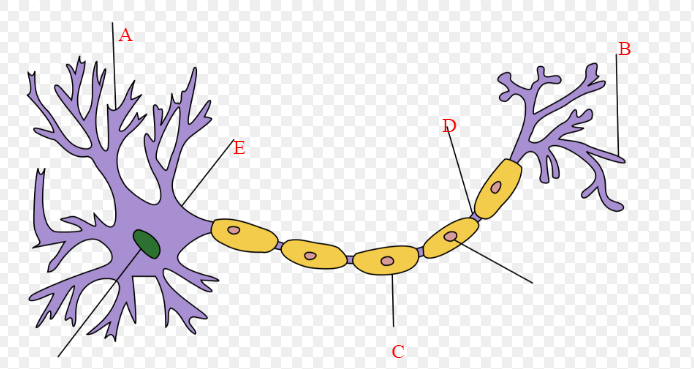
This part of the neuron receives chemical messages from the neurotransmitters of other neurons. It is labeled A in the diagram.

a)

Dendrite

b)

Axon

c)

Axon Terminal

d)

Cell Body

17.

Which part sends nerve impulse to the next cell?

a)

Dendrite

b)

Axon

c)

Axon Terminal

d)

Cell Body

18.

The long, fiber like part of a neuron which the cell sends information to receiving neurons. Labelled D in diagram.

a)

Synapse

b)

Axon

c)

Axon Terminal

d)

Dendrite

19.

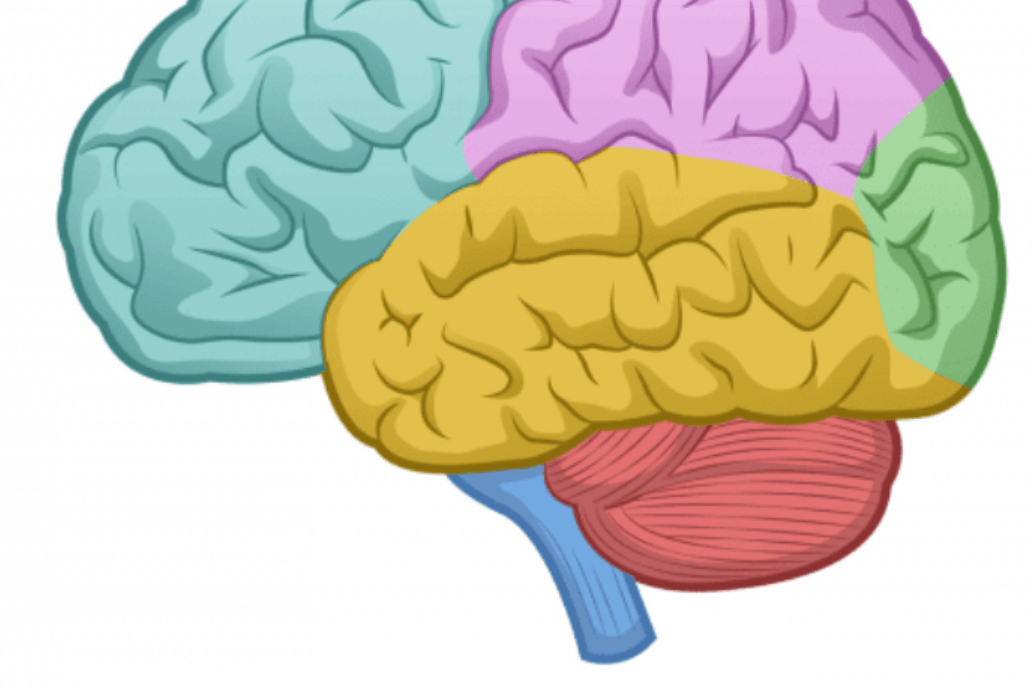
What structure is bright blue and located at bottom of the brain and controls the information sent between brain and rest of the body?

a)

Cerebrum

b)

Cerebellum

c)

Brain Stem

20.

Which statement best describes a reflex arc?

a)

Slow response that you have to think about

b)

Rapid response to protect body from harm

21.

Where would the nerve impulse start in this reflex arc?

a)

A

b)

C

c)

D

d)

E

22.

_____ neurons carry messages away from the central nervous system and out to muscles or glands. The RED neuron in diagram.

a)

sensory

b)

motor

c)

inter

d)

central

23.

Which way does an impulse travel

a)

From dendrite to axon and out axon terminal

b)

From axon to axon and out dendrite terminal

c)

From axon to dendrite and out axon terminal

d)

From cell body to dendrite and out axon terminal

24.

__________ carry messages between sensory neurons and motor neurons.

a)

Active Neurons

b)

Interneurons

c)

Refraction Neurons

d)

Flower Neurons

25.

These type of cells are responsible for transmitting electrical signals from nervous system to various parts of the body.

a)

Neuron

b)

Nerve

c)

Villi

d)

Somatic

26.

what might be a job of a motor neuron?

a)

connecting to a muscle and helping you move

b)

connecting within the brain to help you make a decision

c)

sending a message toward your brain from a pain receptor in your skin

d)

all of these

27.

Which best describes myelin?

a)

it is a neurotransmitter that triggers muscle contraction

b)

it is a protein that builds the axon

c)

it is a fat that speeds the message along the axon

d)

it is a fat that helps the neuron "hear" messages

28.

The PNS (peripheral nervous system)

a)

contains the brain and spinal cord

b)

contains all the nerves of the body

c)

is divided into the somatic and autonomic systems

d)

is divided into the sympathetic and parasympathetic divisions

29.

The part of your brain that senses pain is the....

a)

blue lobe

b)

yellow lobe

c)

green lobe

d)

pink lobe

30.

Name structure 3

a)

thalamus gland

b)

pineal gland

c)

cerebellum

d)

corpus callosom

31.

In the reflex arc shown, which number would be the effector?

a)

B

b)

D

c)

G

d)

F

32.

What of the following would your parasympathetic system do in a time of stress?

a)

increase heartrate

b)

inhibit digestion

c)

restore salivary production

d)

decrease blood pressure

33.
Division of the Autonomic Nervous System (which is a subdivision of the Peripheral Nervous System) that is FIGHT OR FLIGHT
a)
sympathetic
b)
parasympathetic
34.
 Division of the Autonomic Nervous System (which is a subdivision of the Peripheral Nervous System) that is & REST AND DIGEST
a)
sympathetic
b)
parasympathetic
35.
active digestion
a)
sympathetic
b)
parasympathetic
36.
The sense of taste detects ________________ stimuli.
a)
chemical
b)
mechanical
c)
electromagnetic
d)
thermal
37.
The sense of hearing detects ________________ stimuli.
a)
electromagnetic
b)
thermal
c)
mechanical
d)
chemical
38.
The sense of touch detects ________________ stimuli.
a)
electromagnetic
b)
chemical
c)
mechanical
d)
pH
39.
What is the main function of the nervous system?
a)
Responsible for control of the body and communication among body parts
b)
Responsible for production of offspring
c)
Helps to rid the body of toxins, water, and other unwanted materials and transports lymph, a fluid containing infection-fighting white blood cells, throughout the body
d)
Provides oxygen to the body's cells, while moving carbon dioxide
40.

“They are cells specialized in picking up stimulus, whether they are internal or external, and send them to the brain through the nervous system”. This is the definition of...

a)

Stimulus

b)

Receptor

c)

Sense

d)

Taste

41.
A receptor that detects light and darkness it's called...
a)
Photoreceptor
b)
Mechanoreceptor
c)
Chemoreceptor
d)
brightnessreceptor
42.
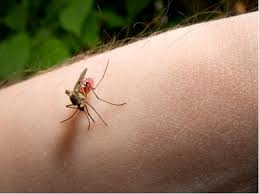
"You feel a mosquito biting  your arm". This is because you have ....................... in your skin.
a)
Lateral lines
b)
Photoreceptors
c)
Mechanoreceptors
d)
Electroreptors
43.
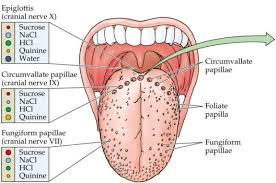
Taste receptors in the gustatory system are...
a)
Chemoreceptors
b)
Mechanoreceptors
c)
Electroreceptors
d)
Photoreceptors
44.

Why might you feel something touching you on your head quicker than on your foot.

a)

The message from the head travels farther to the brain

b)

the message from the foot travels farther to the brain

c)

The head is less sensitive than the foot

d)

The foot doesn't send messages to the brain

45.

Examples of Chemoreceptors are....

a)

Touch and hearing

b)

Sight and time

c)

Taste and smell

d)

Pain and tissue damage

46.

Examples of Mechanoreceptors are...

a)

Touch and pressure

b)

Taste and smell

c)

Movement and body position

d)

Temperature and heat

47.

A receptor that detects light and darkness it's called...

a)

Photoreceptor

b)

Mechanoreceptor

c)

Chemoreceptor

d)

brightnessreceptor

48.

Anything that causes you to react is called

a)

sound

b)

response

c)

stimulus

d)

memory

49.

What receptor detects pain?

a)

Thermoreceptor

b)

Mechanoreceptor

c)

Proprioceptor

d)

Nocioreceptor

50.

What is a thermoreceptor?

a)

Responds to body position

b)

Responds to changes in temperature

c)

Responds to physical forces including touch and pressure

d)

Responds to squirrels running outside

51.

Any change in an organism’s environment that causes to the organism to react is the definition of ...

a)

a stimulus

b)

a learned behavior

c)

an instinct

d)

homeostasis

52.

How the organism reacts to a stimulus. It is a change in behavior is the definition of

a)

a response

b)

a stimulus

c)

homeostasis

d)

migration

53.
Identify the stimulus:
You are at the mall walking through the food court. You smell fresh baked pizza and realize that you skipped lunch.  You buy a piece of pizza and eat it before going to buy your CD.
a)
the smell of pizza
b)
buying a pizza
c)
food court
d)
buying the CD
54.
Identify the response:
You are at the mall walking through the food court. You smell fresh baked pizza and realize that you skipped lunch.  You buy a piece of pizza and eat it before going to buy your CD
a)
the smell of pizza
b)
buying a piece of pizza
c)
buying the CD
d)
food court
55.

Check all that apply. Which of the following are examples of an organism maintaining homeostasis?

a)

Shivering when cold

b)

Sweating when hot

c)

Fever - an immune response when sick

d)

Vomiting - releases toxins and wastes

56.

Define stimulus.

a)

Change in an organism’s environment that causes it to react.

b)

How the organism reacts to the stimulus.

57.

Define response.

a)

Change in an organism’s environment that causes it to react.

b)

How the organism reacts to the stimulus.

58.
Homeostasis
a)
allows for a wildly fluctuating internal environment
b)
is impossible in vertebrates
c)
is the maintenance of a relatively stable internal environment and often incorporates a form of feedback regulation
d)
is the maintenance of a relatively stable external environment and often incorporates a form of feedback regulation
59.
If the environment gets cold, we will often shiver in order to:
a)
keep body temperature the same as the external temperature
b)
decrease body temperature
c)
increase body temperature
d)
regulate blood pressure
60.
Failure to maintain homeostasis could result in:
a)
lack of internal balance
b)
eventual death
c)
difficulty carrying on metabolism 
d)
all three
61.
Maintaining body temperature is an example of a:
a)
negative feedback loop
b)
positive feedback loop
62.
When glucose levels in the blood rise, your brain sends a signal to your pancreas. The pancreas releases insulin, which opens channels in cell membranes to allow glucose to enter the cell, lowering blood sugar levels. 
a)
Positive Feedback Response
b)
Negative Feedback Loop