
 Worksheets
Biodiversity Ch 1-2 Review
Total questions: 58
Worksheet time: 3hrs 57mins

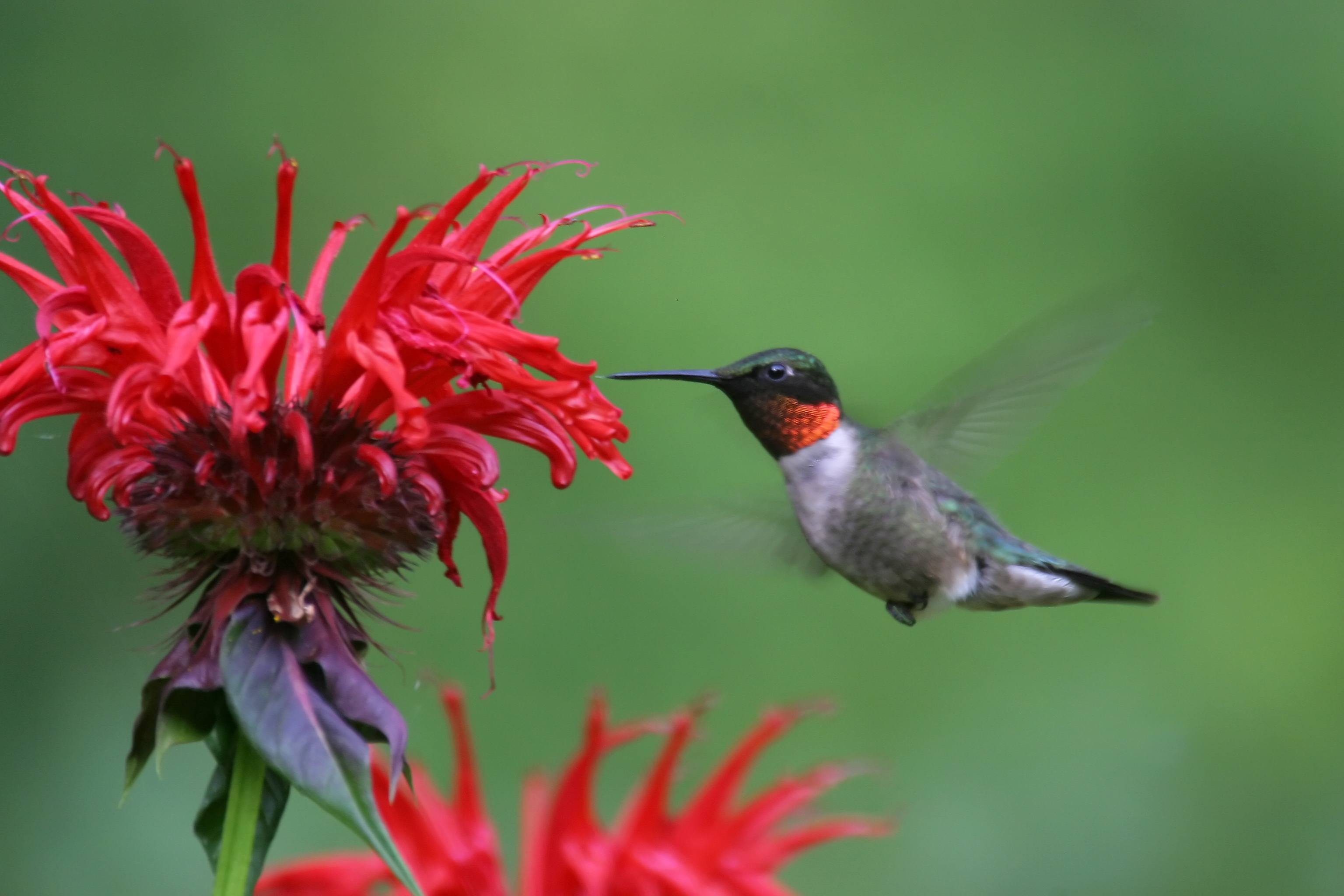

Aphids are tiny insects that live on and eat the leaves of plants, removing vital nutrients from the plants.
Predation
Parasitism
Commensalism
Mutualism


What does the root "bio" mean...
living
nonliving
toxic
variety
What does the root "diversity" mean...
living
nonliving
toxic
variety


Which ecosystem is more likely to survive a change in the environment?
One with High biodiversity
One with Low biodiversity

Define genetic diversity
a variety of genes and traits within a species
a variety of ecosystems in a given area
system made up of all the living and nonliving things in a given area
a variety of species in an ecosystem


A group of organisms that have common characteristics and can reproduce to breed offsprings is called.......
ecosystem
community
species
population
A group of organisms of the same species that live in the same habitat is called .....
species
population
community
ecosystem
A community is a few species of different organisms that live together in one habitat and have mutual interaction with one another.
True
False
An ecosystem is a few communities that live together in one habitat and have mutual interaction with one another including all the non living components such as water, air and soil.
True
False

Look at the picture carefully. Decide if the picture shows a population or a community.
All of the animals in the rain forest.
Population
Community

Look at each picture carefully. Decide if the picture shows a population or a community.
The deer in the forest.
Population
Community

Which of the following is not a benefit of asexual reproduction?
Offspring will be successful in an unchanged environment.
Good at adapting to changing environments.
Only requires one parent to produce offspring.
Can reproduce rapidly.
An organism that has been reproduced by asexual means receives ______________ of its chromosomes from its one parent.
3
25%
50%
100%
In asexual reproduction, all of the offspring are:
Physically Identical
Genetically Identical
Physically and Genetically Identical
Not Identical
What is the big advantage of sexual reproduction?
Can quickly grow the population
Offspring are guaranteed to be successful in an unchanged environment.
Only one parent is required to reproduce.
Can adapt to changing environments
An organism that has been reproduced by sexual reproduction received ____________ of its chromosomes from the male parent.
4
25%
50%
100%

These are long strands of DNA in the nucleus that controls the traits of an organism.
Gene
Allele
Chromosomes

If a cow has 60 chromosomes in a somatic cell how many chromosomes would be in a cow's sex cell?
60
120
30
90
What is the type of reproduction that only requires one parent?
Asexual
Sexual
Which type of reproduction results in diversity because the offspring are a combination of the parents and genetically different?
Asexual
Sexual
Which of the following describes the main advantages of sexual reproduction?
requires lots of time/energy
no new gene combos can arise
genetic diversity
looks identical to the parent
When an offspring grows off from the body of a parent organism it is called __________________.
budding
fission
fragmentation
sporulation
What are some disadvantages to sexual reproduction? (select all that apply)
it takes a lot of energy to find a mate
you don't need another mate
it requires a male and a female
it takes a lot more time than asexual reproduction
What are some advantages of asexual reproduction? (select all that apply)
it only requires one organism
it takes less energy than sexual reproduction
offspring are already well-adapted for the environment
there is a lot of genetic variety
Which process is considered to be faster?
Asexual Reproduction
Sexual Reproduction
What organism reproduces using fission?
coral
strawberries
bacteria
sea star
When offspring grow from part of a parent plant:
fission
budding
cloning
vegetative regeneration
What organism reproduces using budding?
coral
strawberries
bacteria
sea star
What is an disadvantage of asexual reproduction?
An organism can reproduce without a mate
Some organisms can quickly produce a large number of offspring
There is little genetic variation within a population
A type of reproduction in which the genetic materials from two different cells combine, producing offspring:
asexual reproduction
sexual reproduction
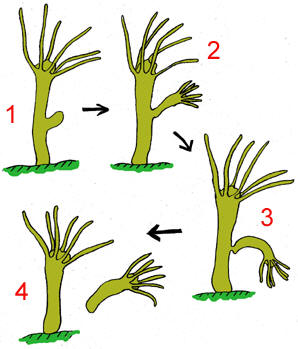
When an offspring grows off from the body of a parent organism it is called __________________.
budding
fission
fragmentation
sporulation

When a single-celled organism splits into 2 new organisms it is called _________________.
fragmentation
fission
budding
sporulation

An organism's reproductive cells, or sex cells, are called _____.
bacteria
prokaryotes
gametes
pathogens

A _______ is a segment of DNA that codes for a specific protein or RNA molecule.
gene
gamete
chromosome
chromatid

A _________ is DNA tightly coiled around proteins.
gene
chromosome
trait
mutation

How many chromosomes does a human body cell have, total?
48
46
23
47

A _______ is an egg that has been fertilized by a sperm cell.
gene
chromosome
zygote
embryo
Down Syndrome is also known as _________.
Trisomy 18
Trisomy 21
Monosomy X
Trisomy 13
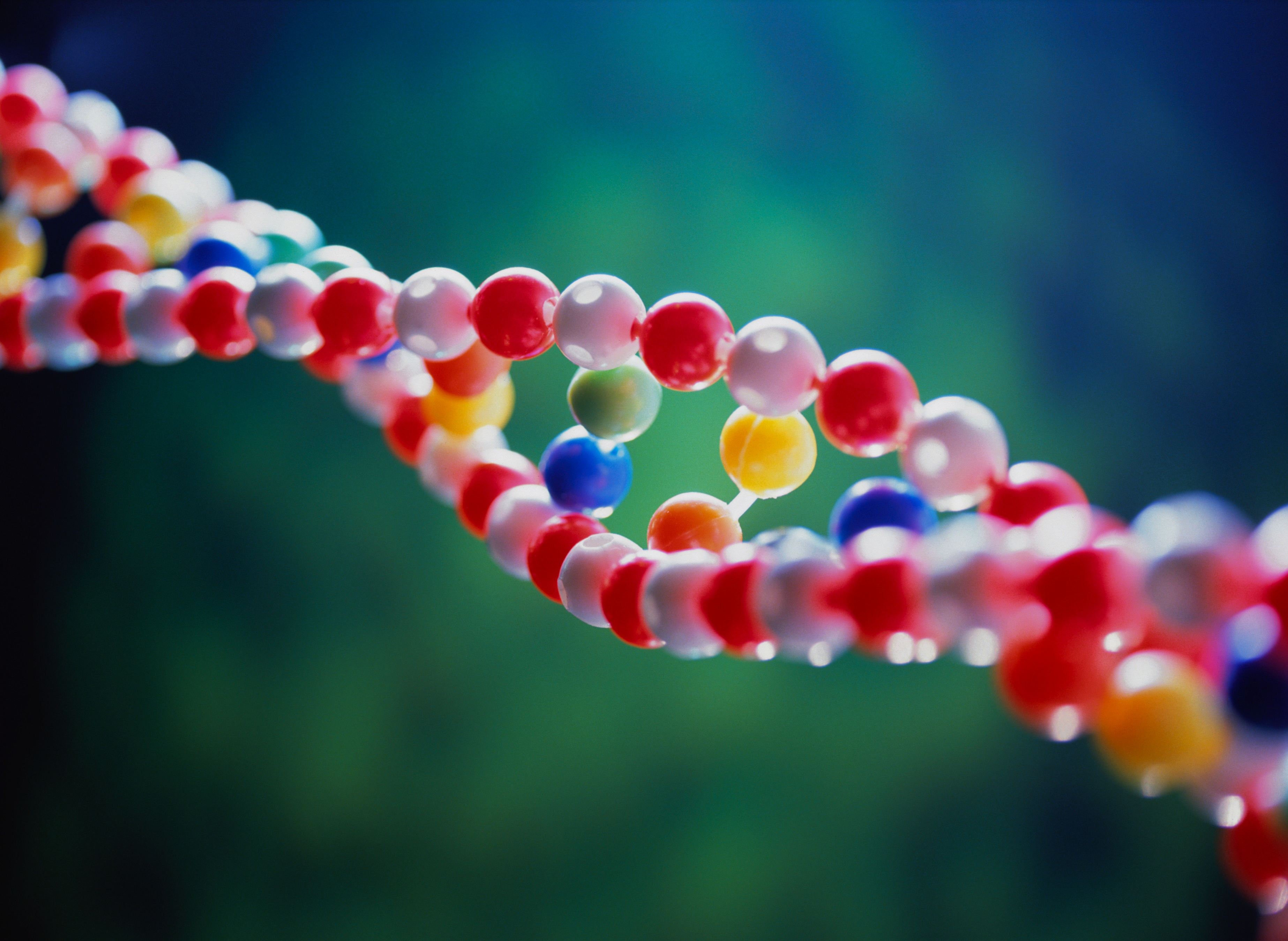
ATG TGA CAG
In eukaryotes, which organelle is DNA usually found in?
cell membrane
vacuole
chloroplast
nucleus

