
 Worksheets
Bio - Enzymes and Macromolecules Review
Total questions: 30
Worksheet time: 21mins
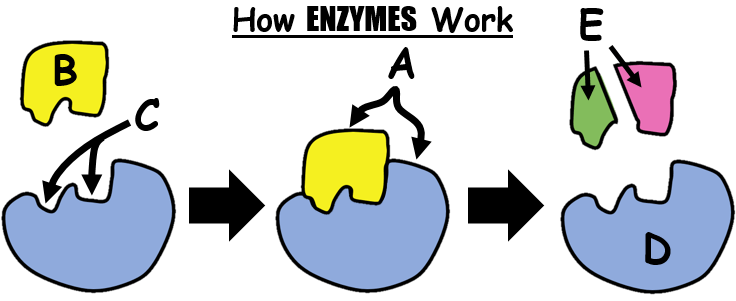
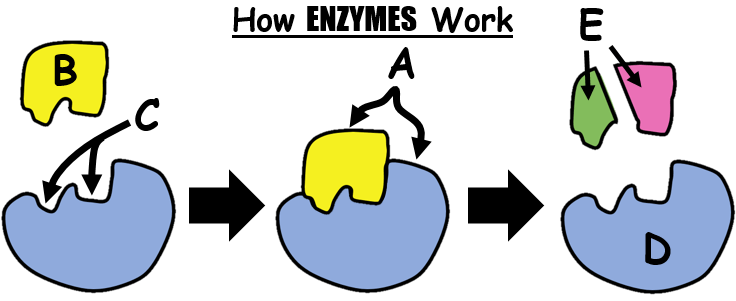
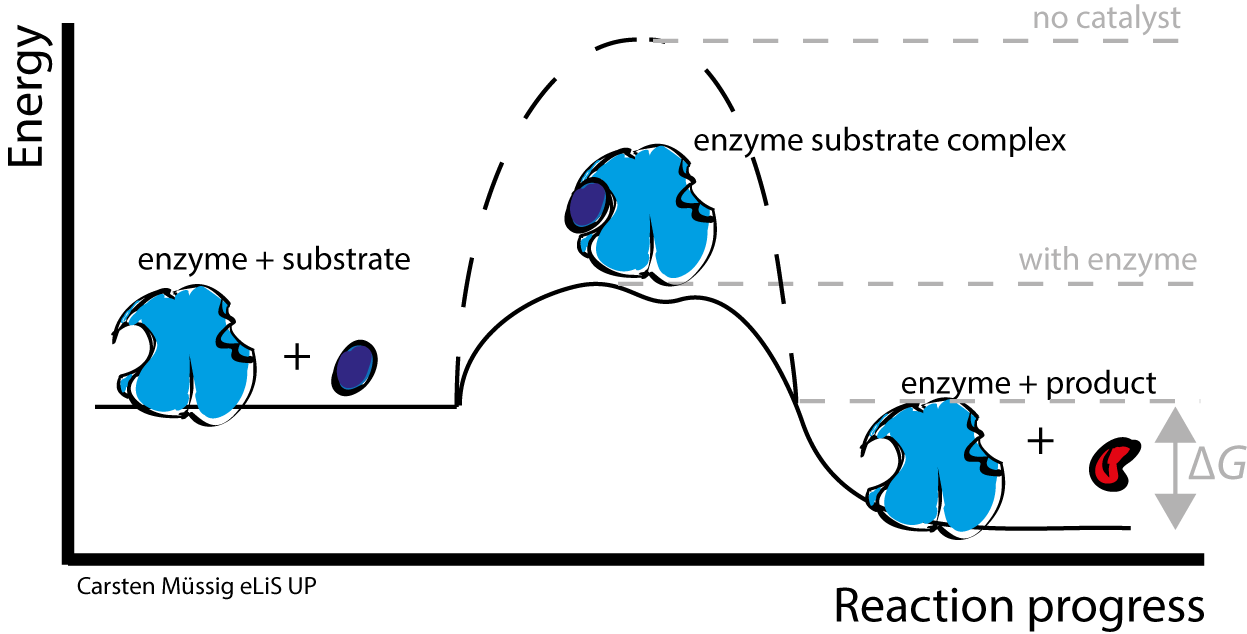
All enzymes are examples of organic molecules known as
proteins
carbohydrates
lipids
nucleic acids
What type of molecules is used for the synthesis of an enzyme?
amino acids
fatty acids
monosaccharide
glycerol
Which is characteristic of an enzyme?
it is not organic
it is destroyed after each chemical reaction
it provides energy by losing a phosphate
it increases the reaction rate of a chemical reaction
Which statement about enzymes is NOT correct
enzymes are composed of polypeptide chains
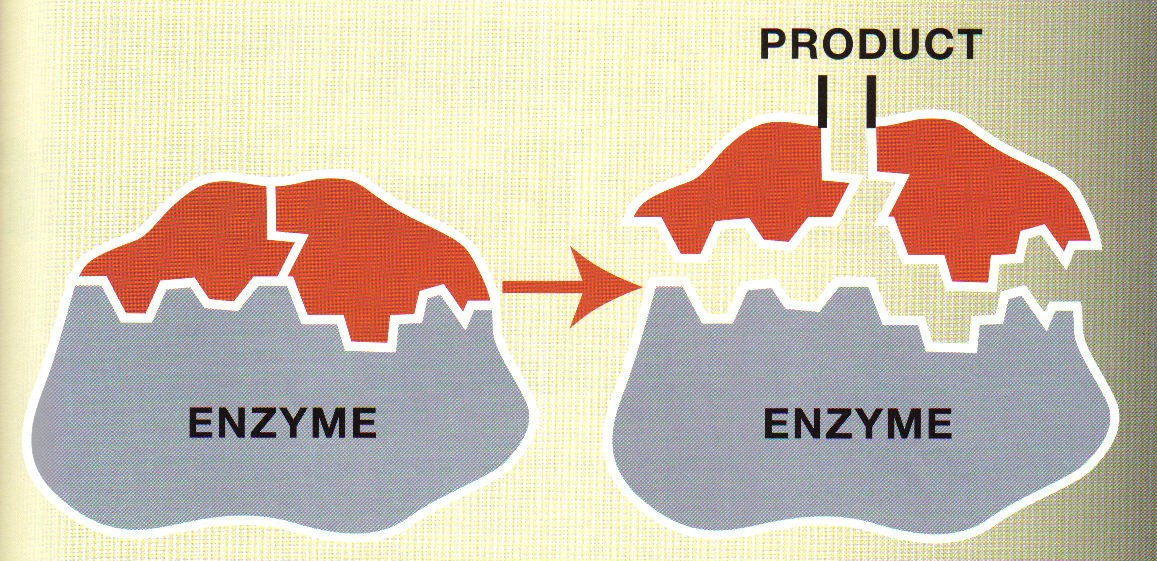
enzymes bond temporarily with substrates
enzymes are destroyed when they are used and must be synthesized for each reaction
enzymes are specific because of their shape and catalyze only certain reactions
A student placed a test tube containing a mixture of compounds into a beaker of water maintained at 30 ℃. A chemical reaction took place and was completed in 30 minutes. A second test tube containing the same mixture plus a new substance “Y” was placed into the same beaker. The chemical reaction in that second tube was completed much faster, in less than 1 minute. Substance Y is probably
A phospholipid
An enzyme
A sugar
A nucleotide
Which statement about enzyme-controlled reactions is NOT correct
An enzyme performs its catalyzing action when it binds to its substrate
an enzyme and its substrate form a close physical bond
an enzyme can combine with any molecule at its active site
an enzyme can catalyze multiple substrates because they are recyclable
Maltase is an enzyme that is NOT able to catalyze the breakdown of lactose because maltase
has a specifically shaped active site
is a small molecule that is nonpolar
cannot attach to ribosomes floating in the cytoplasm
is a simple sugar

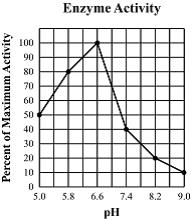
Urease is most effective at a pH of
5
7
9
11
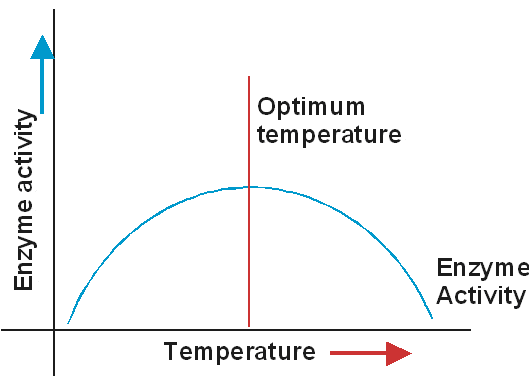
The distortion (change in shape) of enzyme molecules which occurs at high temperatures is known as
Synthesis
Specificity
Replication
Denaturation

Under which conditions is enzyme A most effective?
At 40℃ and a pH of 5
At 45℃ and a pH of 5
At 45℃ and a pH of 9
At 50℃ and a pH of 9

If enzyme C is functioning at 25℃ and a pH of 7, under which condition would the rate of enzyme action probably increase?
The temperature is decreased to 22℃ and the pH is kept the same
The temperature is increased to 30℃ and the pH is increased to 8
The temperature is kept the same and the pH is decreased to 6
The temperature is increased to 44℃ and the pH is kept the same

At what temperature would Enzyme D most likely be denatured?
15℃
20℃
25℃
39℃

A molecule was analyzed to see which elements it contained. According to this data, which type of macromolecule is it?
carbohydate
lipid
protein
nucleic acid
which compound contains only the elements carbon, hydrogen, and oxygen?
insulin, a protein released by the pancreas
glucose, a simple sugar
hemoglobin, a protein in your blood that carries oxygen
adenine, one of the four nucleotides found in DNA
If you start running a mile, what macromolecule will be "burned" first for energy?
Carbohydrates
Proteins
Lipids
Nucleics
When will lipids in your body be used as fuel or energy?
After carbohydrates have been burned
After proteins and carbohydrates have been burned
Before any other macromolecule is burned
Lipids are the last to be used as fuel, after DNA
What is the monomer of a carbohydrate?
Monosaccharide
Phospholipid
Nucleotide
Amino acids
What is the function of a nucleic acid?
Insulating the body from the cold
Storing genetic information
To store short term energy
Make up our muscles
In order to be called "organic" a molecule must
be from a local farm
contain carbon
contain cesium
be raised without pesticides or fertilizers
Choose ALL of the following that are functions (jobs) of lipids
Cushions our organs
Provides long term energy
Transports things in the cell
Makes hormones
Insulates you from the cold

